Food security and climate resilience rely on simple, workable solutions such as pulses, which improve soils, diversify diets, strengthen farmer incomes, and reduce vulnerability to climate shocks.
In India, across eastern states like Odisha, nearly 2 million hectares of land remain fallow after the rice harvest, despite residual soil moisture and farmers ready to resume farming. ICARDA’s pulses research addresses this gap by strengthening existing farming systems to help farmers make productive use of the soil after rice.
Turning fallow fields into productive seasons
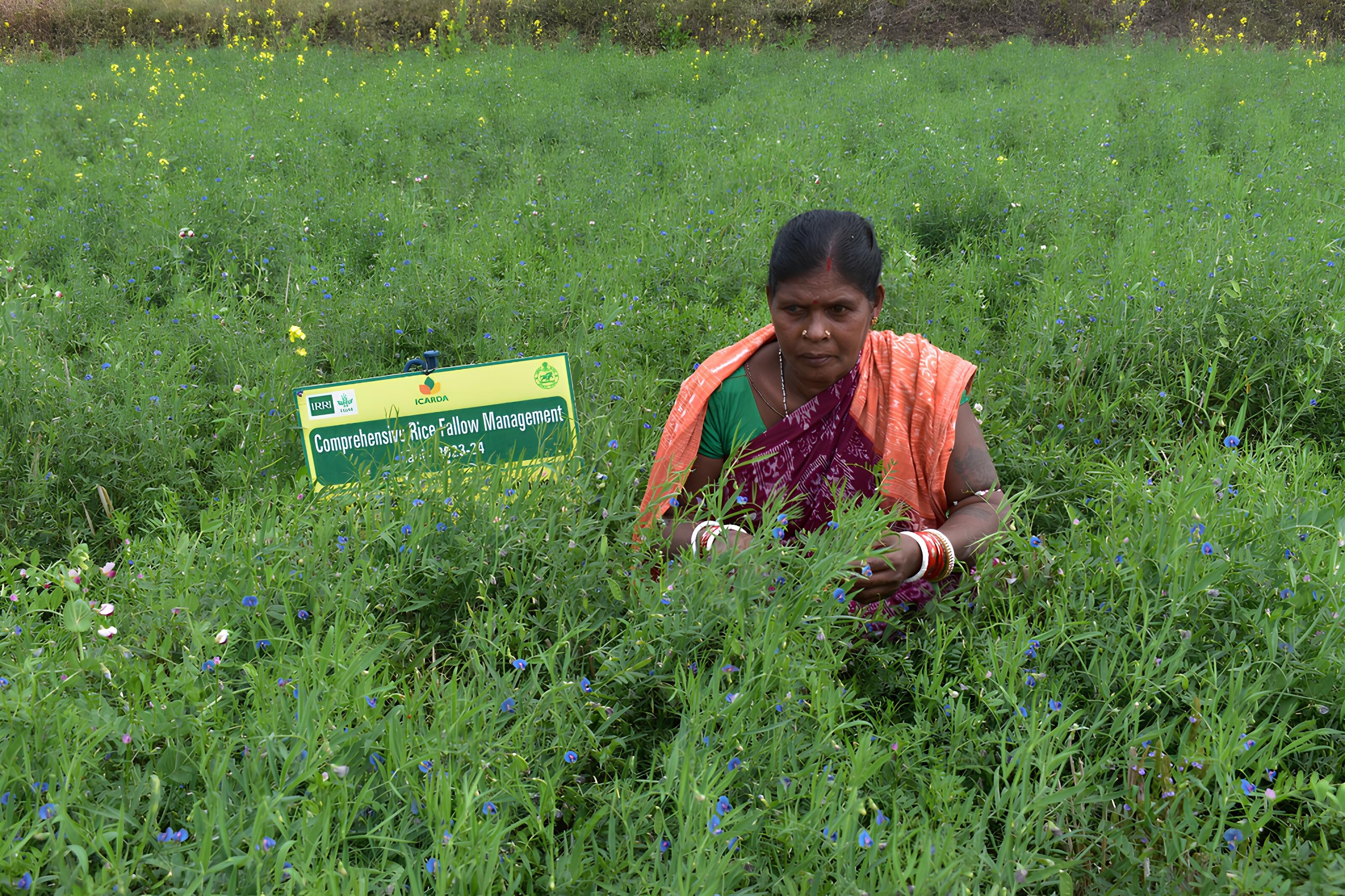
Farmer in an ICARDA grasspea trial field
Pulses are uniquely suited to rice-fallow systems, as they require less water, enrich soils through nitrogen fixation, and fit neatly into the narrow window between rice harvest and the next planting cycle. For smallholder farmers facing rising costs and climate uncertainty, pulses are an answer.
Through the Comprehensive Rice Fallow Management (CRFM) program, implemented with the Government of Odisha’s Department of Agriculture & Farmers’ Empowerment, ICARDA helped turn rice fallows into productive pulse- and oilseed-based systems. The program’s approach was deliberately practical, including improved varieties adapted to local conditions, access to quality seed, hands-on training, and support that extended beyond production to markets.
Between 2023 and 2025, the program reached more than 4,200 villages across six districts. More than 71,000 hectares of rice fallow land were brought under cultivation, benefiting nearly 114,000 farmers. Thirty-four improved varieties were introduced across pulses and oilseeds, supported by extensive training and farmer field days, with women making up one-third of participants. For many of the participating farmers, this was their first experience of farming through the Rabi season.
From subsistence to surplus
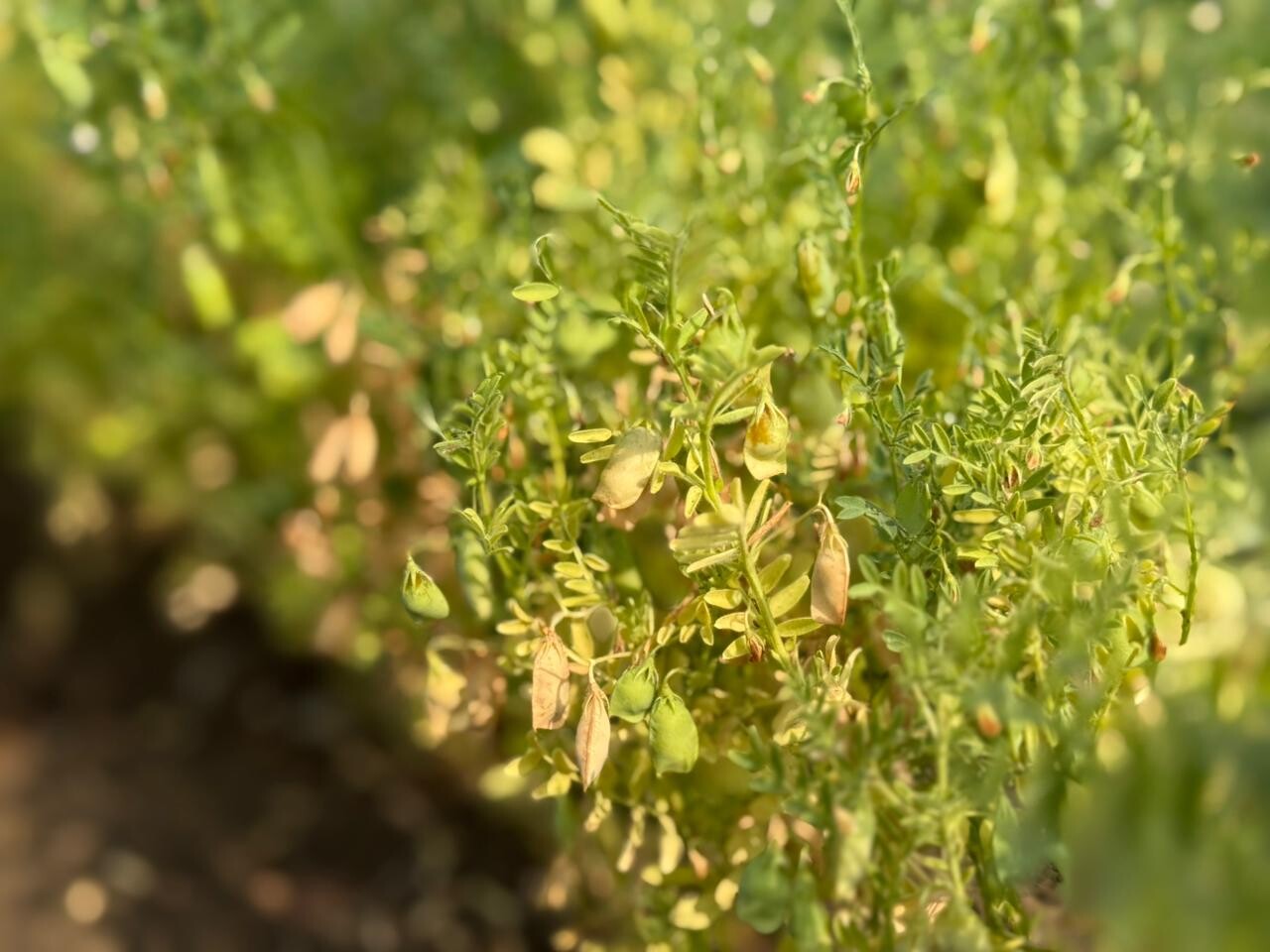
Lentil
More than 80 percent of the pulses produced under CRFM entered local markets, generating income while still supporting household consumption and seed saving for the next season. Producer groups strengthened market access, and pulses began to function as a reliable source of cash income during a season that had previously delivered none.
“I’ve been growing lentils for over ten years, but using traditional methods, my yields were always low,” said Mr. Kanturu Majhi, a farmer participating in the program. “With ICARDA’s support, I started using quality seeds, proper seed treatment, fertilizers, and pest management. From just one hectare, I harvested 6.8 quintals of lentils and sold them at ₹85 (US$ 0.94) per kilo, earning ₹55,250 (US$ 613). That income helped me invest in my children’s education, cover household needs, and repair my farm assets. What ICARDA taught me about improved practices and proper packaging has really changed things for me.”
Aligning research, policy, and practice
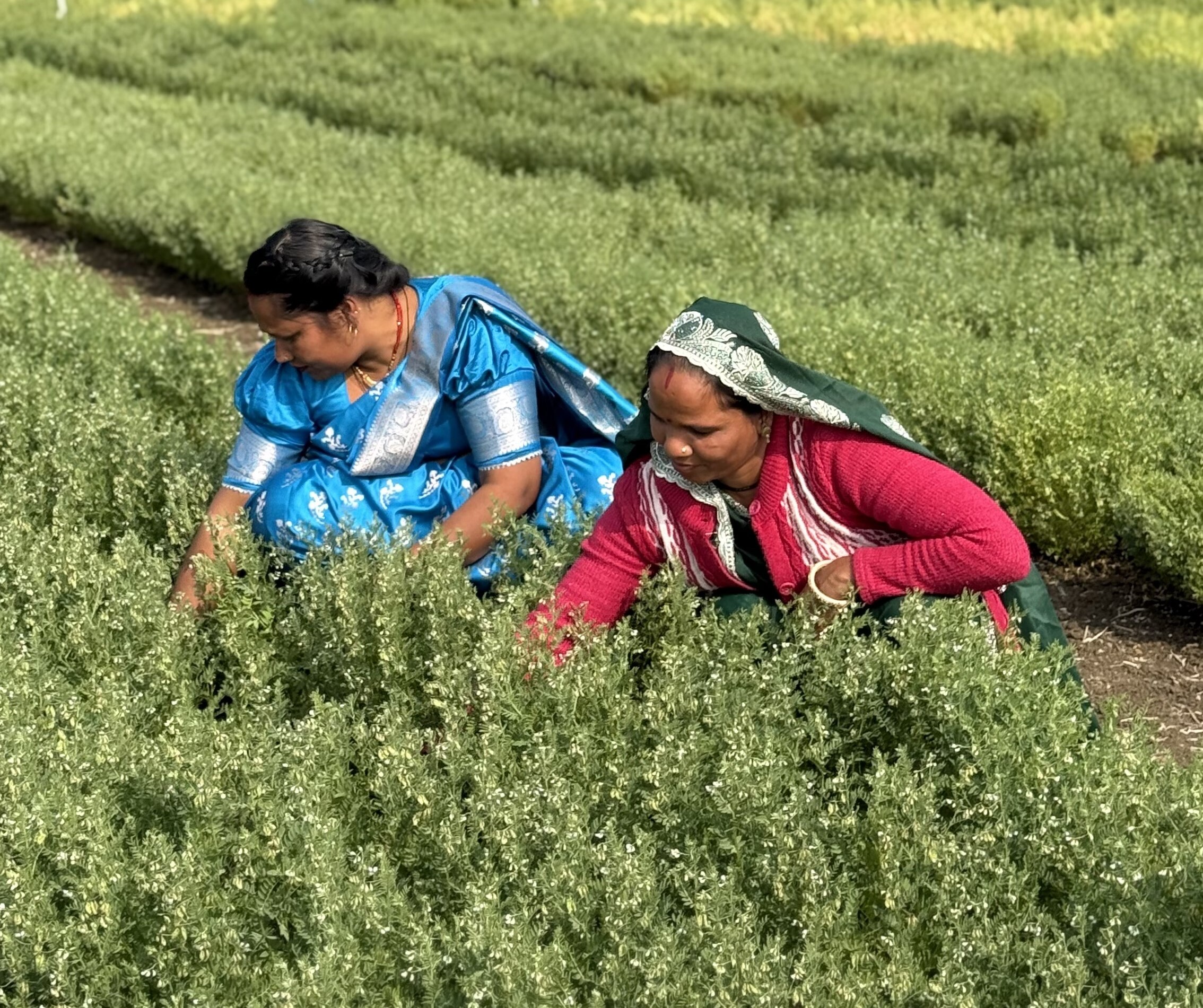
Women farmers on an ICARDA field at the FLRP in Amlaha
India’s focus on pulse production reflects a broader shift toward resilience and self-sufficiency, grounded in better use of land, seasons, and farmers’ knowledge. Recent investments in pulse research and advanced facilities that bring science closer to farmers’ fields, such as the Food Legume Research Platform, reinforce this direction. Along with field-based initiatives like CRFM, they demonstrate how research, extension, and policy can work in concert to deliver results at scale.
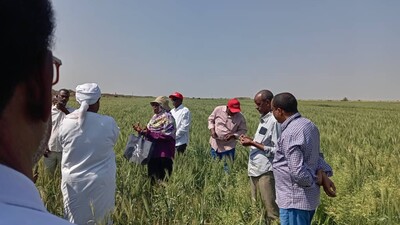
On February 16, 2026, under the African Development Bank (AfDB)’s Technologies for African Agricultural Transformation II (TAATII) Wheat Compact, ICARDA co-organized a field day...
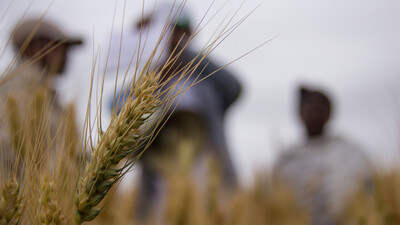
ICARDA and EIAR transformed Ethiopia’s wheat sector by accelerating the adoption of rust-resistant varieties, expanding early-generation seed systems, and scaling irrigated production nationwide.
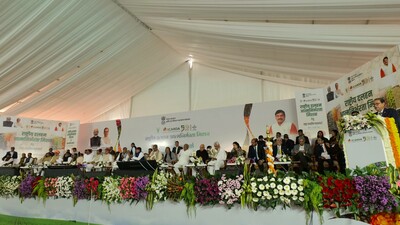
ICARDA inaugurated the newly developed facilities of its Food Legume Research Platform (FLRP) in Amlaha, near Sehore, Madhya Pradesh, reinforcing India’s leadership in pulse research.