Eco-Friendly Solutions to Combat Cactus Cochineal in Morocco and beyond

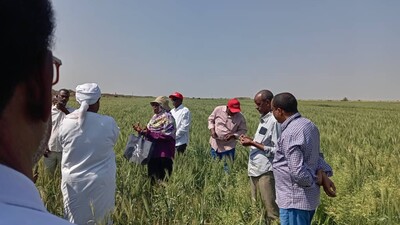
On 12 December 2025, ICARDA hosted the Launch of the Eco-Friendly Cochineal Management Project in Morocco in Rabat. The workshop brought together 20 participants from different institutions, including research organizations, extension services, cooperatives and NGOs partners, underscoring the strong multi-stakeholder commitment to protecting cactus production systems.
Cactus is a key commodity for Rural Resilience in dry areas
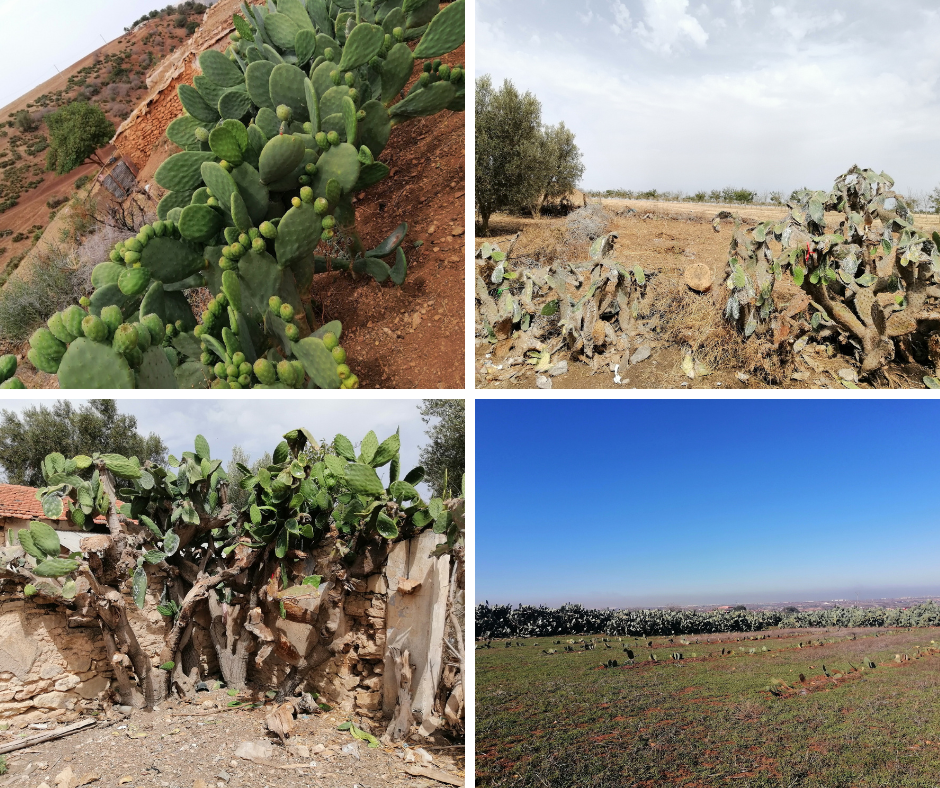
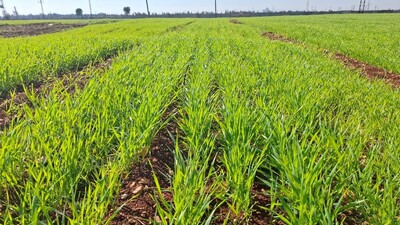
Cactus plays a strategic role in Morocco and other countries with dryland agriculture, supporting rural livelihoods, livestock feed, climate resilience, and ecosystem services. However, the invasive cactus cochineal (Dactylopius opuntiae) continues to pose a serious threat, particularly in marginal and arid areas where alternative crops are limited. The workshop aimed to align stakeholders around science-based, eco-friendly, and scalable solutions, while strengthening cooperation between Moroccan institutions, ICARDA, and the Spanish Embassy/ Spanish Agency for International Development Cooperation (AECID).
Stakeholder Commitments
Opening remarks underscored the importance of collaboration and innovation in addressing shared agricultural challenges. ICARDA highlighted the need for integrated approaches that link research, development, and extension to ensure solutions reach farmers effectively. AECID reaffirmed Spain’s commitment to supporting sustainable agricultural practices and strengthening Moroccan–Spanish scientific cooperation. L’Office National du Conseil Agricole (ONCA) emphasized its national mandate to support farmers, promote sustainable cactus cultivation, and implement national agricultural strategies, while also acknowledging the operational challenges posed by the rapid spread of cochinea.
From Research to Field-Level Solutions
Technical sessions showcased promising eco-friendly management options, including essential oils, entomopathogenic fungi, plant extracts, and the effective use of black soap under field conditions. Participants emphasized that no single solution is sufficient, and that Integrated Pest Management (IPM) combining resistant varieties, biological control, cultural practices, and limited chemical use where necessary—is essential.
Experiences shared by the Dar Si Hmad Foundation demonstrated the value of community-based, pesticide-free approaches, particularly in areas such as Sidi Ifni, where cactus supports both farmer incomes (up to 60%) and apiculture. Cactus cooperatives highlighted the cultural and economic importance of local varieties and the challenges they face in adopting sustainable practices.
Knowledge Sharing and Innovation
Platforms such as the “Universidad Itinerante” WhatsApp group illustrated how digital tools can enhance knowledge exchange among farmers, researchers, and practitioners across regions where cactus is an important crop. These networks emerge as powerful mechanisms for disseminating practical solutions and lessons learned.
Breeding for the Future
ICARDA’s cactus breeding program presented advances in developing cochineal-resistant varieties, while addressing the complexity of cactus genetics. The integration of cactus improvement into ICARDA’s 2023 Research-for-Development Strategy reflects a long-term commitment to sustainable dryland agriculture.
The workshop concluded with a shared commitment to continue collaboration beyond the meeting, leveraging the strengths of ICARDA, AECID, national institutions, and local partners to protect cactus production systems and the livelihoods that depend on them.
By fostering science-based partnerships and eco-friendly innovation, the project marks an important step toward resilient, sustainable cactus production in Morocco and similar dryland regions.