From Rust Threat to Wheat Expansion in Ethiopia

Stem rust Ug99, a fungal disease that attacks wheat, poses a serious threat to global food security. When left uncontrolled, it can cause farmers to lose 70% to 100% of their harvest, and with it, their incomes. In response to this threat, Ethiopia moved quickly to strengthen its wheat systems.
In partnership with the Ethiopian Institute of Agricultural Research (EIAR), ICARDA accelerated the development of rust-resistant varieties and expanded seed multiplication, laying the foundation for irrigated wheat production to grow from under 5,000 hectares in 2019 to 1.3 million hectares by 2022. Wheat production continues to scale nationwide.
Efforts to enhance irrigated wheat production in Ethiopia began in the early 1970s, leading to the development and release of improved wheat varieties and production technologies. After more than two decades of limited activity, irrigated wheat research resumed in the late 2000s with the release of the Werer variety, developed from ICARDA’s breeding materials.
During the same decade, the emergence and detection of stem rust race Ug99 in Ethiopia, a pathogen threatening wheat production not only in East Africa, but across the Middle East and Asia as well, triggered interest in rapid seed production and irrigated wheat production. With potential yield losses estimated at approximately 40% in Ethiopia and up to 71% in Kenya, many widely grown cultivars were found to be highly susceptible.
Accelerating Rust-Resistant Seed Production
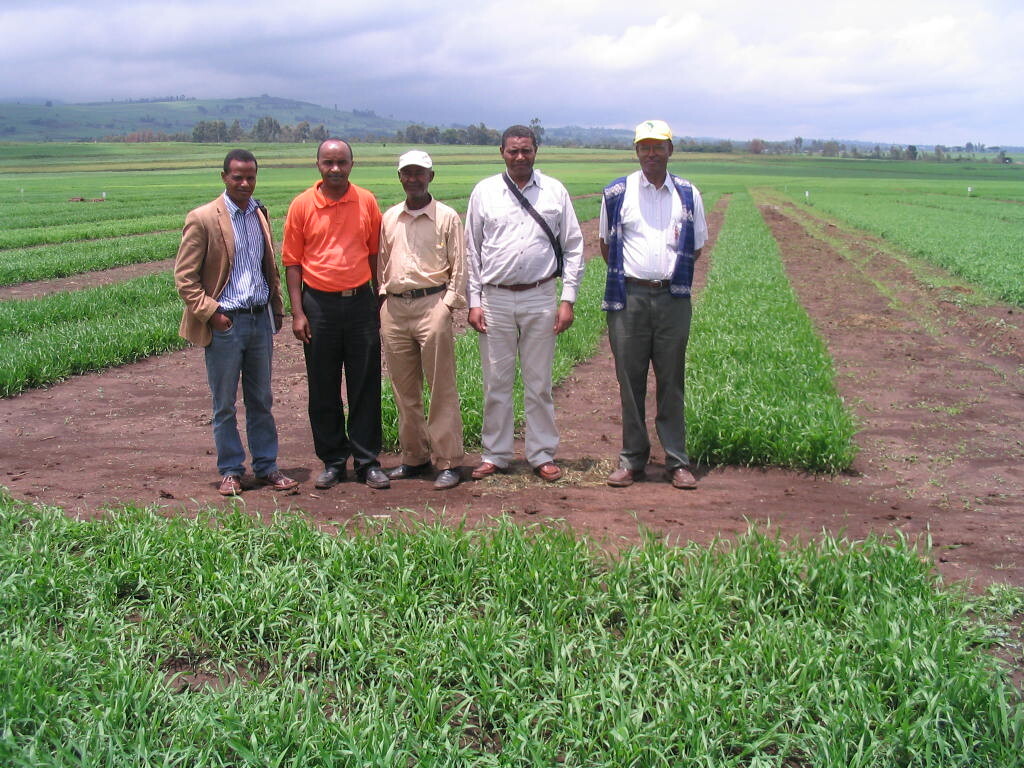
ICARDA, in close partnership with EIAR, adopted a strategic approach to fast-track the release of resistant varieties and accelerate seed production to ensure seed availability to quickly replace susceptible varieties.
In 2007, pre-release off-season Early Generation Seeds (EGS) production began at EIAR’s Melkasa Agriculture Research Center. One promising resistant variety was released, and approximately 20 tons of seed were produced and distributed. However, the quickly evolving disease underscored the need for more durable resistance and a faster, more responsive seed system.
Efforts to fast-track the release of new resistant varieties and their seed multiplication accelerated. ICARDA and sister CGIAR center, the International Maize and Wheat Improvement Center (CIMMYT), introduced Ug99-resistant bread wheat germplasm and tested it for release alongside expanded pre- and post-release EGS production across EIAR research centers during the main and off seasons.
By 2010, the two centers’ coordinated activities included:
Screening elite lines for stem rust resistance during the off-season.
Multi-location testing and seed multiplication during the main season.
Pre-release EGS multiplication under irrigated lowland conditions.
With support from the U.S. Department of Agriculture’s (USDA) Famine Fund project implemented by ICARDA, 133.3 tons of EGS were produced at the Werer Agricultural Research Center (WARC), a milestone for Ethiopia’s irrigated wheat sector. Of this, 72 tons of EGS were distributed to public seed enterprises, state farms, and development partners for further multiplication and commercialization. These combined efforts led to the release of three new wheat varieties: two adapted to rainfed highlands and one suited to irrigated lowlands.
From Pilot Efforts to National Expansion
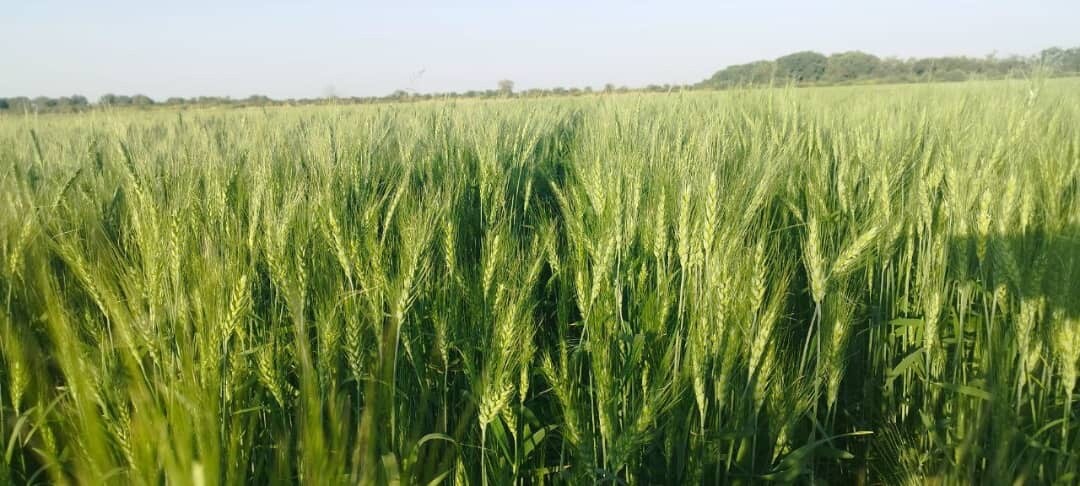
Through further initiatives such as the Deployment of Rust-Resistant Varieties project, supported by the U.S. Agency for International Development (USAID), and Support for Agricultural Research and Development of Strategic Crops (SARD-SC), Technologies for African Agricultural Transformation (TAATI), and (TAATII), supported by the African Development Bank (AfDB), ICARDA, and EIAR have continued scaling climate-resilient varieties, strengthening seed systems, and promoting improved agronomic practices.
Irrigated wheat production expanded from fewer than 5,000 hectares in 2019 to 21,000 hectares in 2020. By the 2022 cropping season, it had reached approximately 1.3 million hectares. Production has since extended into lowland areas and short rainy seasons where irrigation is available and feasible.
Strengthening the Wheat Value Chain
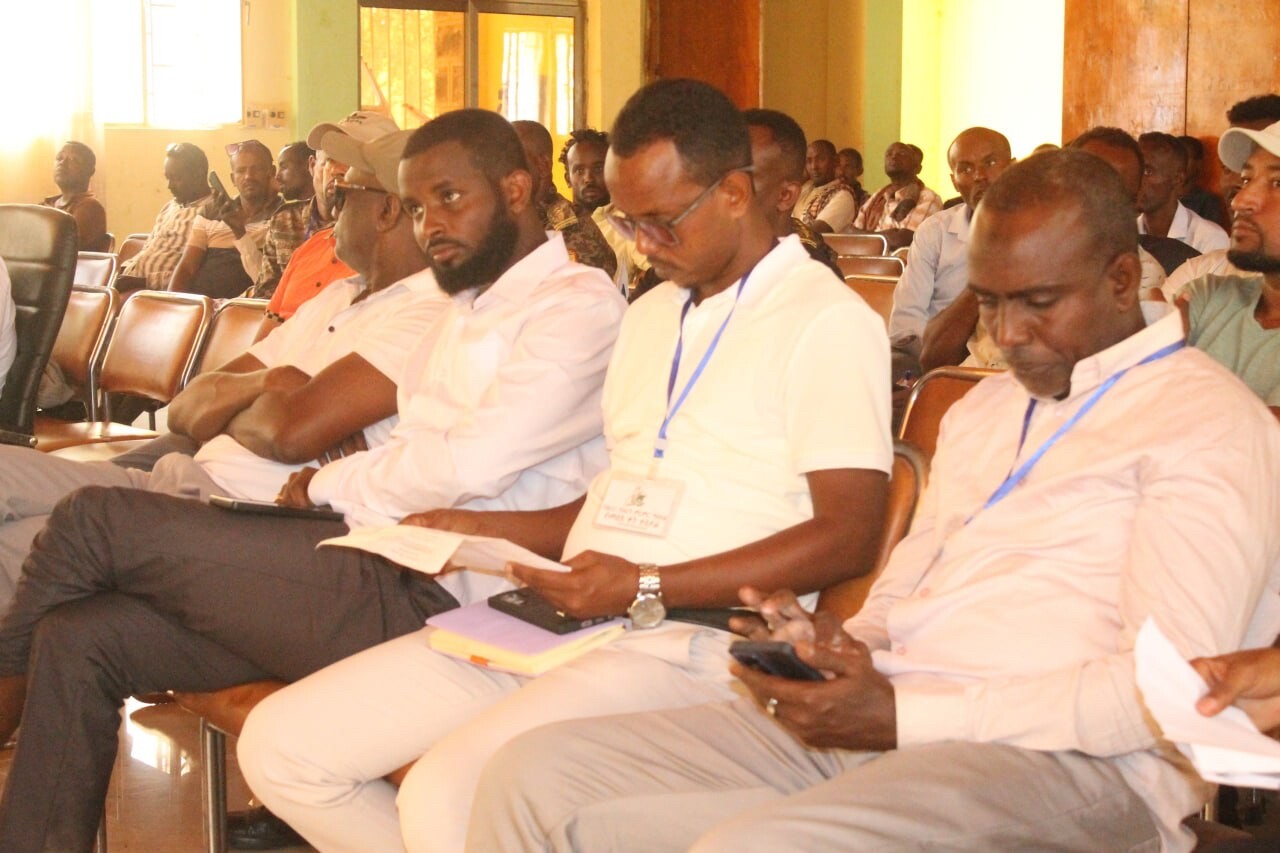
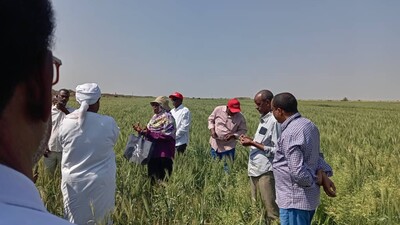
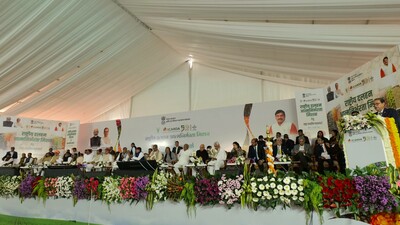
On February 10, 2026, 87 stakeholders from across the wheat value chain gathered once again at WARC in Afar Regional State for a TAATII Wheat Field Day. Farmers, researchers, seed enterprises, development partners, and regional authorities reviewed progress, shared feedback, and discussed priorities for continued expansion.
ICARDA continues to champion wheat production in Ethiopia through successive projects like SARD-SC, TAATI, and now TAATII. Activities include:
Fast-tracking the development and release of climate-resilient varieties.
Strengthening early generation seed production in collaboration with national research systems.
Supporting certified and quality-declared seed production by public and private seed enterprises.
Operationalizing innovation platforms linking farmers, researchers, seed companies, and policymakers.
Promoting Good Agricultural Practices (GAP) and enhancing productivity and wheat value addition to create employment opportunities, particularly for women and youth.
Sustaining Growth
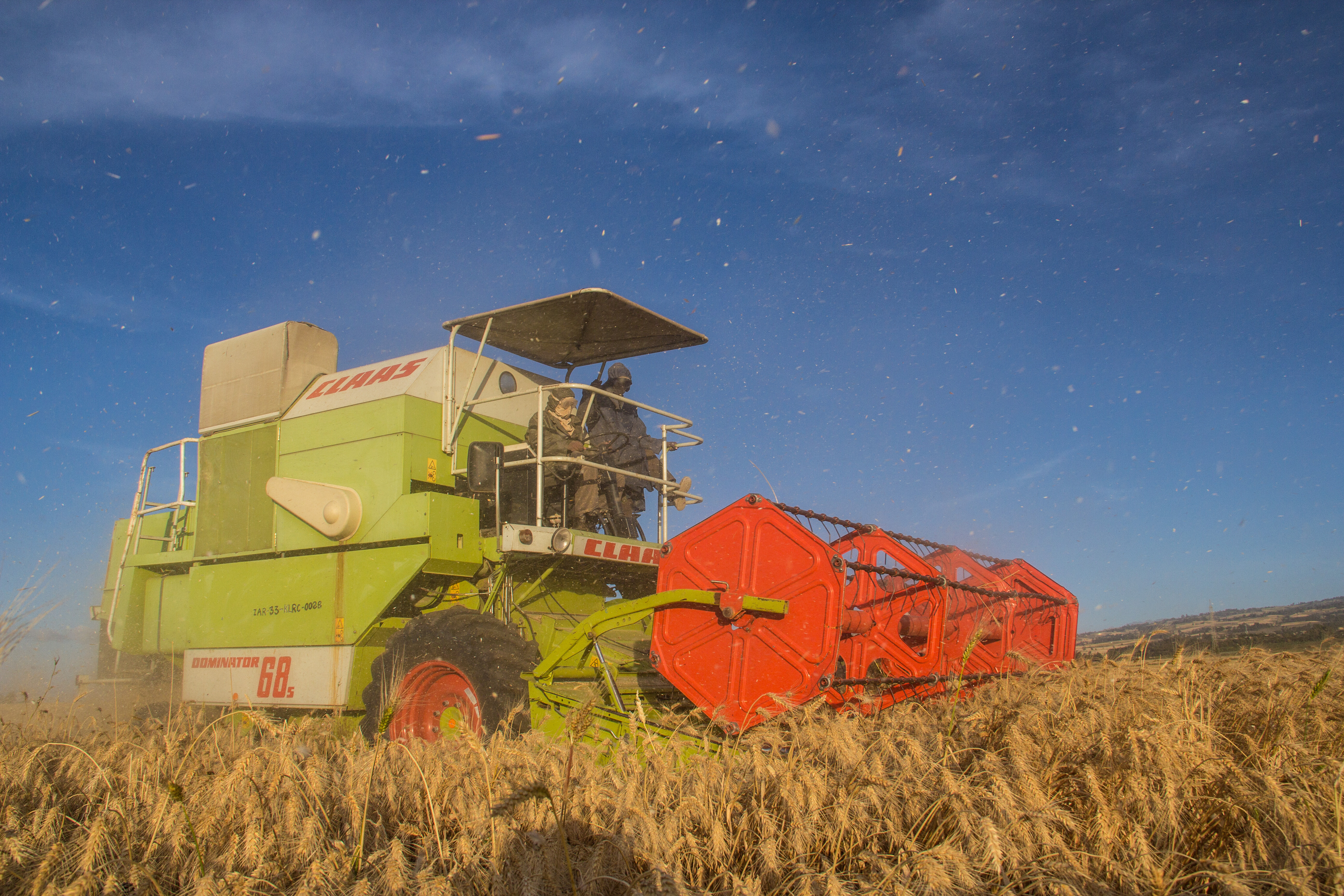
Ethiopia’s lowland irrigated wheat systems hold significant potential to strengthen food security and reduce dependence on imports. Sustaining gains will depend on effective water management, soil health, and climate resilience. Through continued scientific innovation and partnership, ICARDA and national institutions are building a stronger, more resilient wheat sector for the future.