ICARDA Strengthens India’s Pulse Research with Inauguration of Food Legume Research Facilities
ICARDA Strengthens India’s Pulse Research with Inauguration of Food Legume Research Facilities
Date
February 07, 2026
Published by
ICARDA Communication Team
Category
News
Share
FLRP Inauguration - India - February 2026
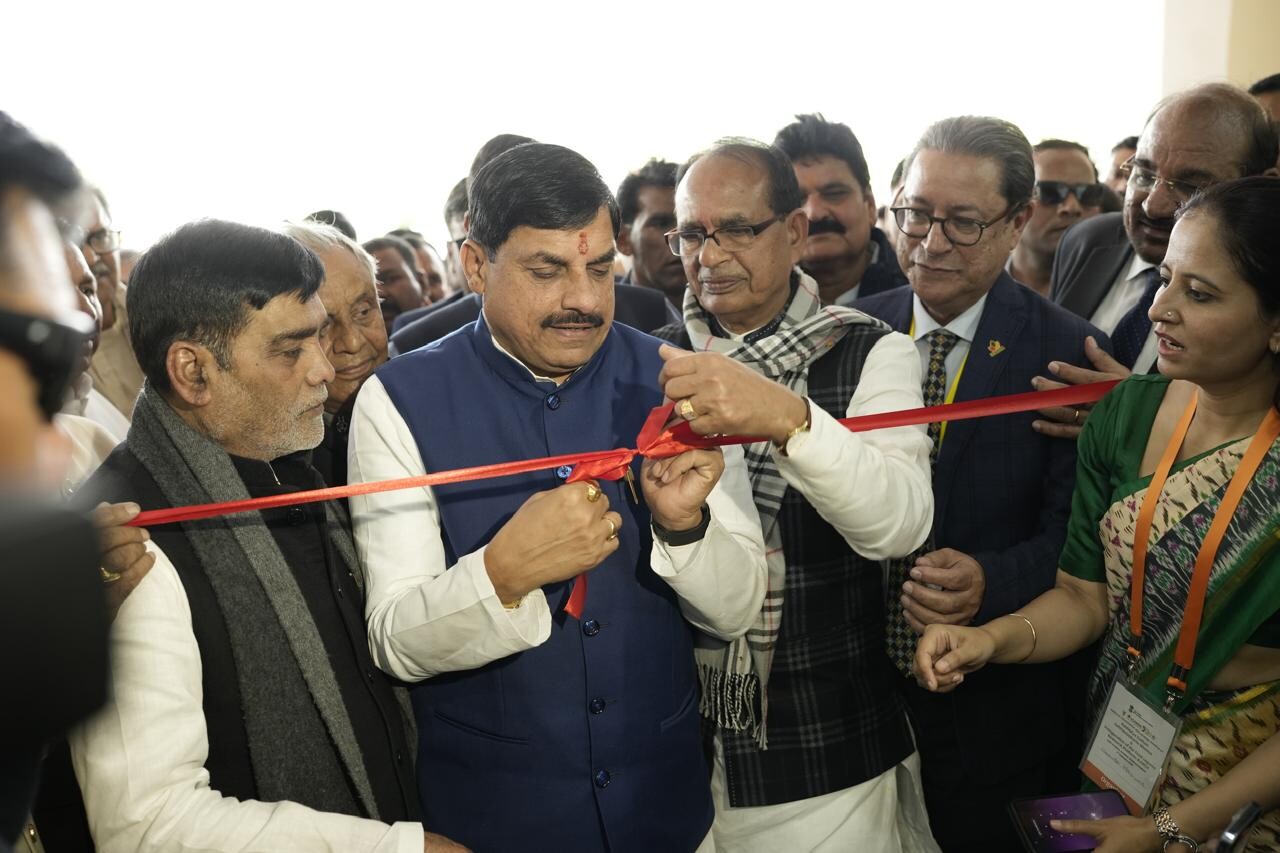
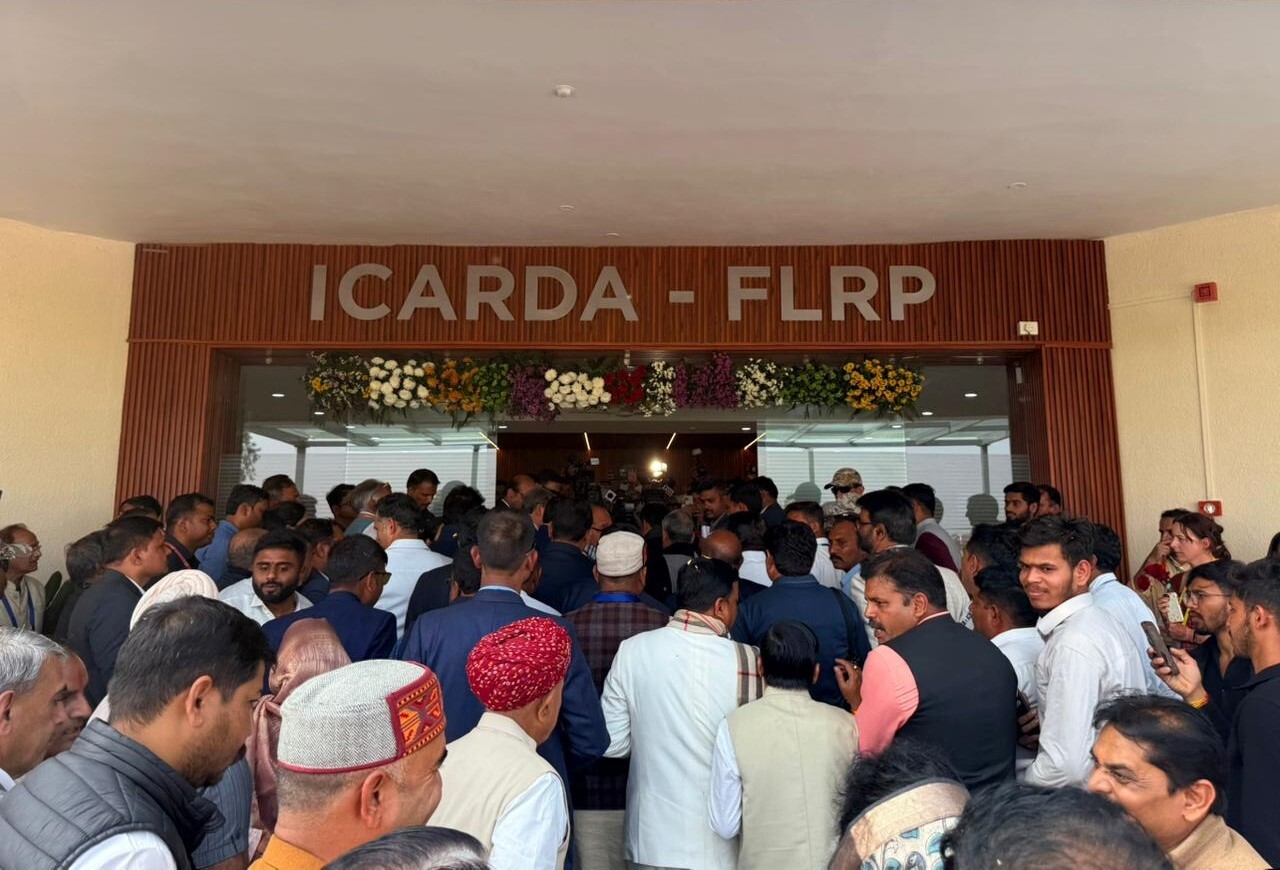
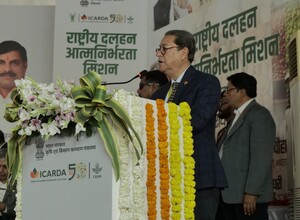
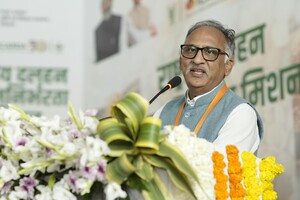
7 February 2026 | Amlaha, Madhya Pradesh, India – ICARDA inaugurated the newly developed facilities of its Food Legume Research Platform (FLRP) in Amlaha, near Sehore, Madhya Pradesh, reinforcing India’s leadership in pulse research and its long-standing partnership with international agricultural science to advance climate-resilient and nutrition-secure farming systems.
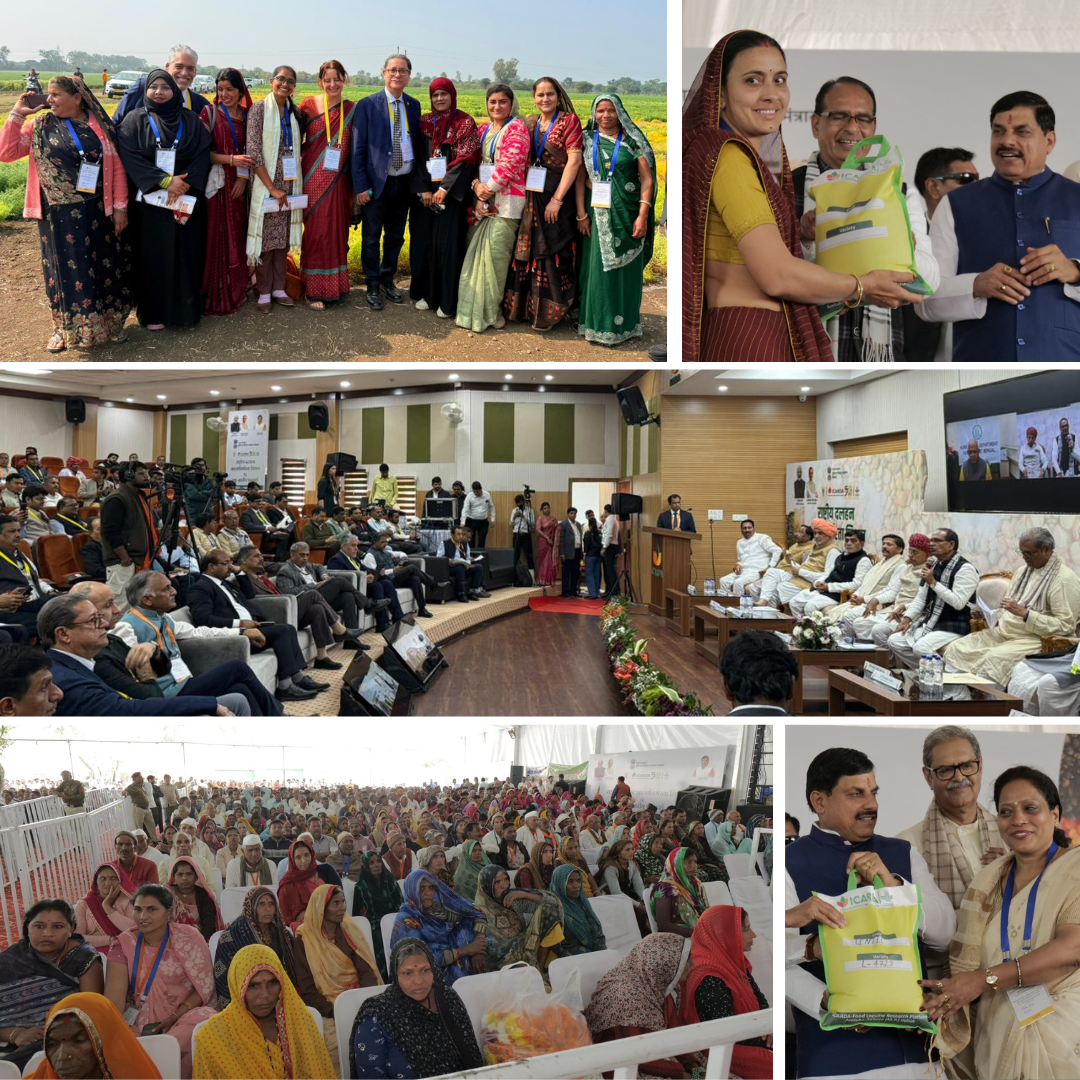
The inauguration was held in the presence of Mr. Shivraj Singh Chouhan, Hon’ble Union Minister of Agriculture and Farmers’ Welfare, Government of India; Dr. Mohan Yadav, Chief Minister of Madhya Pradesh; and Dr. M. L. Jat, Secretary, Department of Agricultural Research and Education (DARE) and Director General, Indian Council of Agricultural Research (ICAR). They were joined by Mr. Aly Abousabaa, Director General of ICARDA, alongside senior officials from the Ministry of Agriculture and Farmers’ Welfare, state governments, research institutions, development partners, scientists, and farmers.
“India has developed a self-reliant mindset. Our growing collaboration with international institutions such as ICARDA reflects India’s deepening engagement with the world, while keeping farmers at the center. Through this long-standing partnership, global science is translated into locally relevant solutions, reinforcing the confident forward march of New India.” - Mr. Shivraj Singh Chouhan, Hon’ble Union Minister of Agriculture and Farmers’ Welfare, Government of India
Building national scientific capacity for pulses
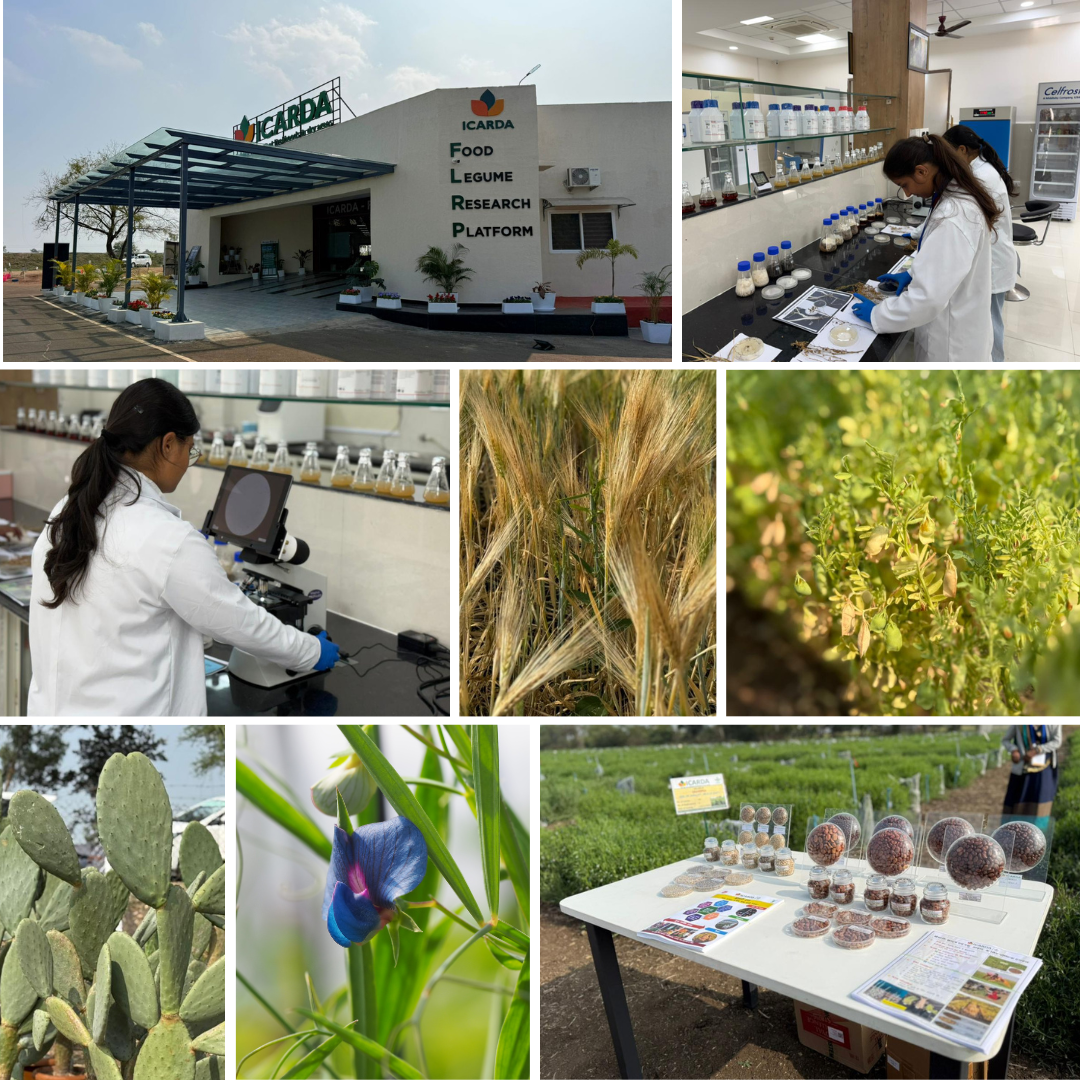
The newly inaugurated facilities comprise a modern administrative building, a dedicated farmers’ training center, and state-of-the-art laboratories for plant genomics, tissue culture, plant breeding, and plant pathology. Together, they significantly strengthen India’s domestic research infrastructure for food legumes, supporting faster varietal development, improved disease resistance, and climate-adaptive traits tailored to India’s diverse agro-ecologies.
Located in the heart of Madhya Pradesh, India’s leading pulse-producing state, the FLRP serves as a national hub for pulse research, while also contributing innovations that can be scaled across South Asia and other dryland regions.
A platform anchored in India, serving the region
Established with the support of the Government of India and granted United Nations status by the Union Cabinet, the FLRP reflects India’s strategic investment in agricultural science, food security, and rural livelihoods. Since its launch in Amlaha in 2014, the platform has become a cornerstone of ICARDA’s engagement in South Asia, working hand in hand with Indian institutions to address yield gaps, climate risks, and nutrition challenges.
“India is central to ICARDA’s global pulse research strategy. As the world’s largest consumer of pulses, India is where science must deliver at scale. The FLRP reflects our strong partnership with the Government of India and ICAR, transforming cutting-edge research into climate-resilient, high-yielding, and nutritious pulse varieties that strengthen farmer livelihoods in India, while generating solutions that benefit dryland regions worldwide.” – Mr. Aly Abousabaa, Director General, ICARDA
ICARDA’s work in India is built on close collaboration with the Indian Council of Agricultural Research (ICAR), the Ministry of Agriculture and Farmers’ Welfare, State Governments, and national agricultural universities, alongside international donors and development partners. Through these partnerships, global science is embedded within India’s research and extension systems, ensuring relevance, ownership, and scale.
Measurable impact in India
Through the FLRP, ICARDA and its partners in India address critical challenges across food and nutrition security, climate adaptation, sustainable farming systems, water and land productivity, livelihoods, and capacity development.
Since its establishment, the platform has delivered measurable results, including:
34 research and development projects implemented
USD 50 million mobilized in research investments
158 crop varieties released
Improved technologies deployed across 240,662 hectares
550,000 direct beneficiaries reached, including 34% women
15,000 capacity-development events delivered
520 scientific publications produced
The platform’s mandate crops, lentil, chickpea, grasspea, wheat, faba bean, barley, and cactus, align closely with India’s national priorities on pulses, dryland agriculture, and climate resilience.
Farmers at the center
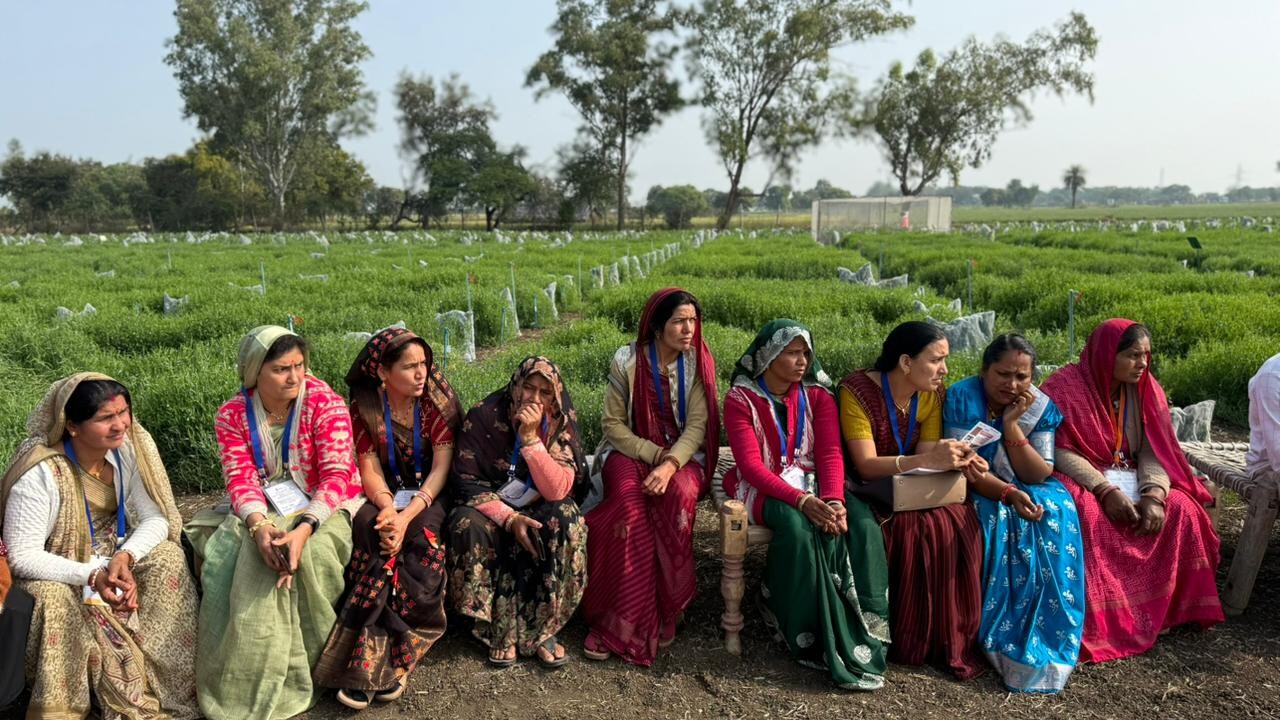
The inauguration was followed by a Farmers’ Day and a stakeholders’ meeting on the National Pulses Mission, bringing together farmers, scientists, and policymakers. The program featured farmer–scientist interactions, recognition of progressive farmers, seed distribution, and an exhibition showcasing improved varieties and technologies emerging from collaborative research.
“The FLRP shortens the distance between laboratories and farmers’ fields in India. By working closely with ICAR, State Governments, and farming communities, we ensure that advanced pulse research is rapidly translated into improved varieties, resilient farming systems, and real gains in productivity, incomes, and nutrition, particularly in India’s dryland regions.” – Dr. Shiv Kumar Agrawal, Head of the Food Legume Research Platform (FLRP) of ICARDA and Regional Coordinator of the ICARDA South Asia and China Regional Program
Through innovations such as optimized cropping systems, climate-resilient pulse varieties, sustainable water management, and the promotion of spineless cactus as a multi-purpose crop, the FLRP continues to translate research into tangible benefits for Indian farming communities.
The inauguration of the FLRP facilities underscores ICARDA’s enduring commitment to India, supporting nationally led science, strengthening partnerships, and ensuring that agricultural innovation delivers real impact where it matters most: on farmers’ fields.
On February 16, 2026, under the African Development Bank (AfDB)’s Technologies for African Agricultural Transformation II (TAATII) Wheat Compact, ICARDA co-organized a field day...
ICARDA and EIAR transformed Ethiopia’s wheat sector by accelerating the adoption of rust-resistant varieties, expanding early-generation seed systems, and scaling irrigated production nationwide.
On World Pulses Day 2026, ICARDA highlights how pulses are transforming rice-fallow systems in India—improving soils, boosting incomes, empowering women farmers, and strengthening climate resilience.