Improving Women’s Livelihoods through Water-Smart Post-Harvest Innovation

Water scarcity does not affect everyone equally. In rural drylands, women bear a disproportionate share of the burden, an inequality intensified by climate change. Yet they are also central to the solution. Women’s knowledge of managing scarce water resources is critical to adaptation, and supporting their role strengthens both households and food systems. Inclusive, gender-transformative approaches are essential for building resilient communities.
In the fertile but water-scarce corridors of Qena and Minya, Egypt, the success of a harvest has traditionally been measured by what leaves the field. But for rural women, the real challenge begins right after the produce is picked. Without adequate technologies to preserve freshness, a significant share of their produce, and the water invested in growing it, is lost to heat and spoilage.
This World Water Day 2026, an ICARDA-led initiative funded by the Government of Japan, shows how rural women in Egypt are improving water productivity through post-harvest innovation.
Plugging the Leak
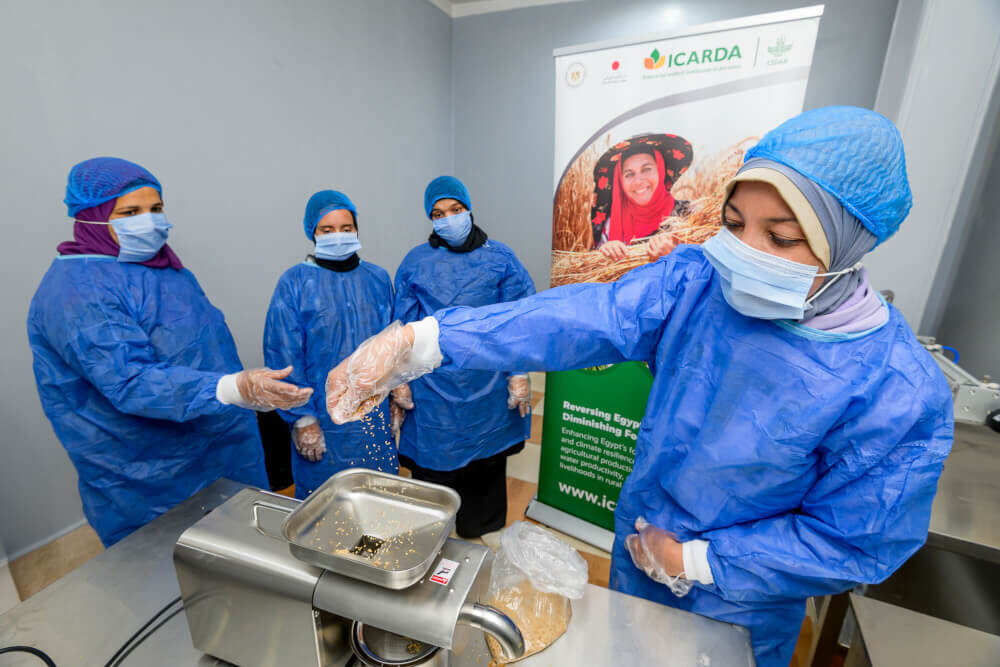
Through the “Reversing Egypt’s Diminishing Food Security” project, ICARDA introduced small-scale post-harvest processing units to local cooperatives and NGOs, including Al Karam for Integrated Development in Qena and the Agricultural Cooperative Association in Minya.
These units, equipped with co-designed hybrid solar dryers, vegetable slicers, grinders, and sesame oil extractors, enable women to process surplus produce, reduce post-harvest losses, and extend the shelf life of perishable crops.
The primary technical results show a clear improvement in marketable water productivity. For tomatoes, drying reduced post-harvest losses from 30% to 10%, increasing water productivity by 28%. Similarly, sesame oil extraction reduced losses from 15% to 5%, resulting in a 13% increase in water productivity.
Combined, these gains translated into an estimated 38% improvement in water productivity at the system level in Upper Egypt’s intensive cropping systems.
From Seasonal Labor to Skilled Enterprise
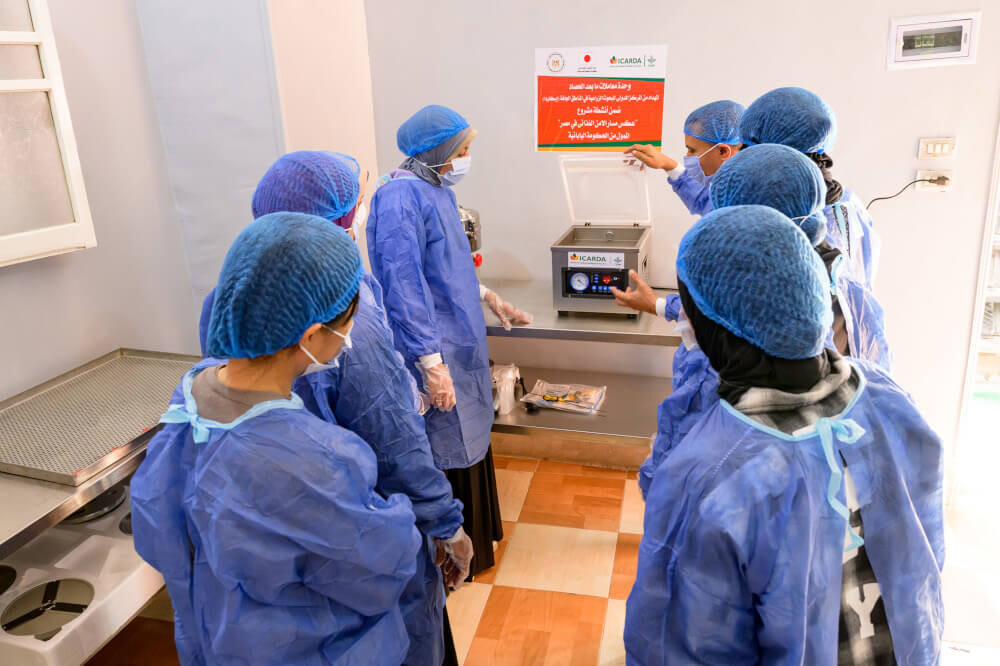
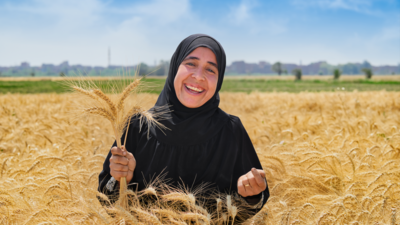
In Al Ashraf village, these units have fundamentally reshaped women’s day-to-day labor realities. What was once seasonal, low-paid labor with little security is steadily evolving into skilled, income-generating work.
Through hands-on training, women farmers have learned the techniques of hybrid solar drying and mechanical extraction. Now, rather than selling their fresh tomatoes at a loss during market gluts, they produce high-quality dried tomato flakes and premium sesame oil.
The strategic shift from producers of raw crops to small-scale processors has not only increased household incomes but also reduced food waste that previously squandered both water and effort.
Impact Beyond Income
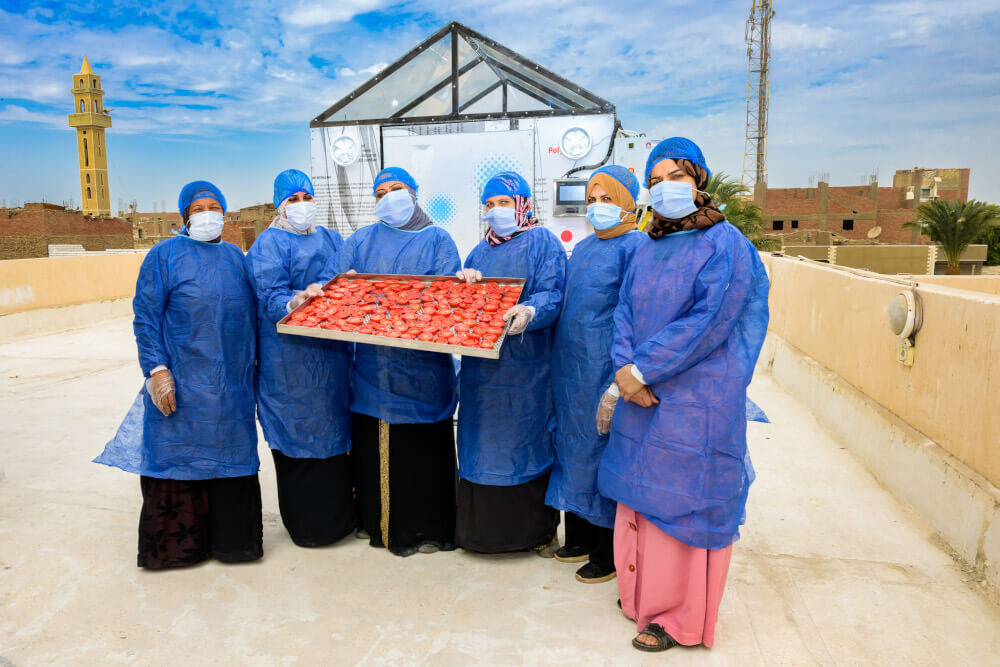
The social impact is as significant as the economic gains. In rural Upper Egypt, access to income-generating opportunities for women remains limited, but these community-level units have provided safe, local spaces for women to work, build skills, and take on leadership roles.
"These tools are helping us create jobs that fit our community’s needs while giving us a seat at the table," ~ Representative from the local NGO in Qena.
As women process and package their products, they are not just improving their livelihoods, but also strengthening the resilience of entire food systems in the face of rising prices and climate pressures.
Women-led post-harvest initiatives in Egypt’s dryland farming systems hold significant potential to increase water productivity and strengthen food security. Sustaining these gains will depend on continued investment in local capacity and community ownership.
Through ongoing innovation and partnerships with cooperatives, NGOs, and the Egyptian Ministry of Water Resources and Irrigation, ICARDA is supporting women in building a more resilient and sustainable agricultural future.