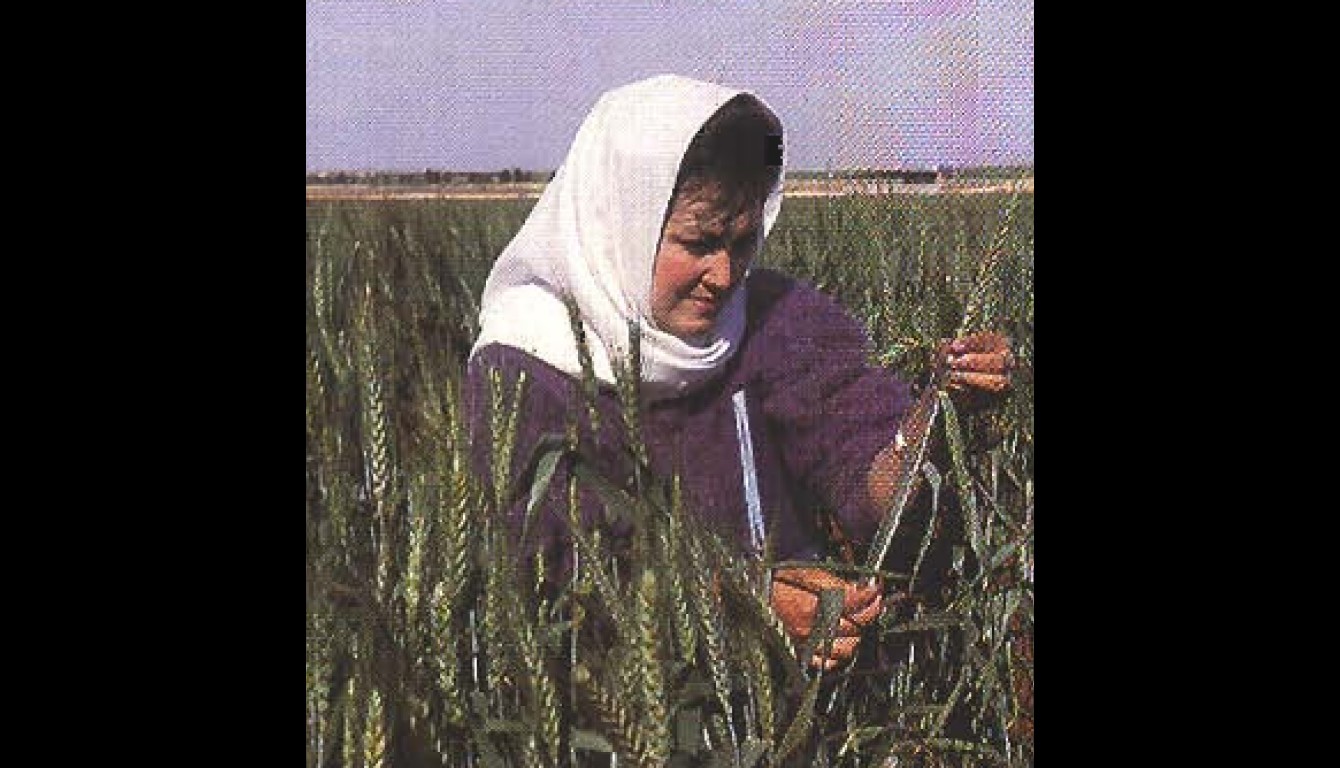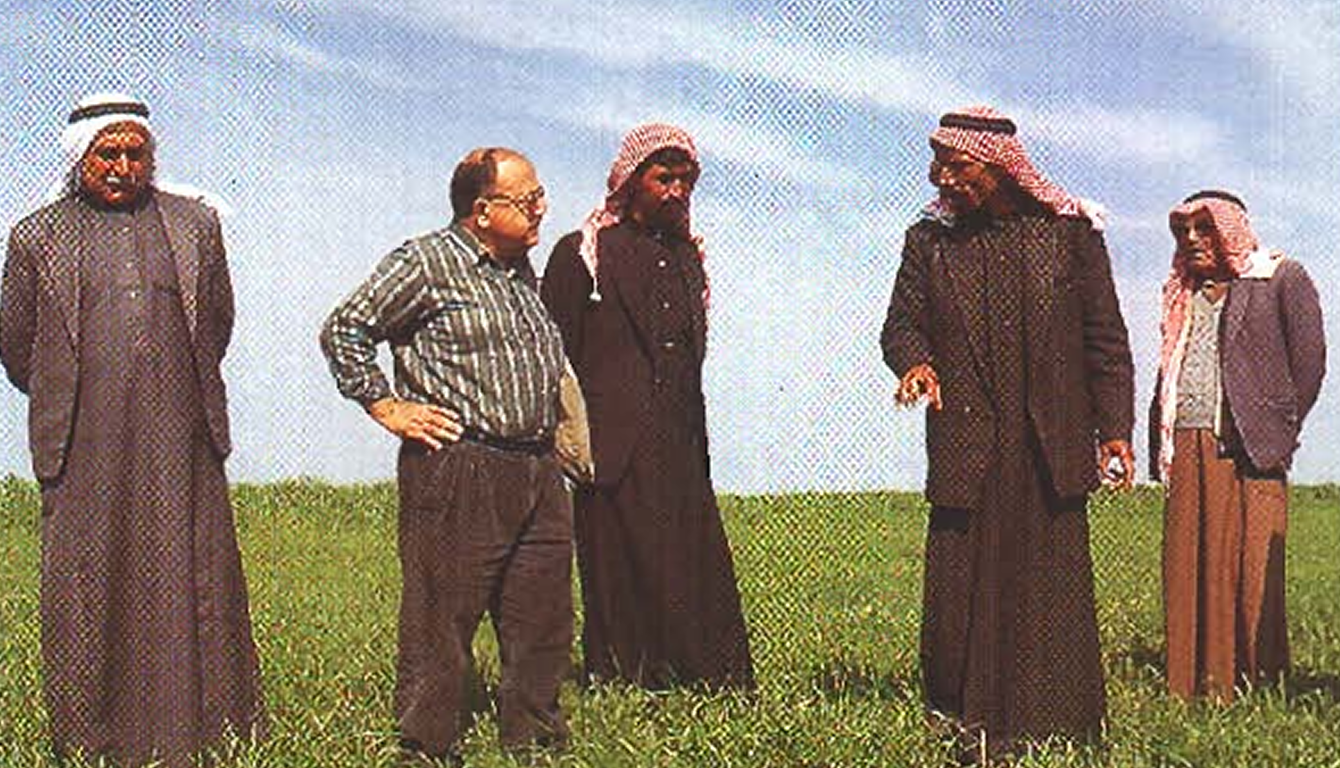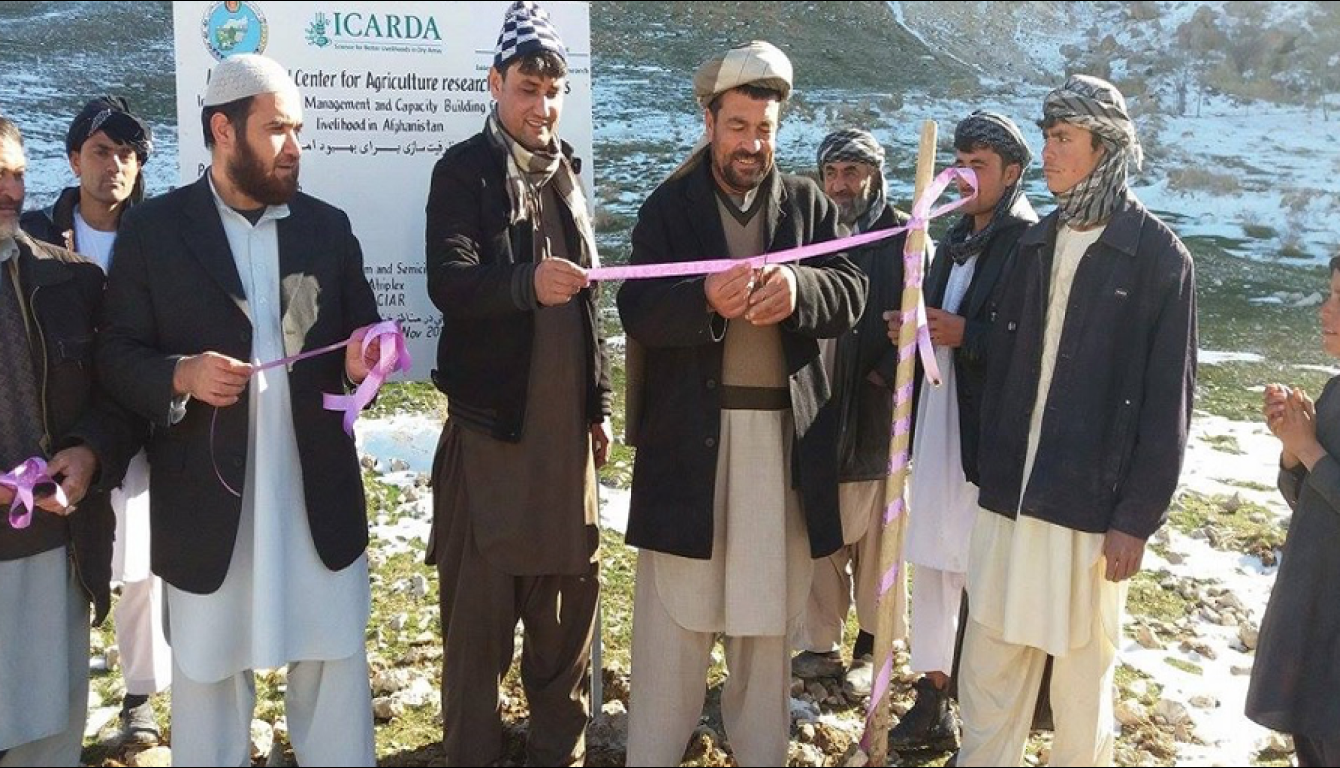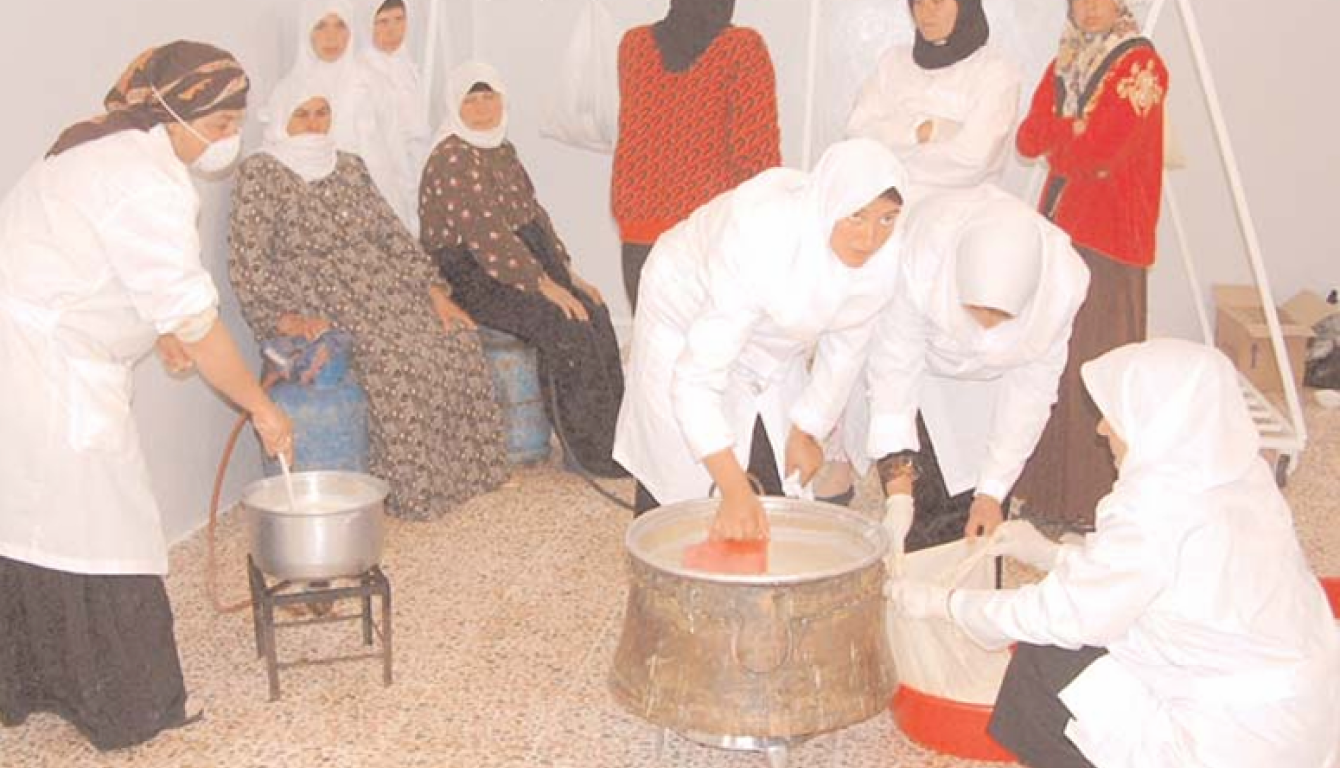





























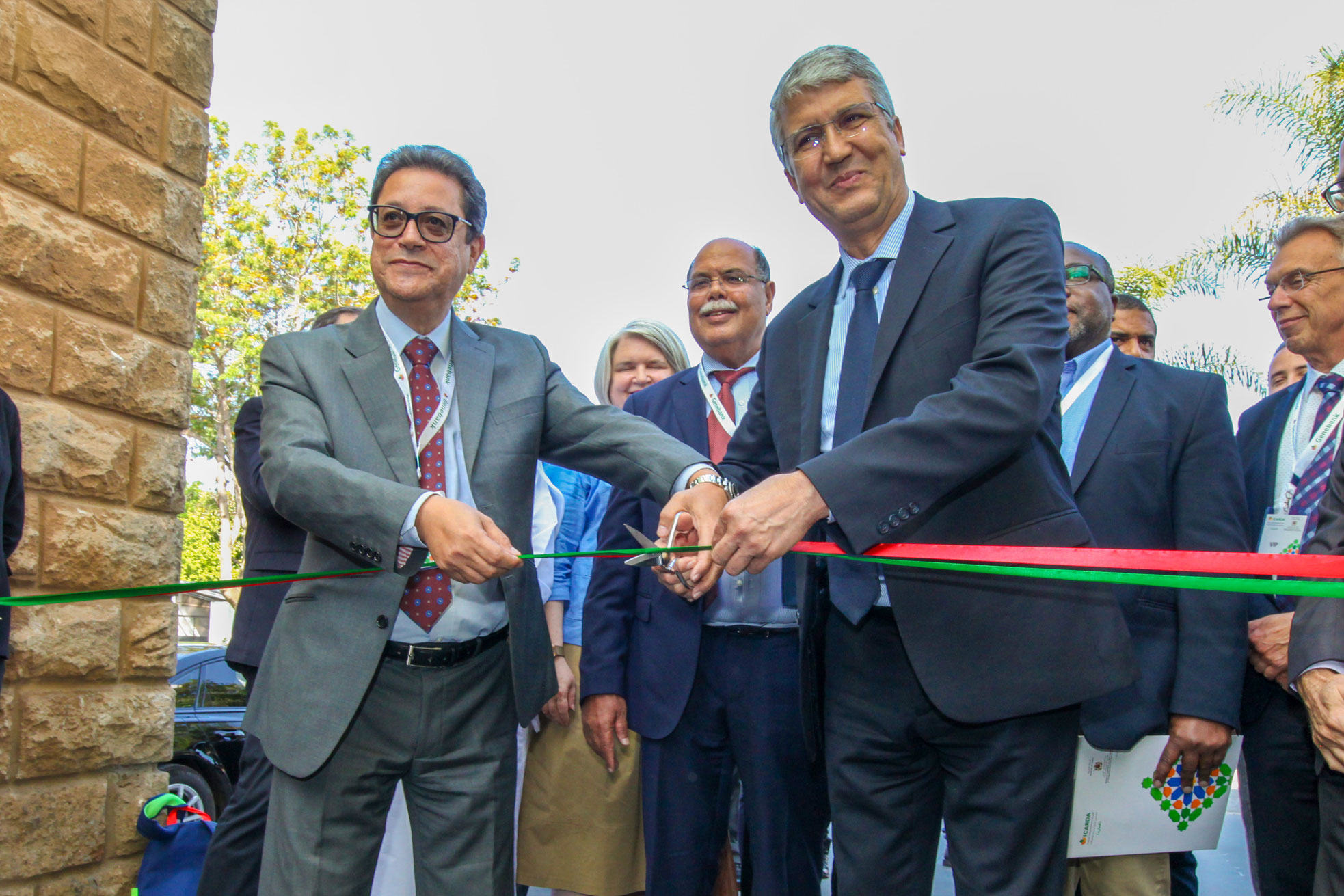
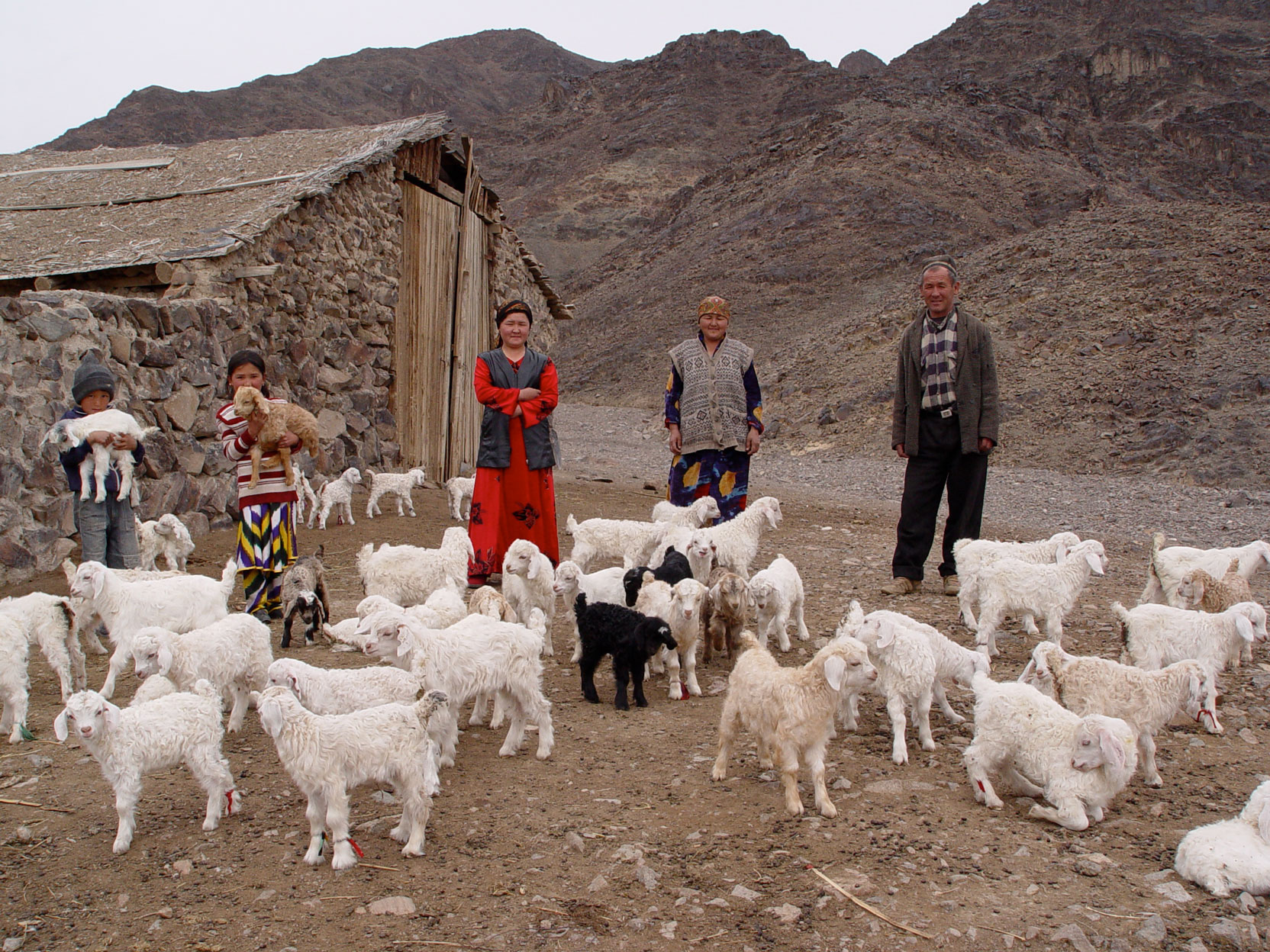
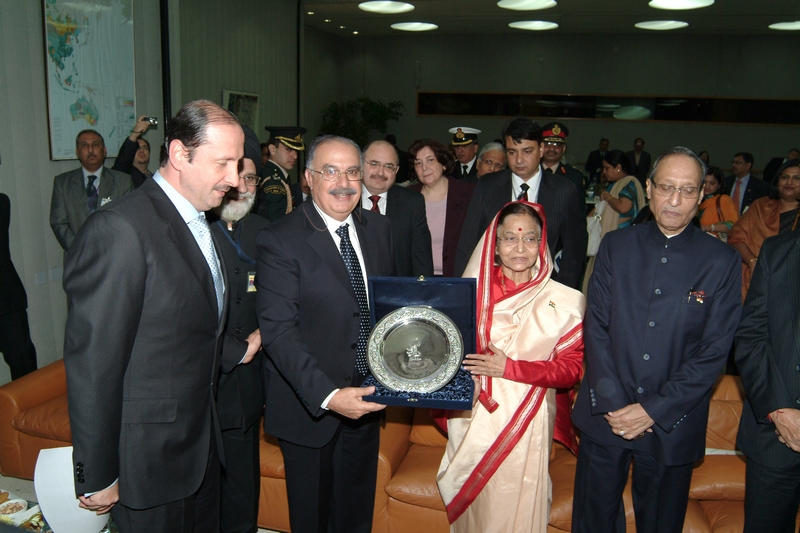
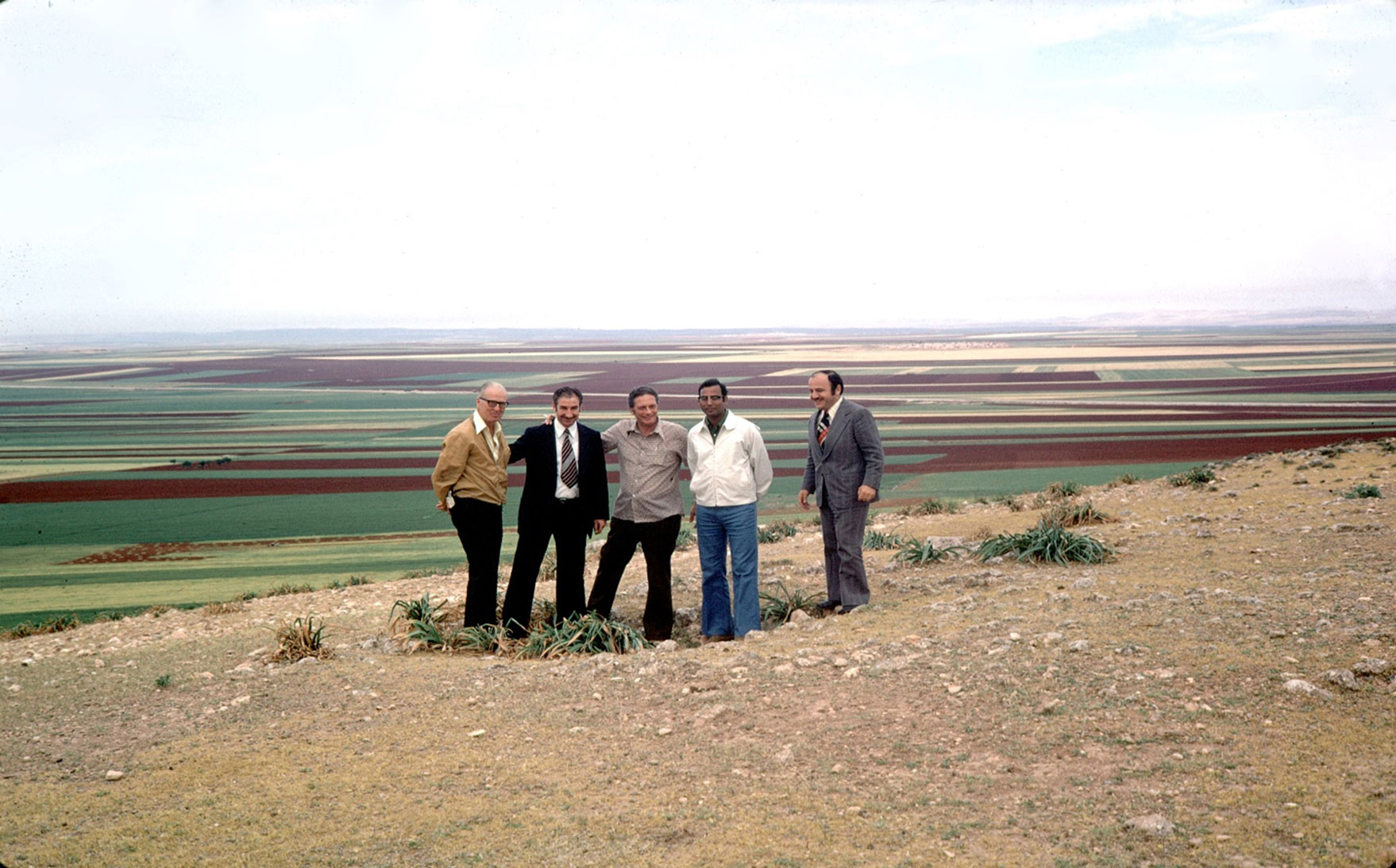
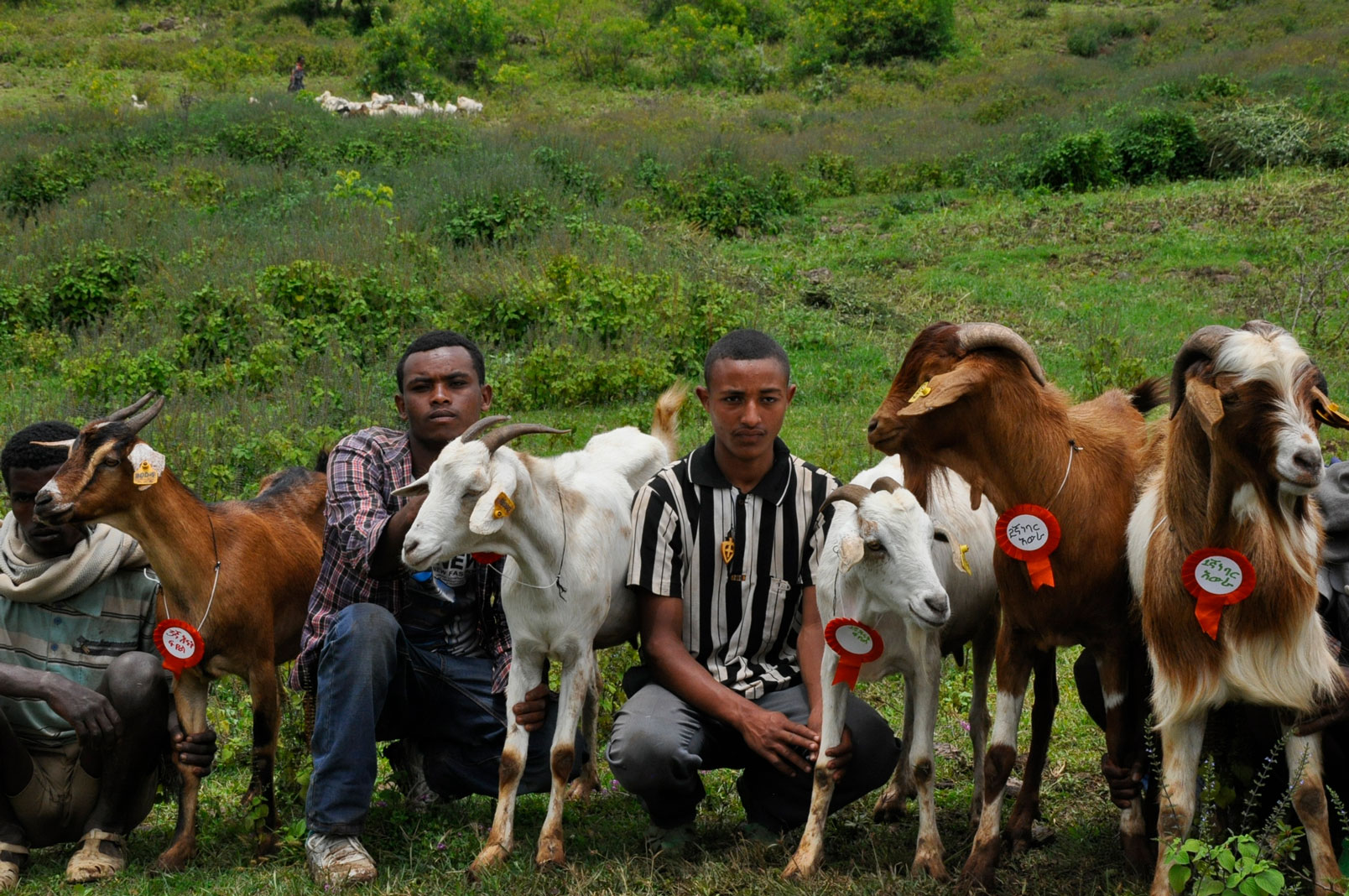
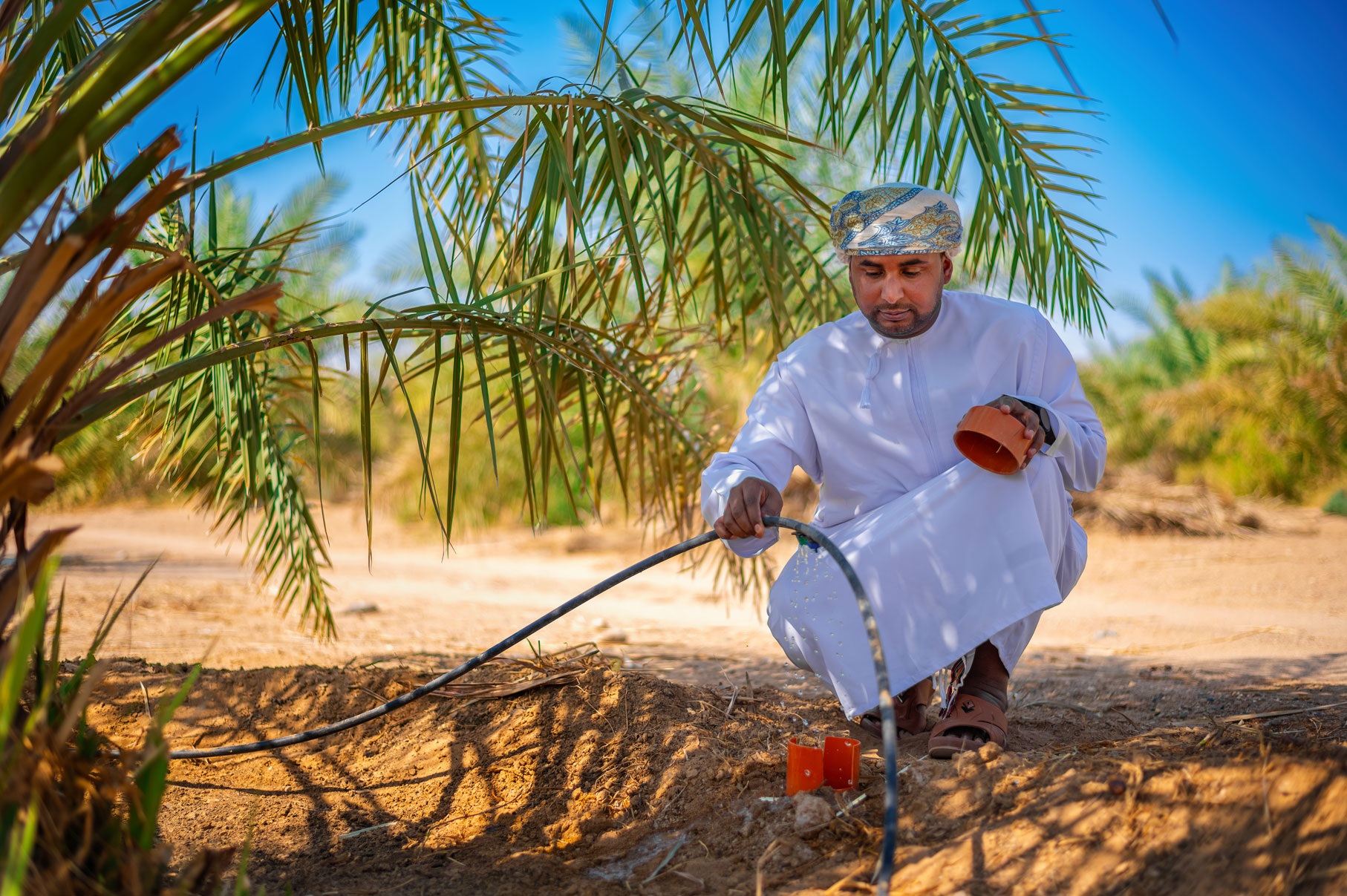
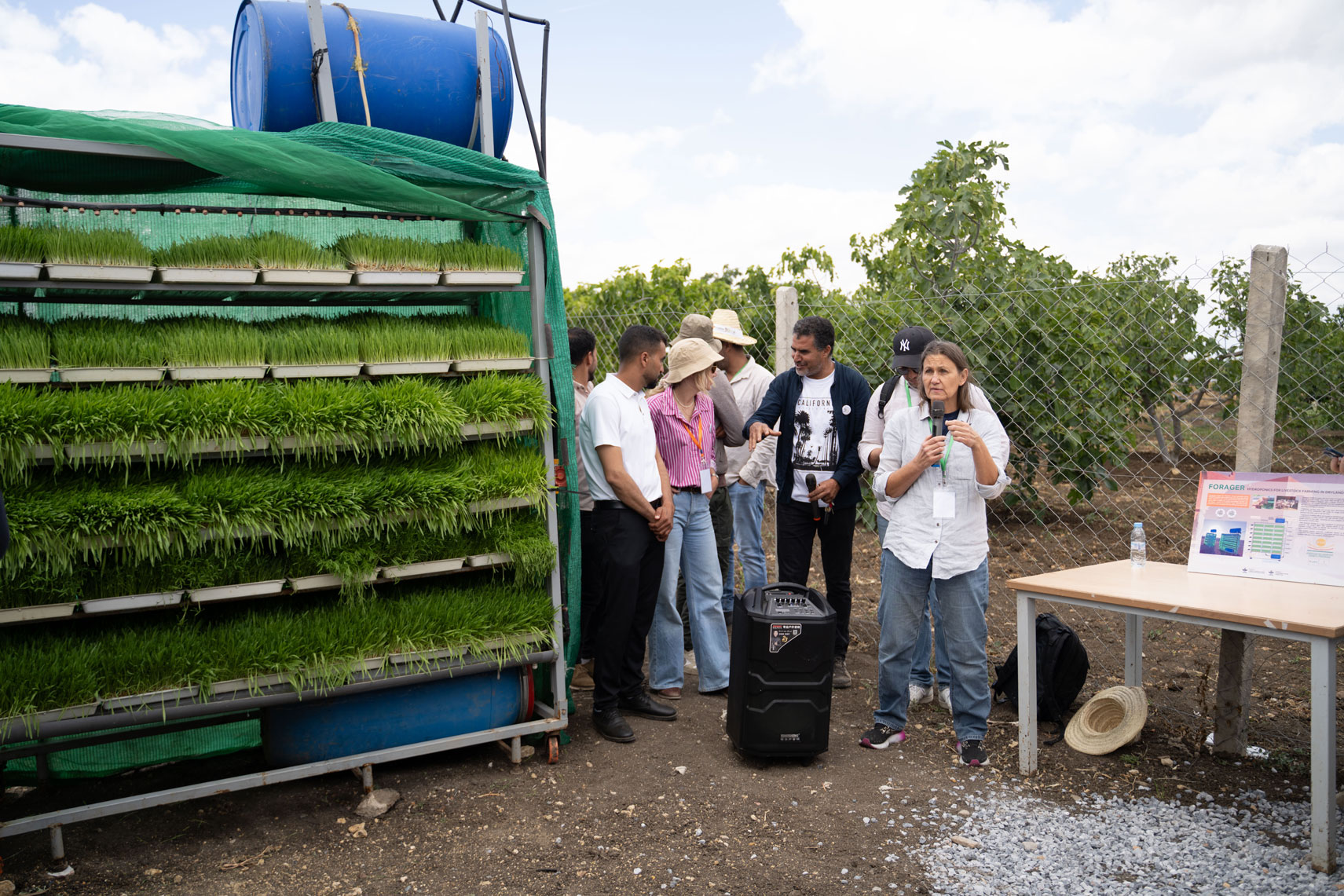
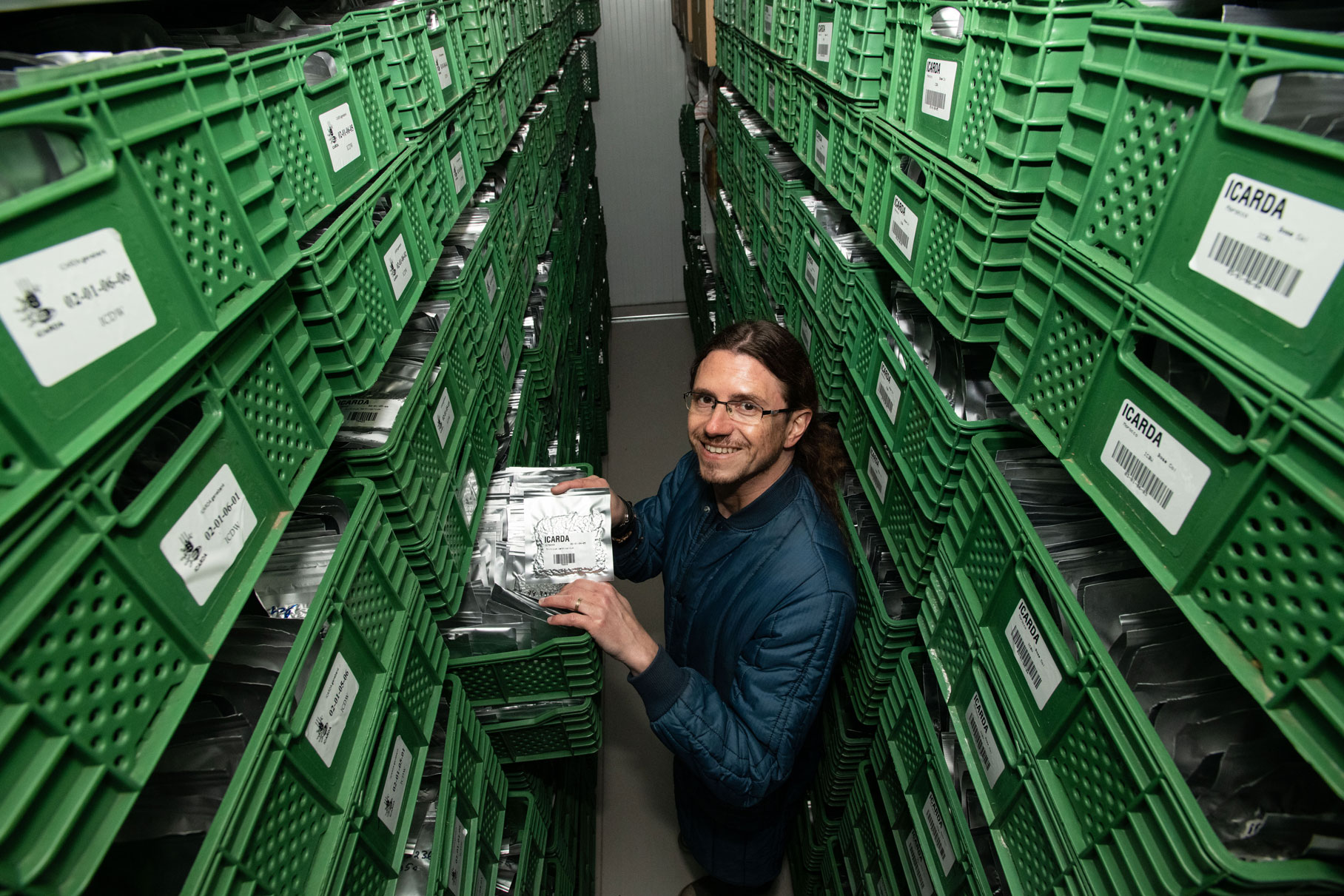
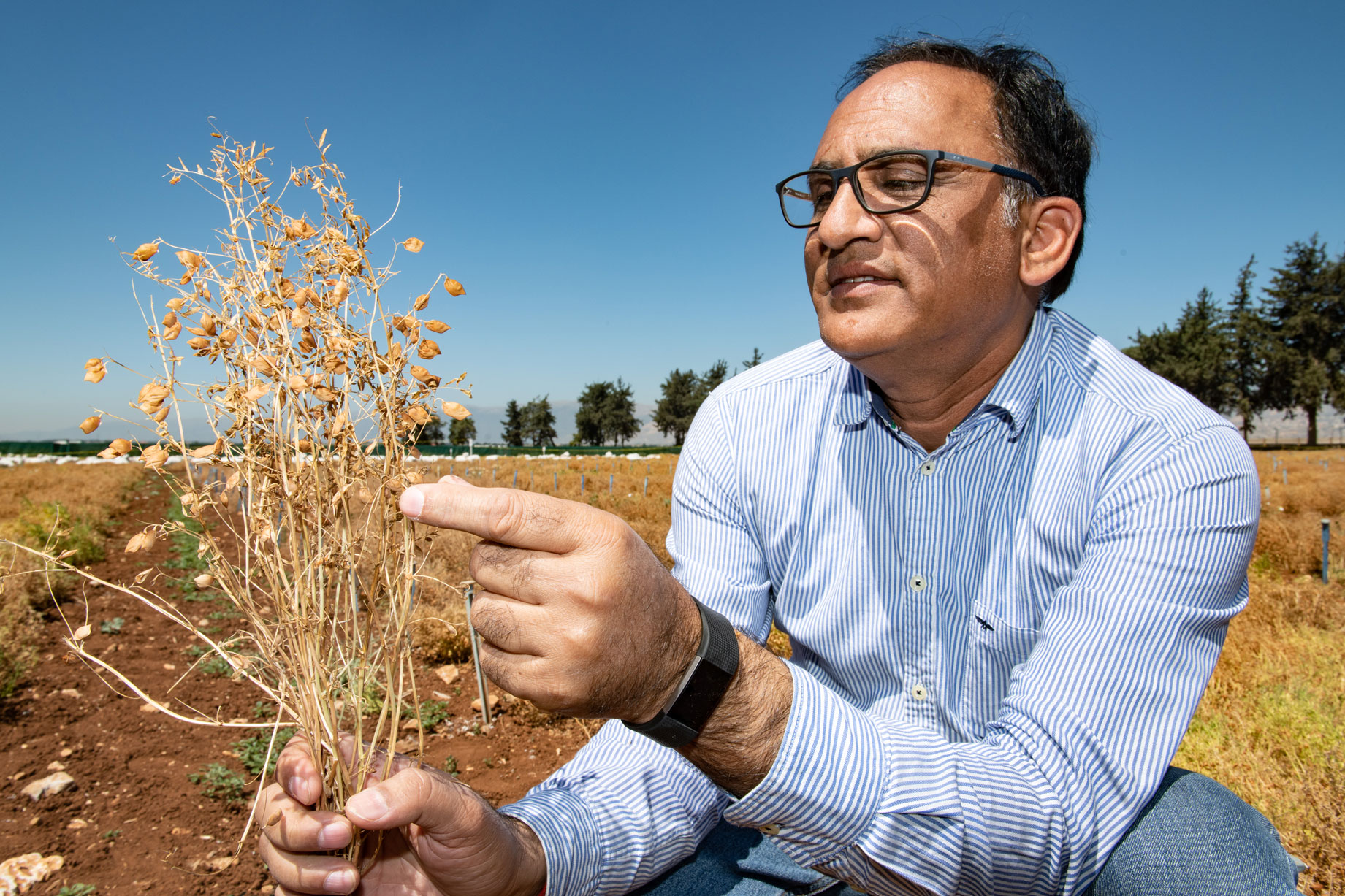
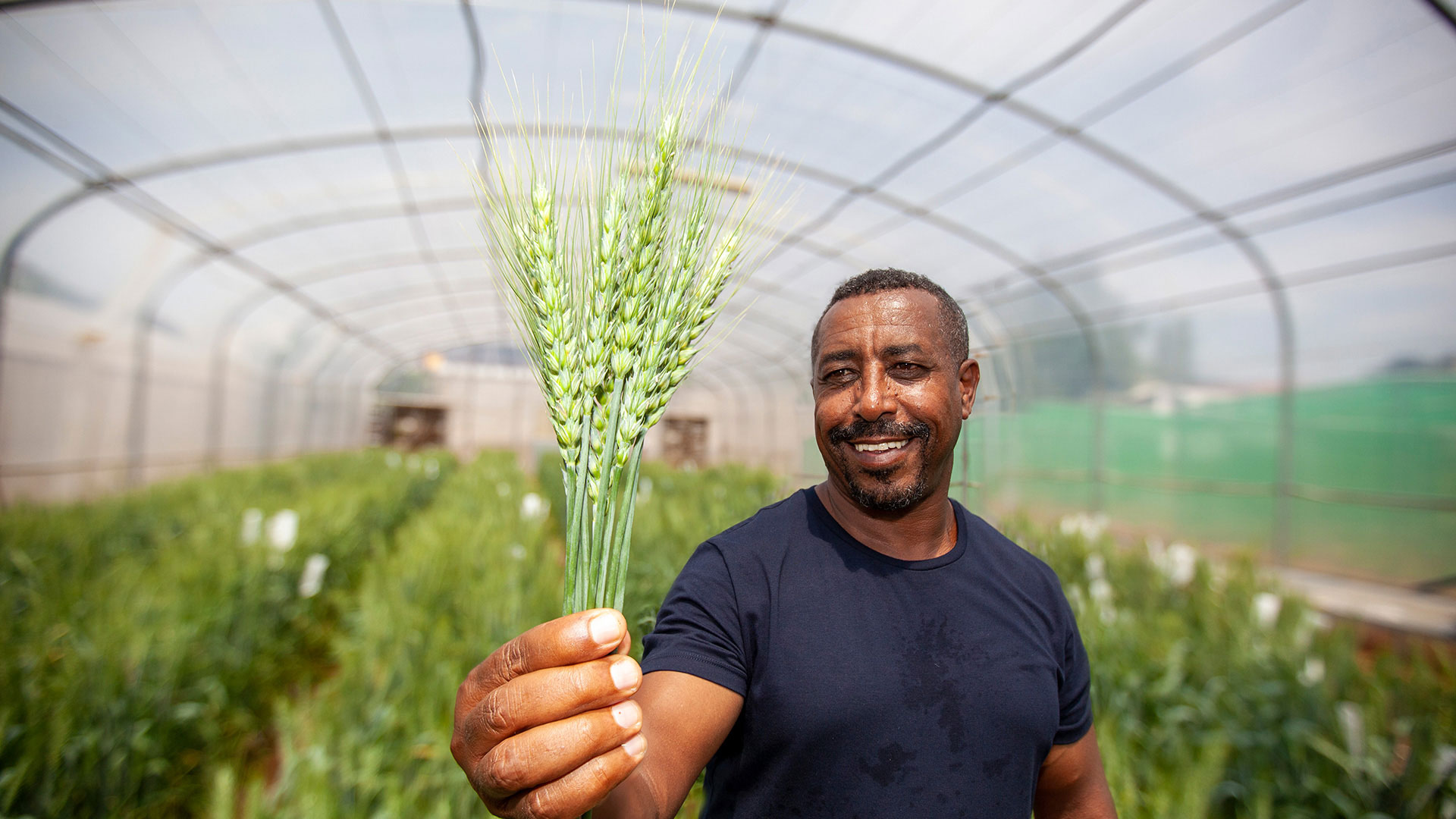
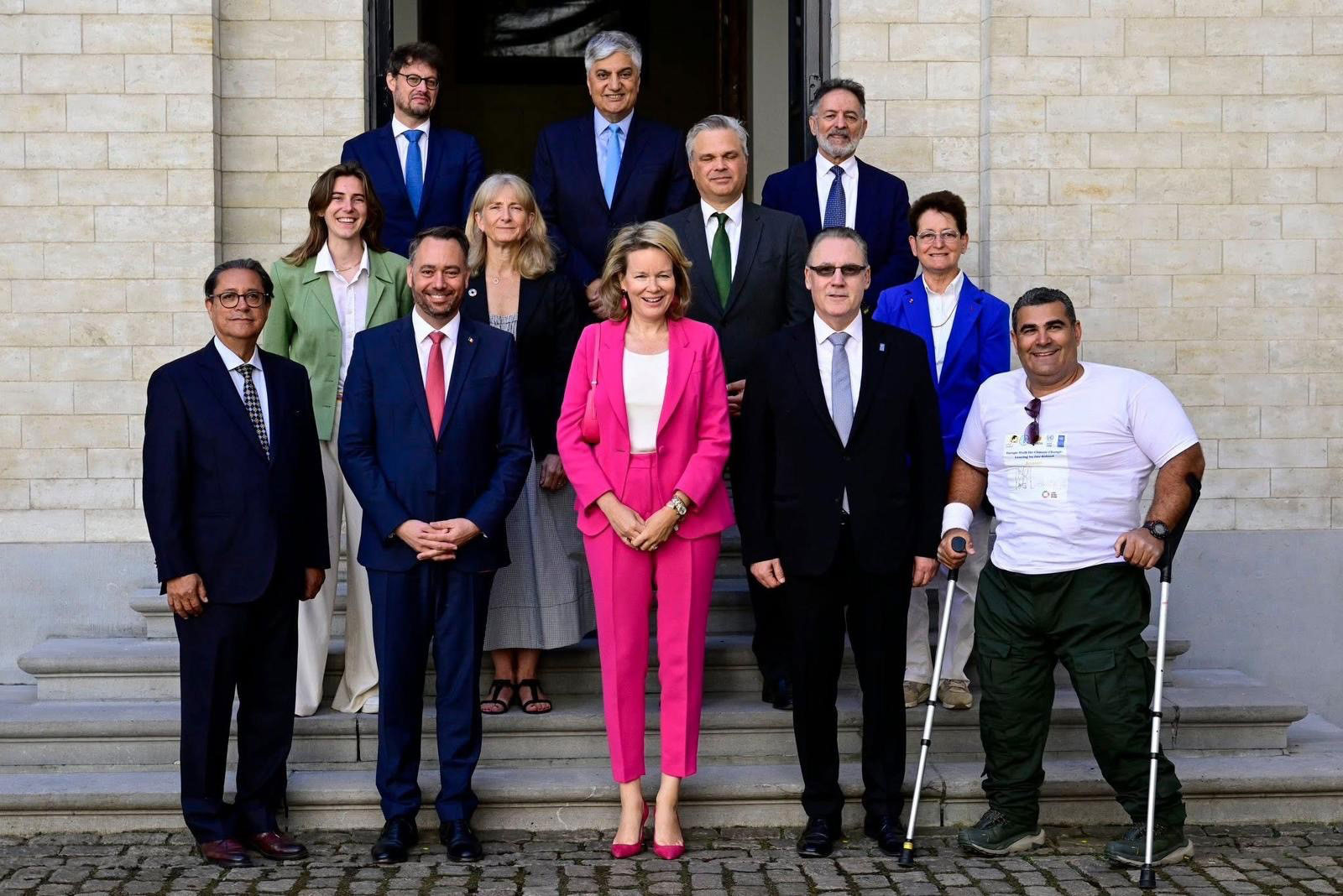
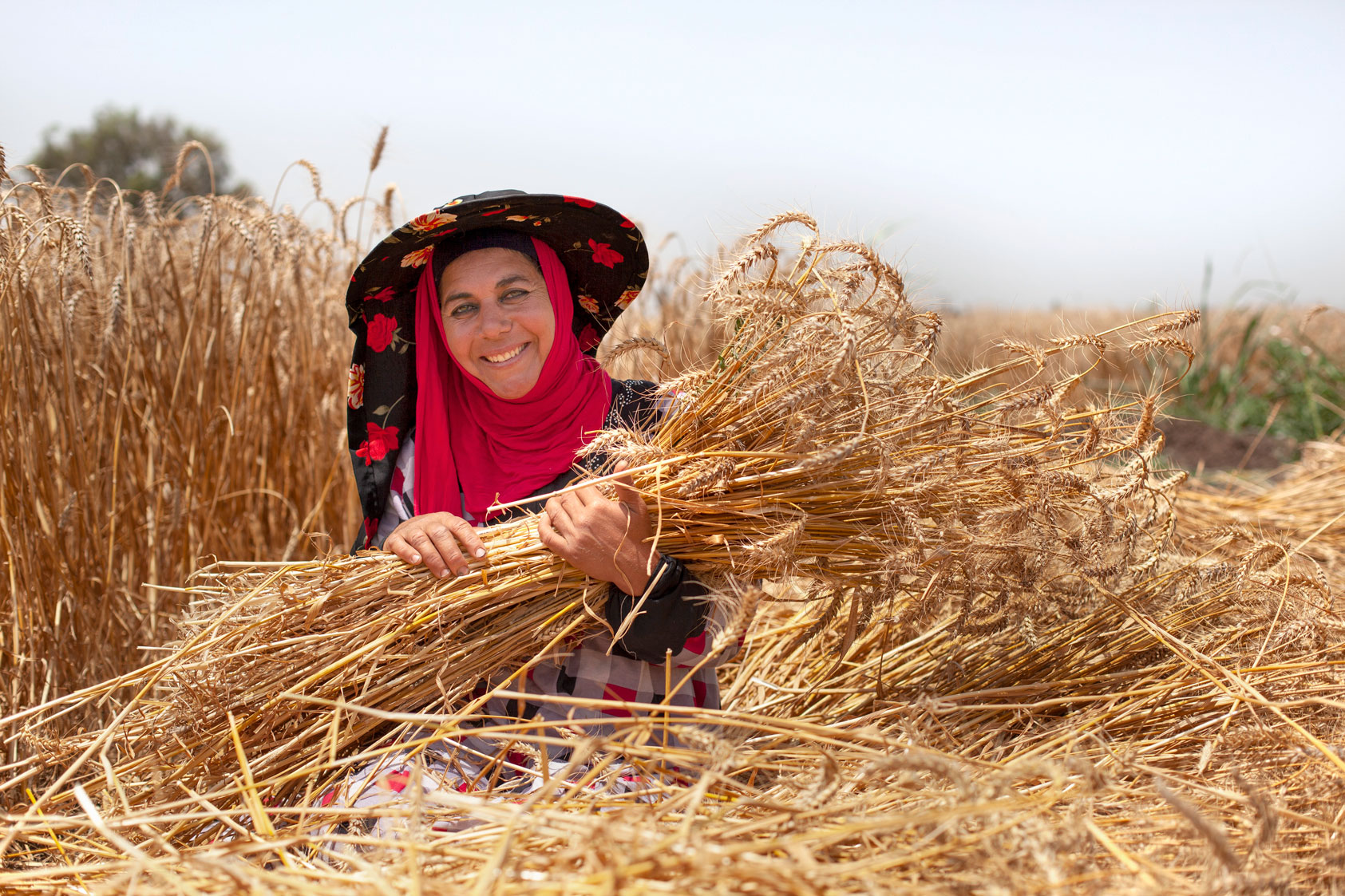
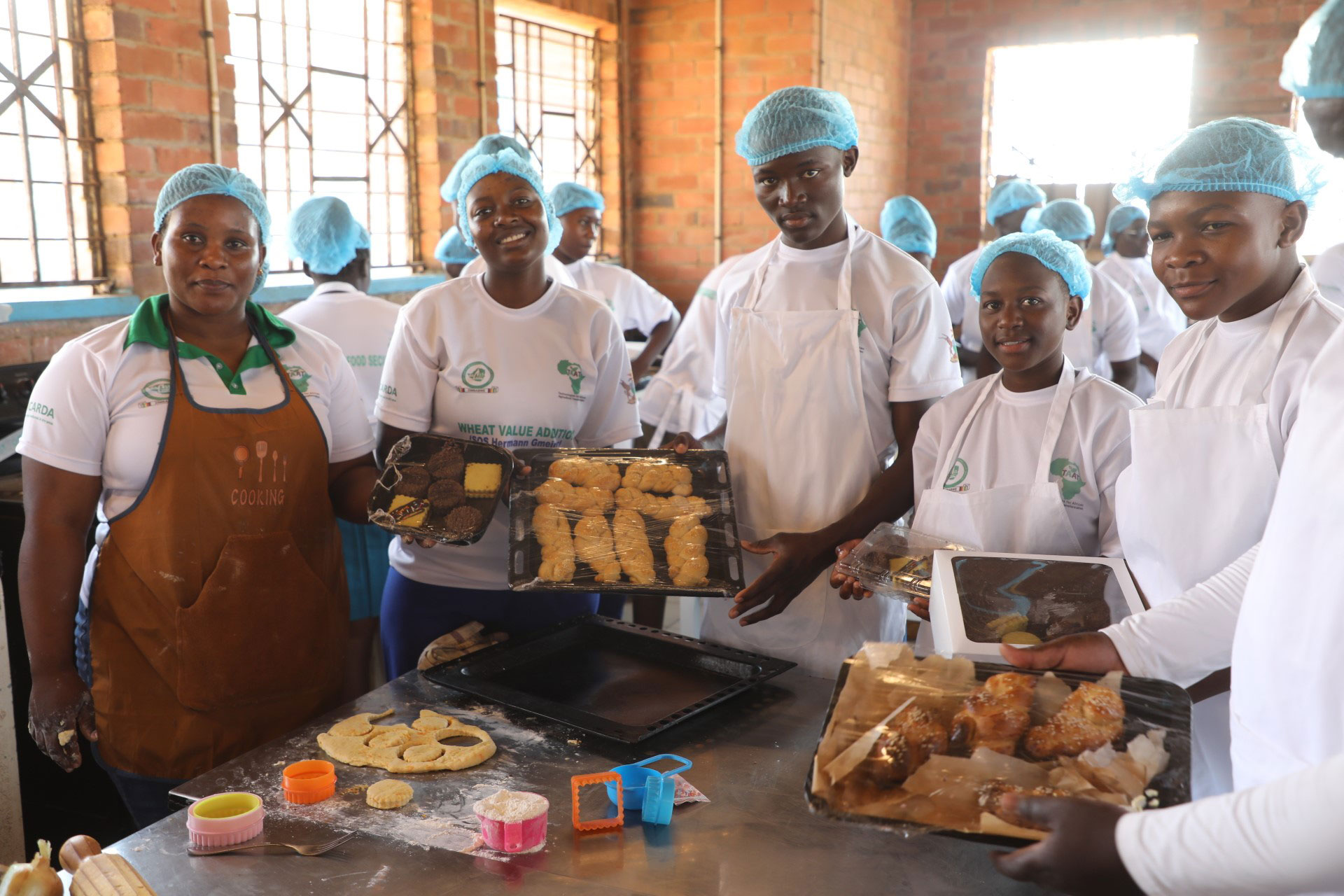
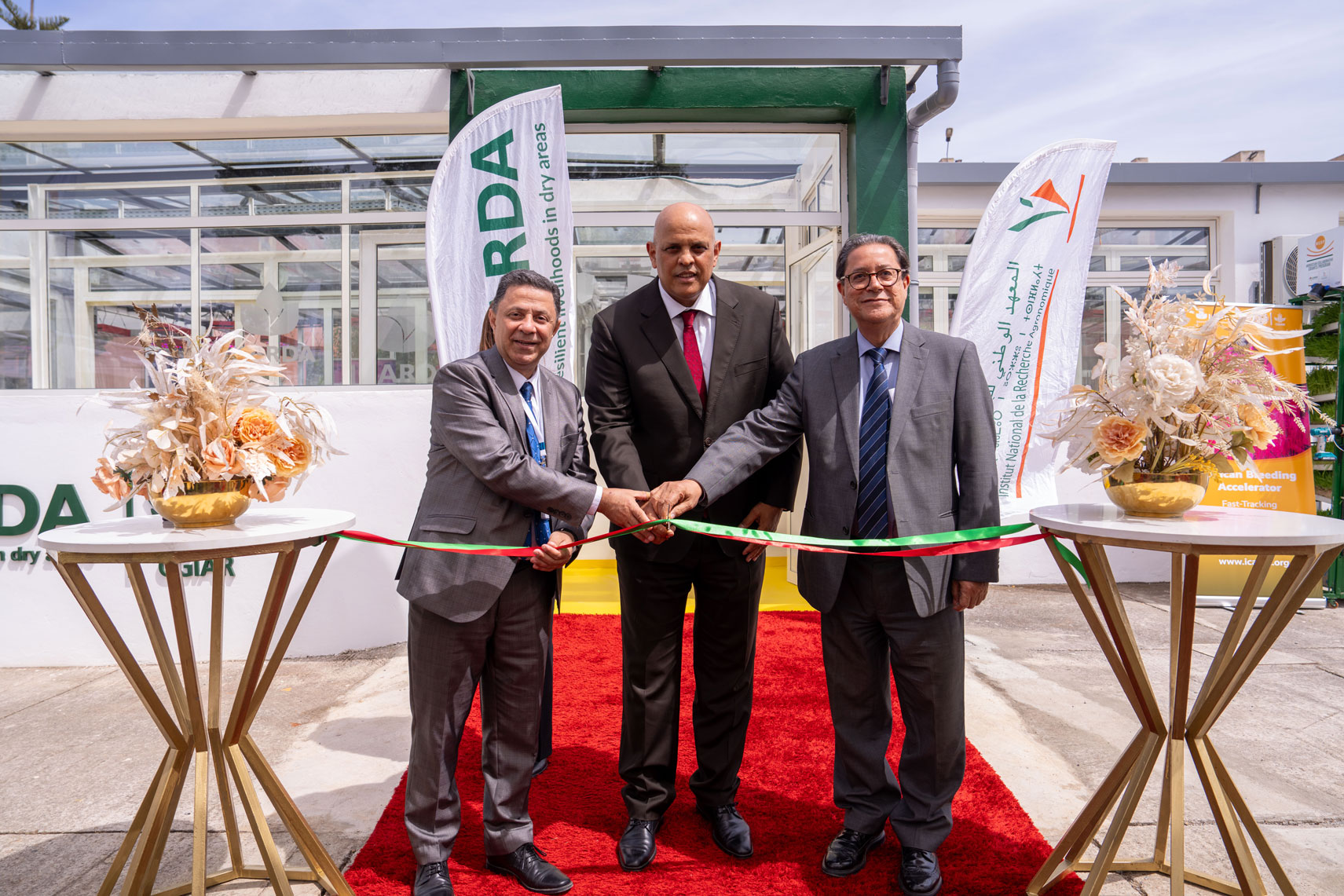
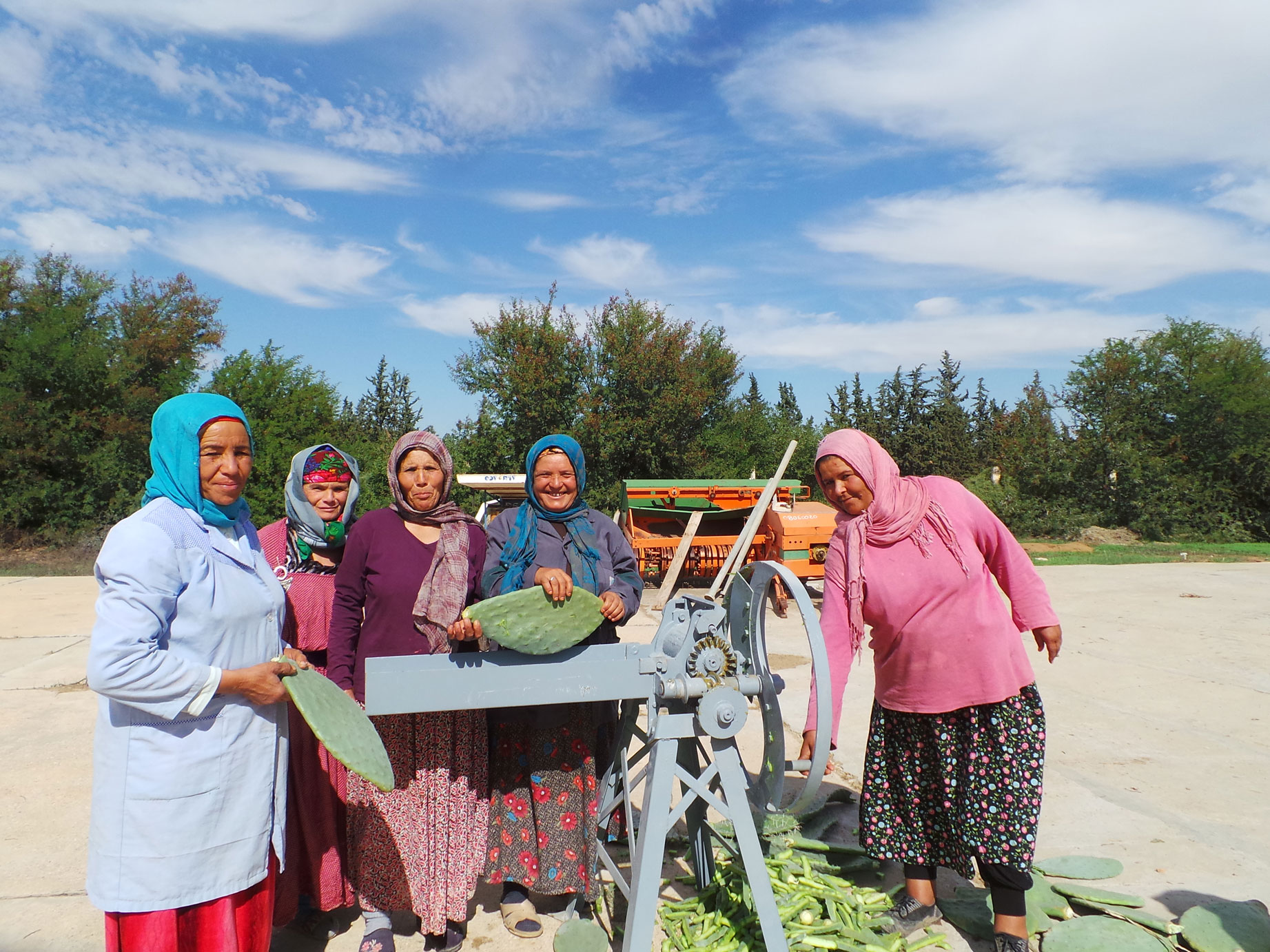
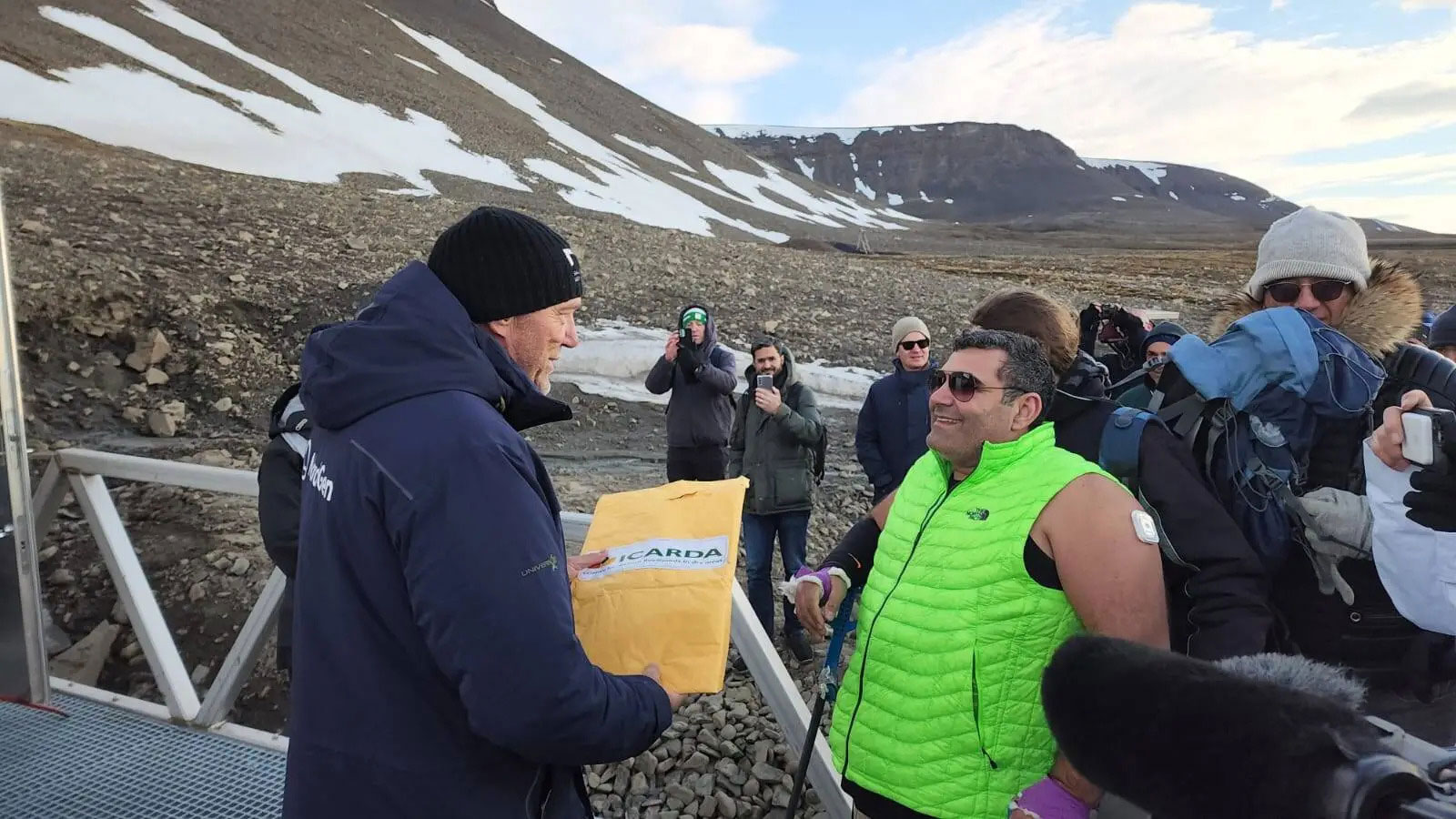
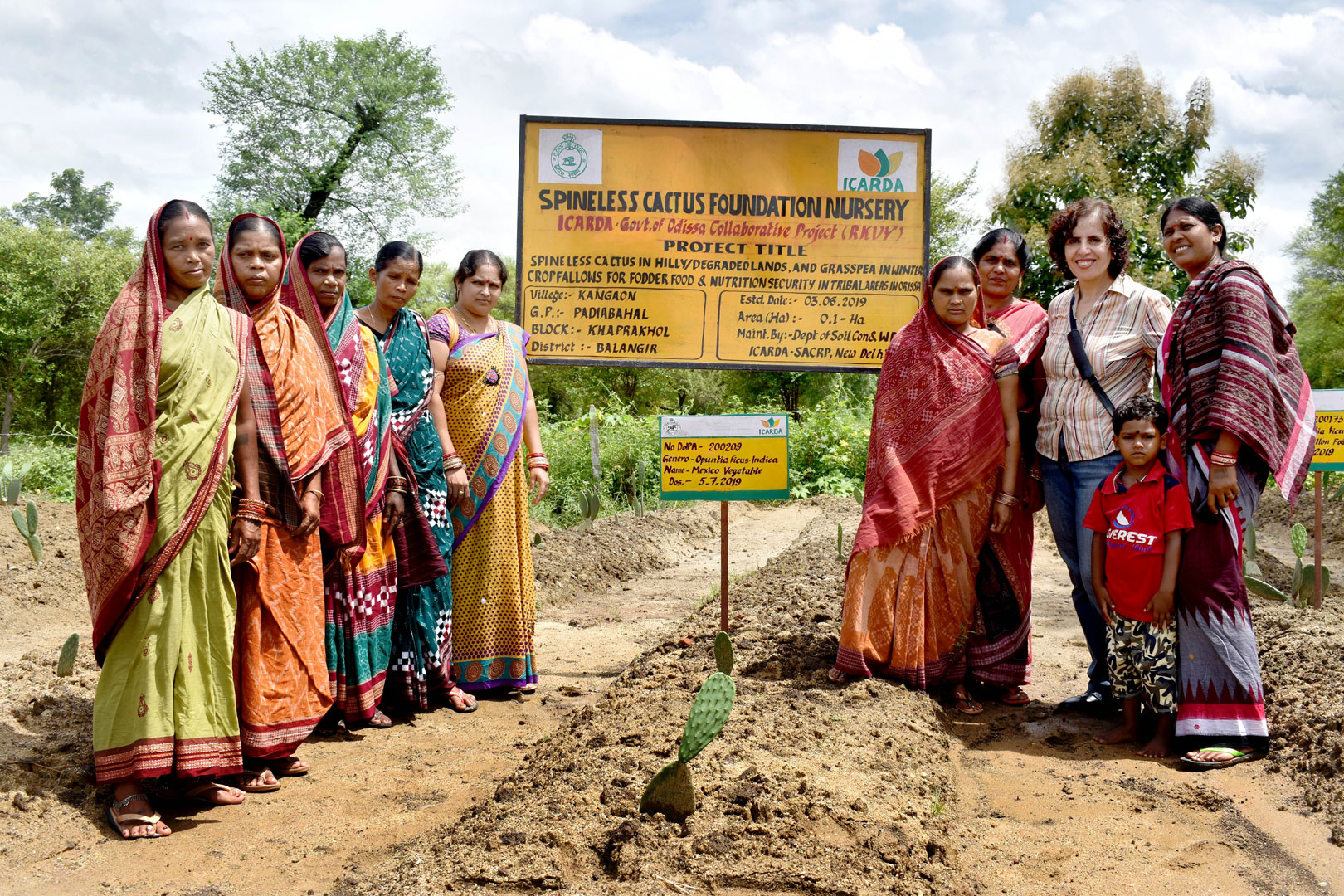
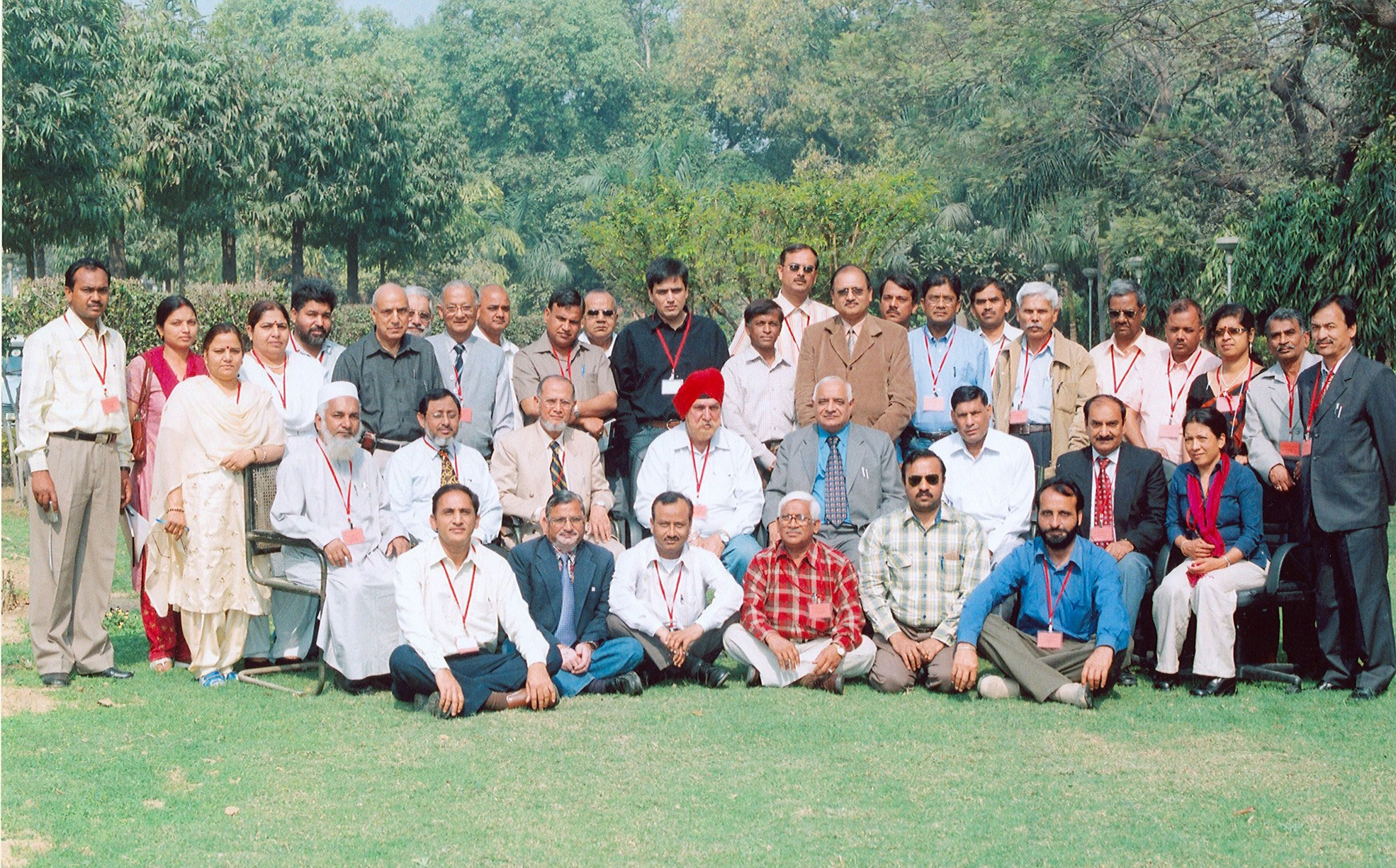
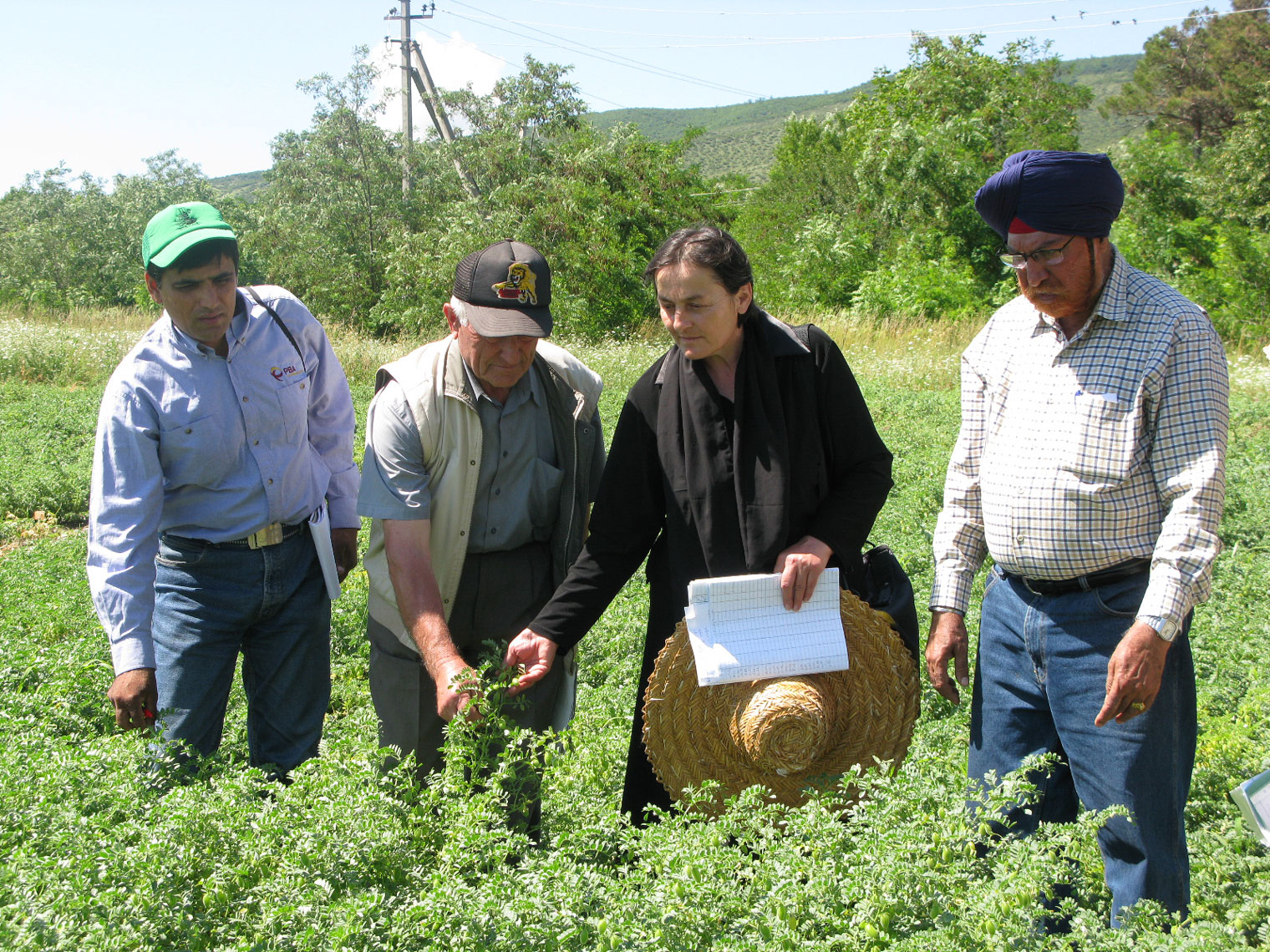
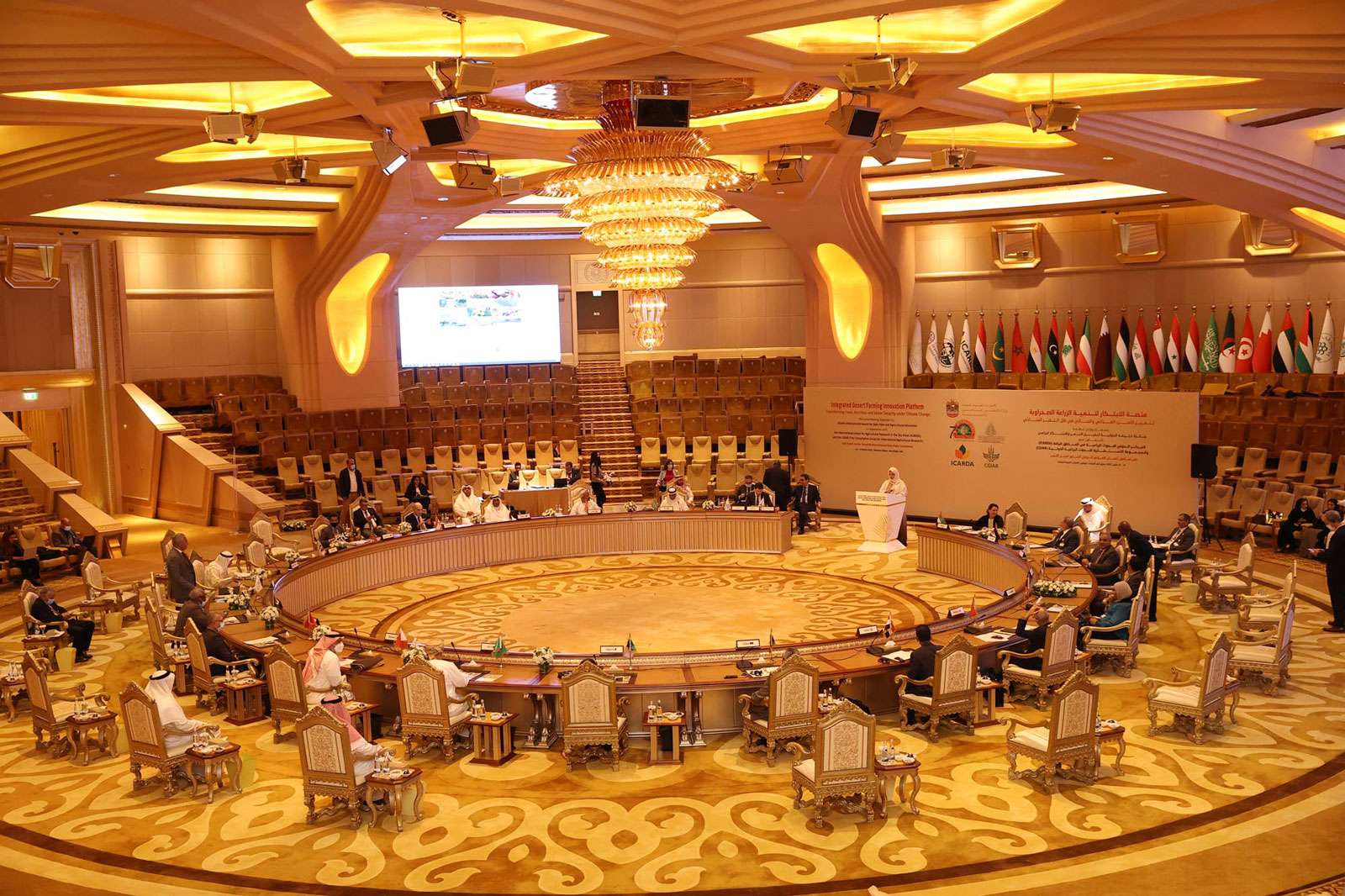
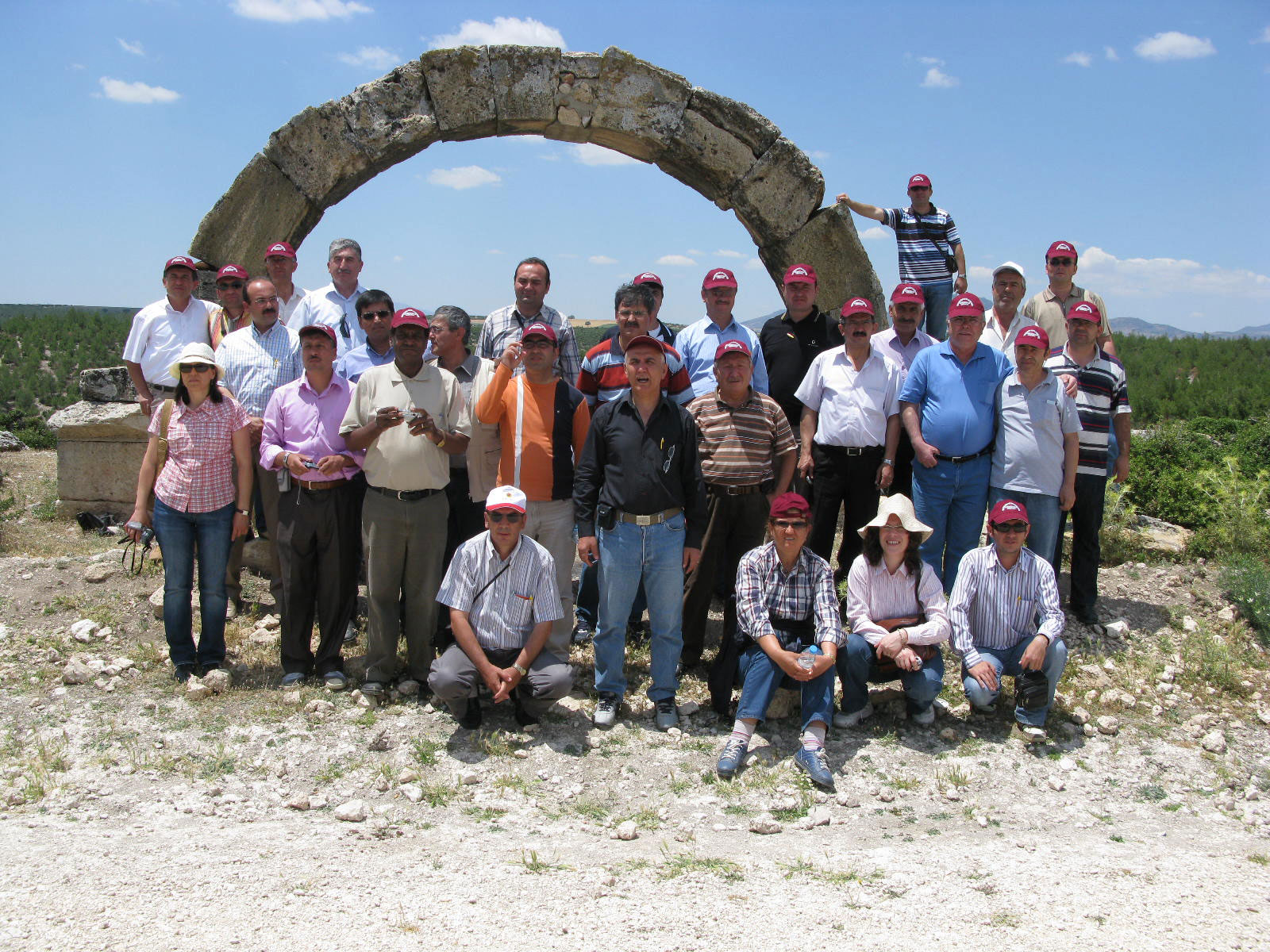
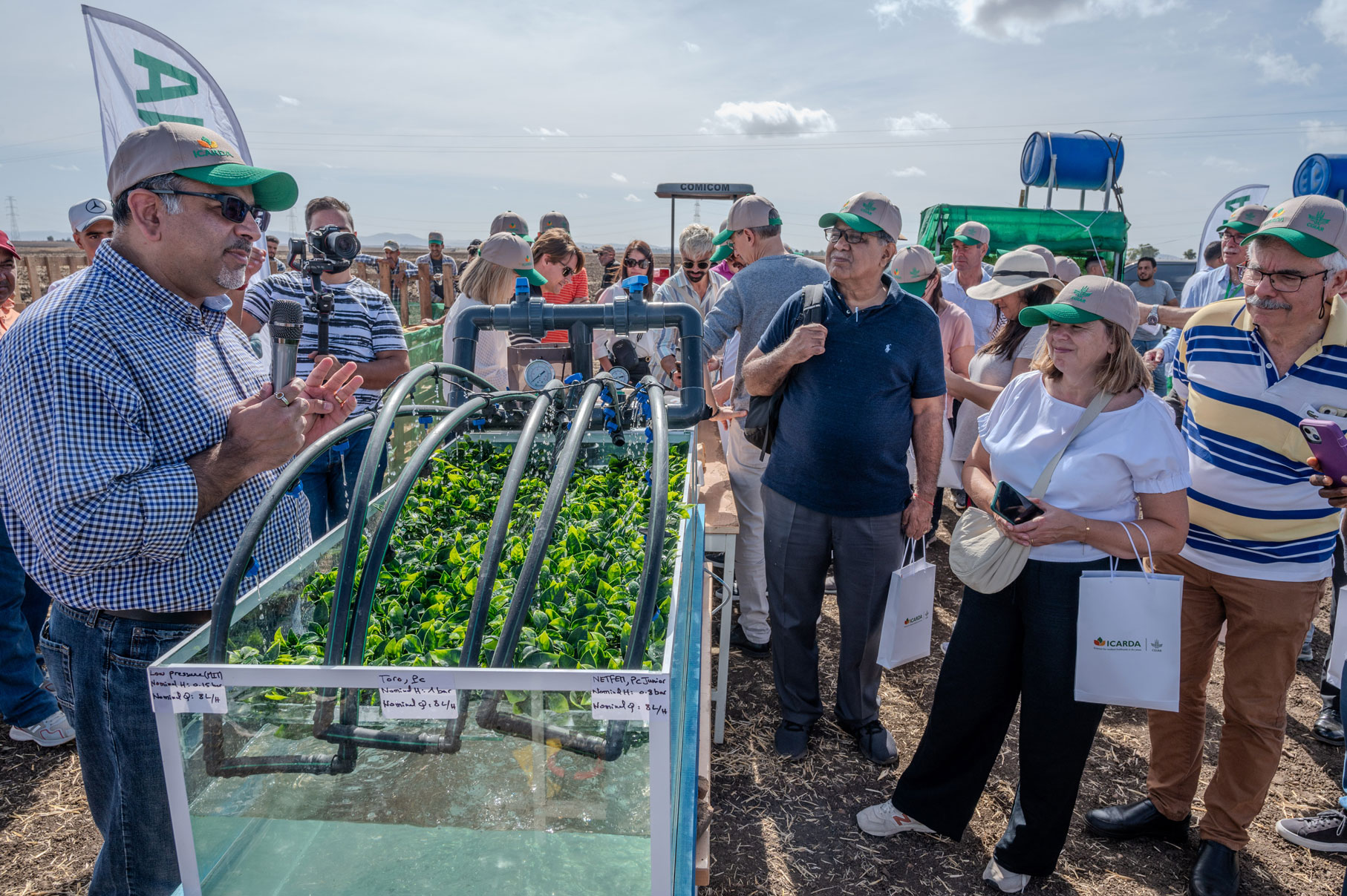
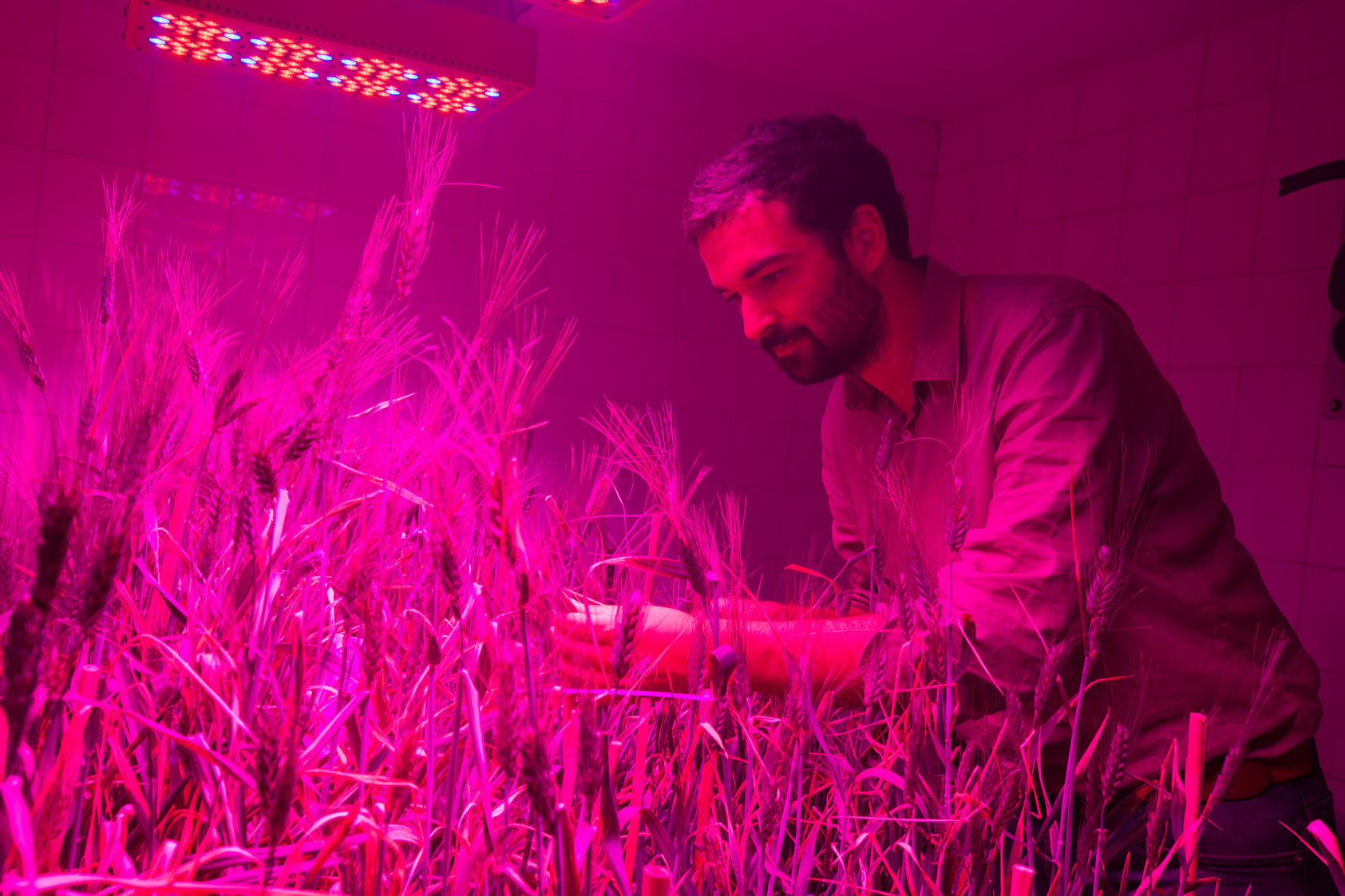
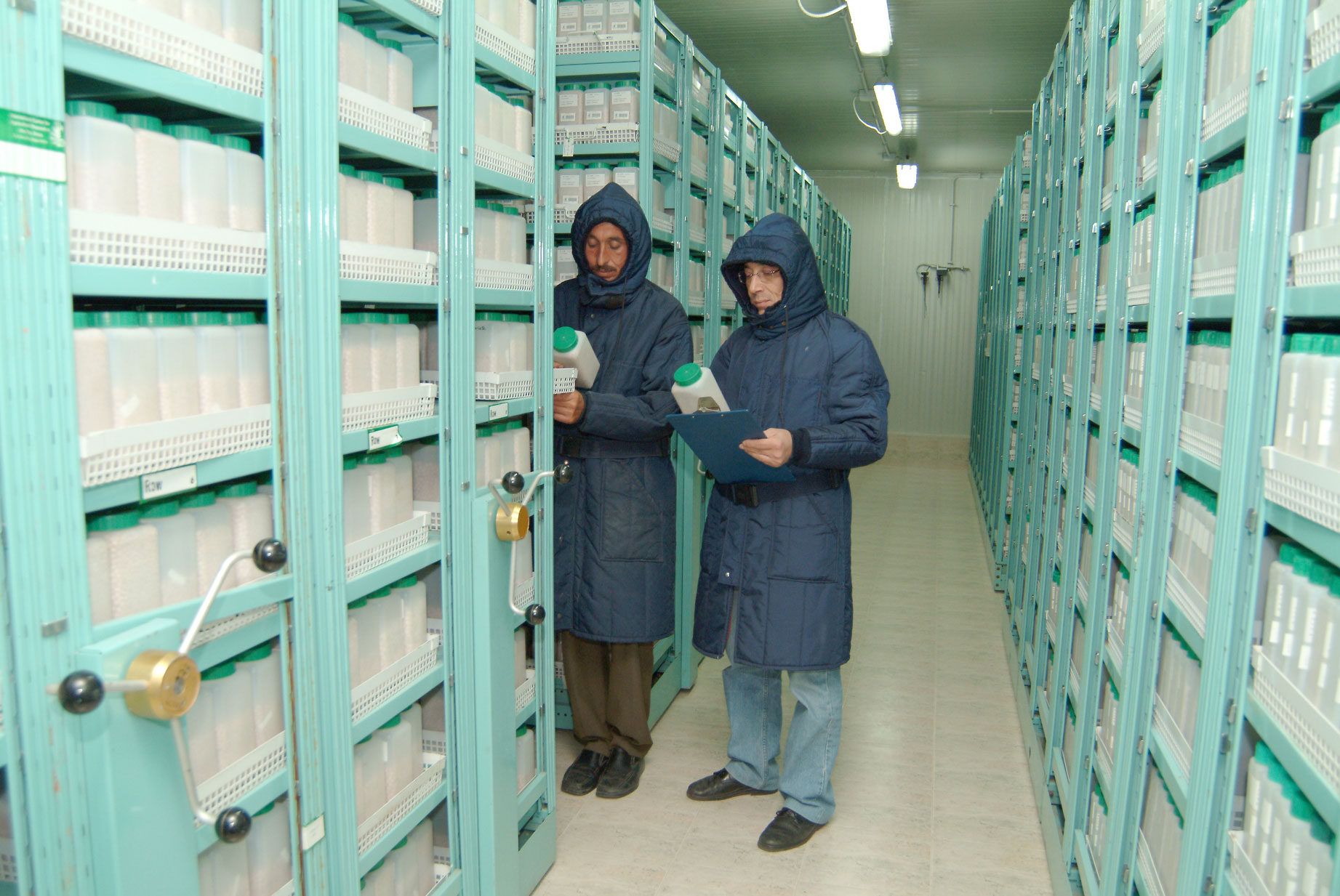
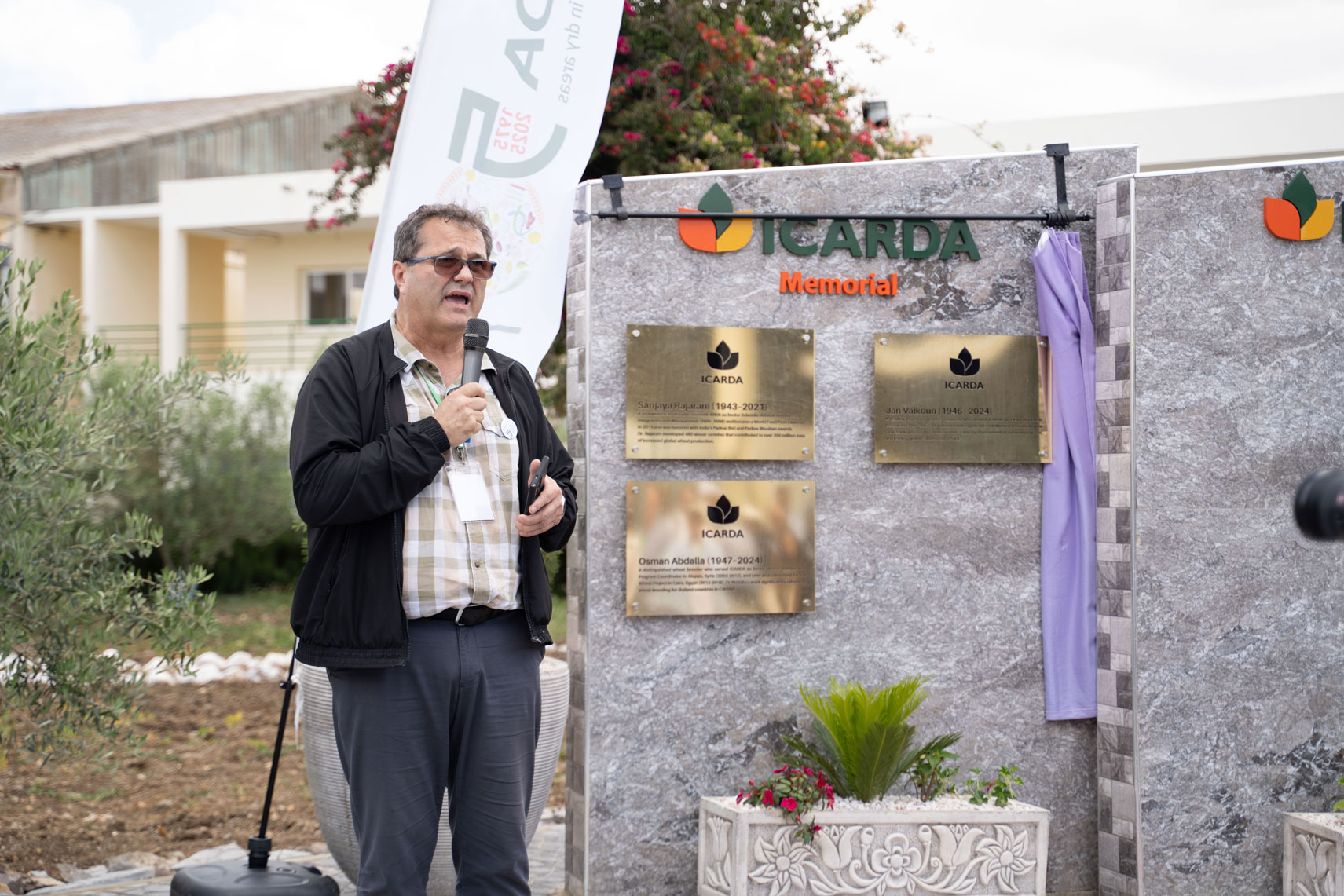
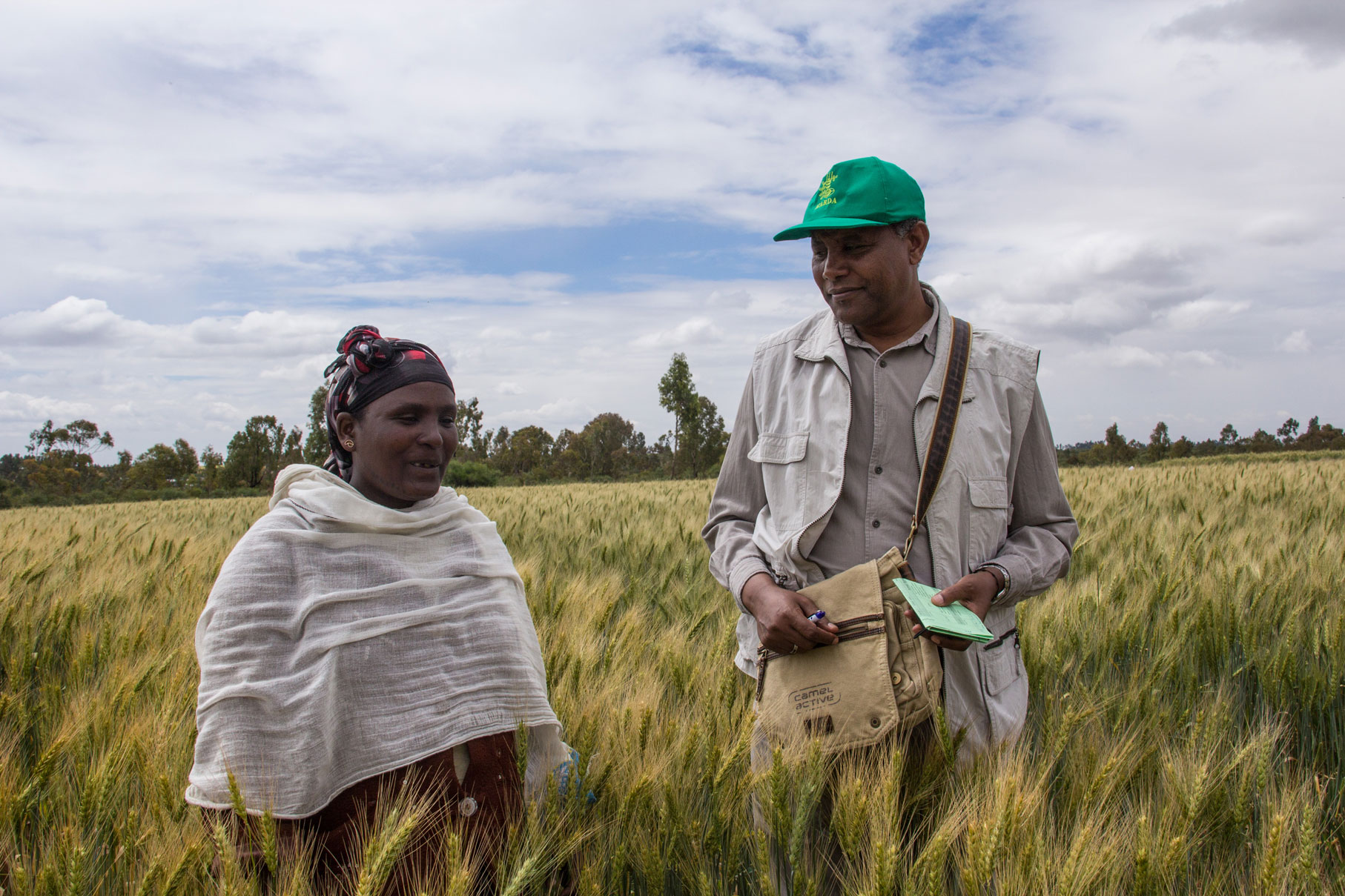
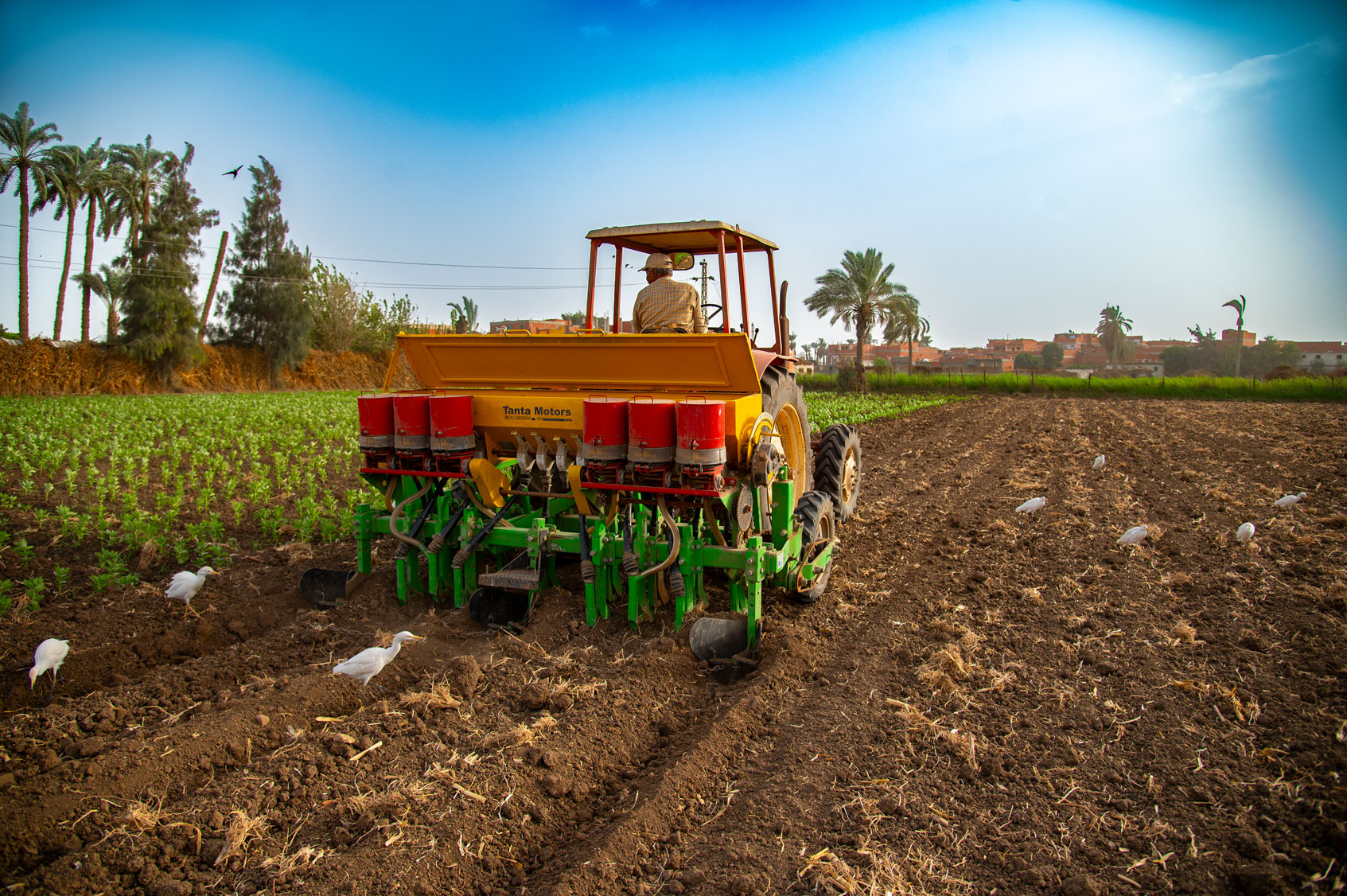
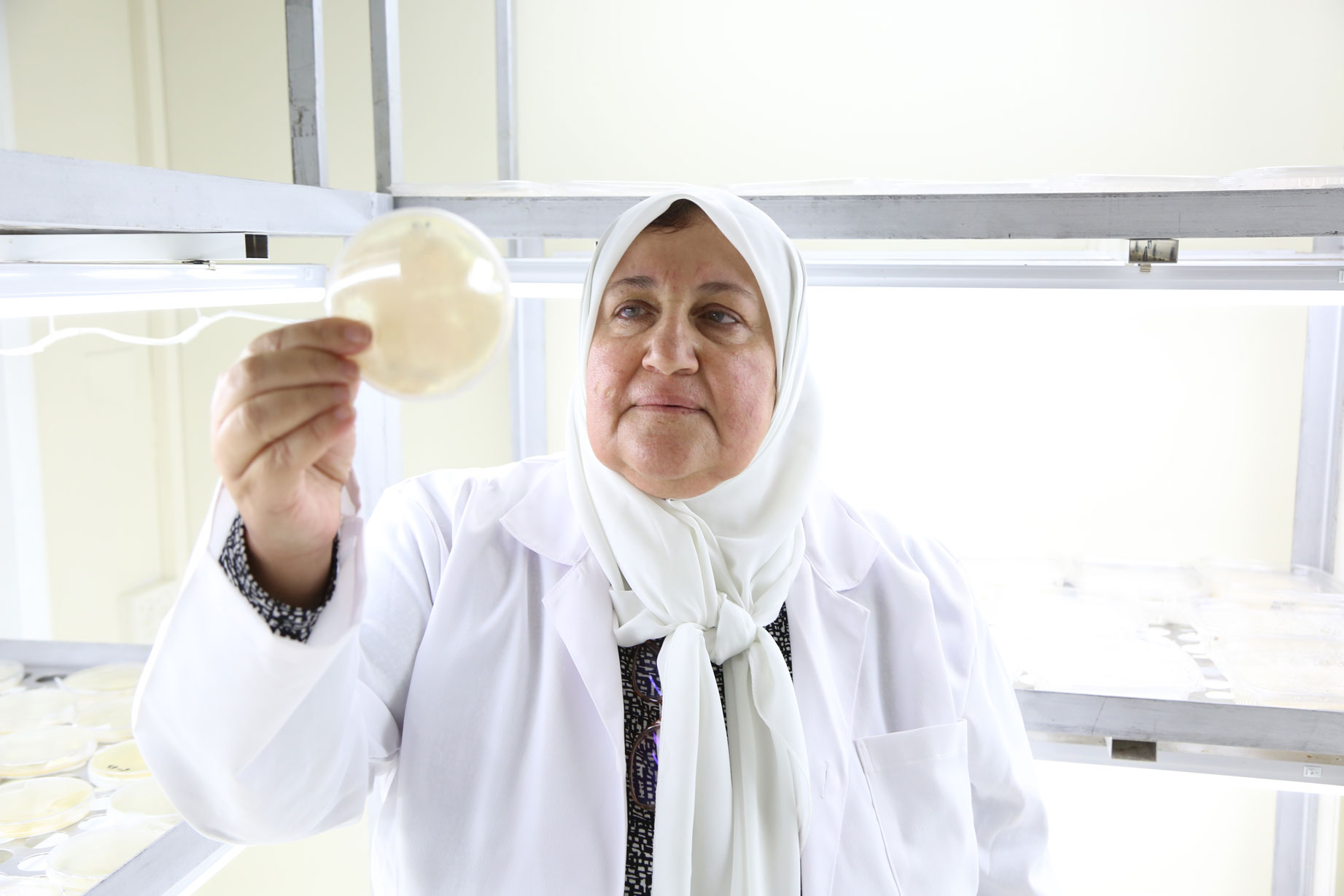


 Researching the region.
Identifying the Gap
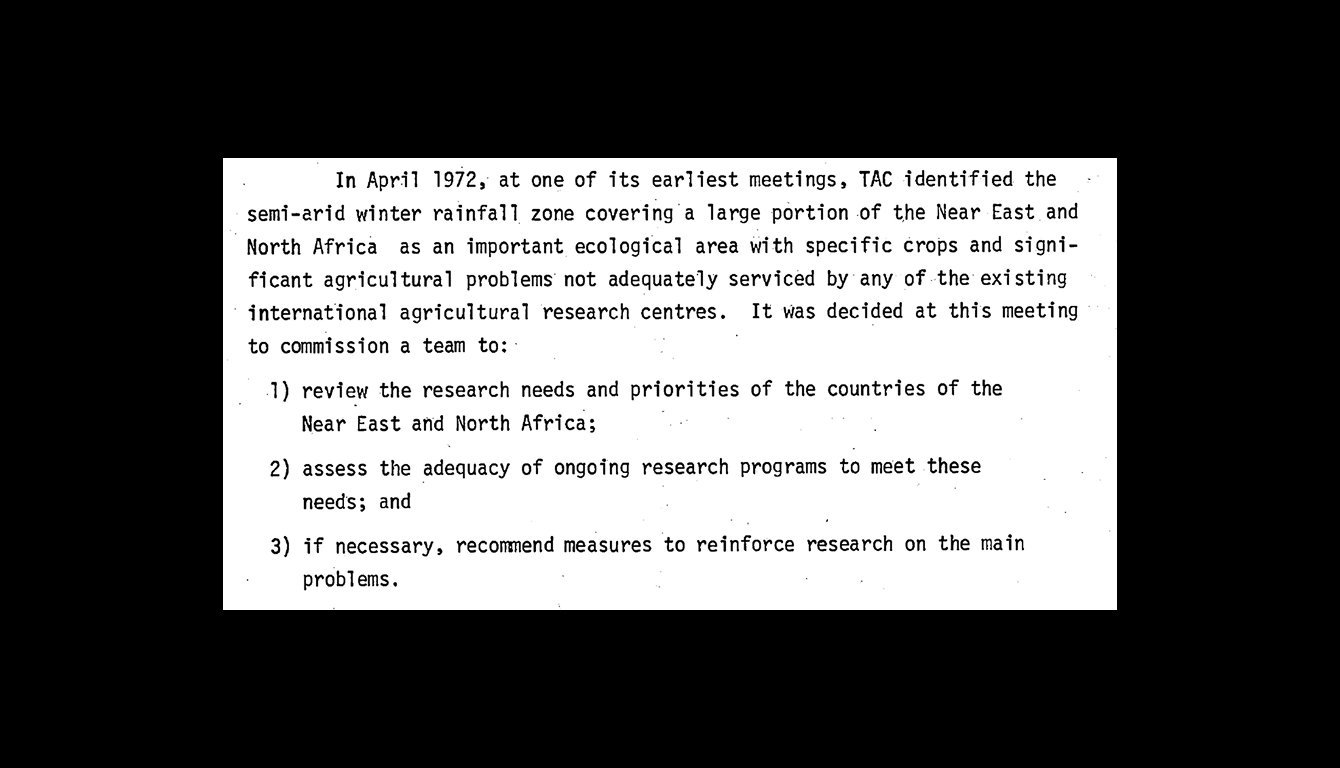
A CGIAR technical mission concluded that the semi-arid winter rainfall zone, which covers much of the Near East and North Africa, is a critical ecological area with distinct crops and pressing agricultural problems. Despite its significance, the region was underserved by existing agricultural research centers, making the case for a new center with its own science, dedicated to drylands.
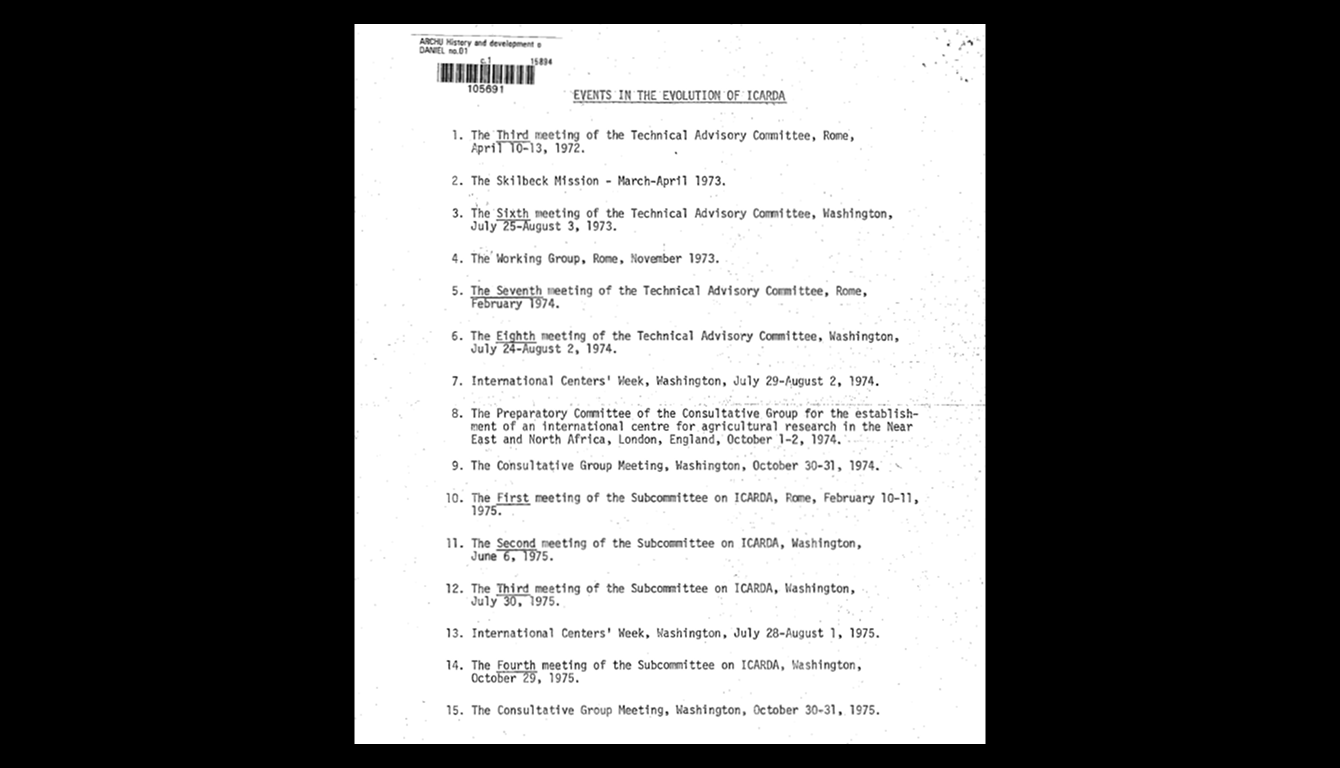 Events in the Evolution of ICARDA.
Establishing the Charter
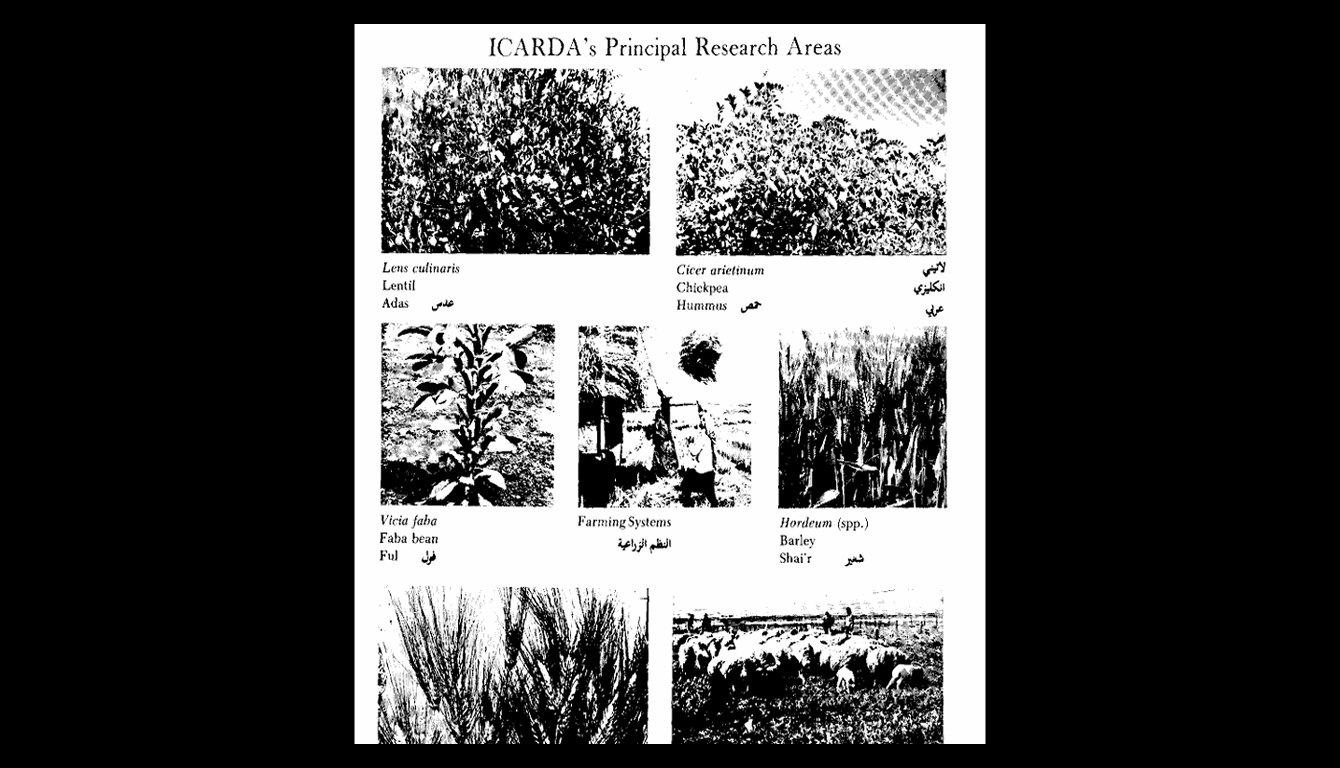
ICARDA’s founding charter was signed with a clear mandate to raise and stabilize food production across the drylands. Its initial focus was on key regional crops such as barley, lentil, and faba bean, while also supporting wheat, chickpea, and other crops’ research, in partnership with established sister CGIAR centers. Beyond crops, the charter called for advancing farming and livestock systems, strengthening regional and global collaboration, and training a new generation of dryland agriculture scientists.
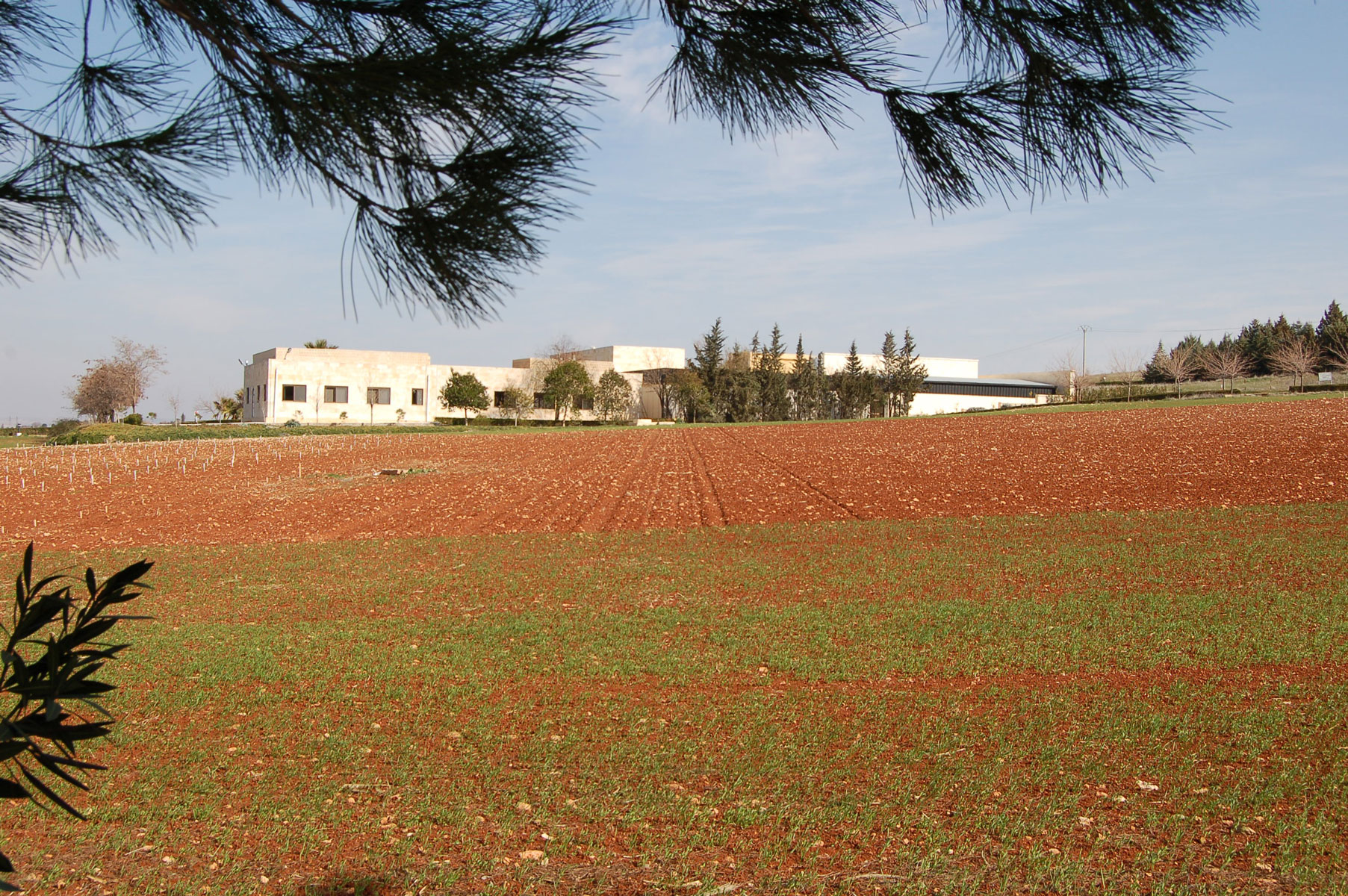
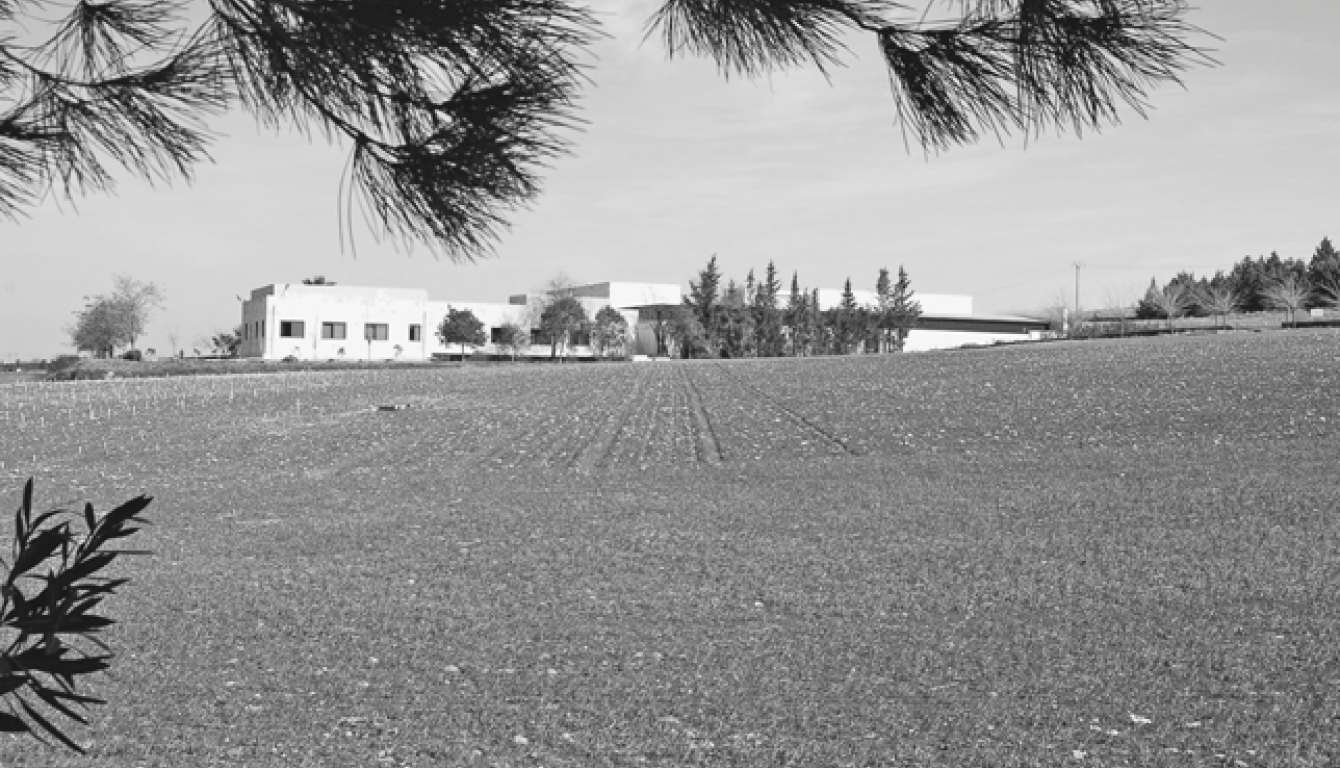 A view of ICARDA’s facilities in Tal Hadya, Syria, 2007.
Headquarters Near Aleppo
Possible locations in Lebanon, Syria, and Iran were explored due to their ecological diversity. The President of Syria offered land in Tel Hadya near Aleppo, where ICARDA ultimately established its headquarters. Research began on drought-tolerant crops, rainwater management, and mixed farming systems, efforts that would later define ICARDA’s global leadership in dryland agriculture.
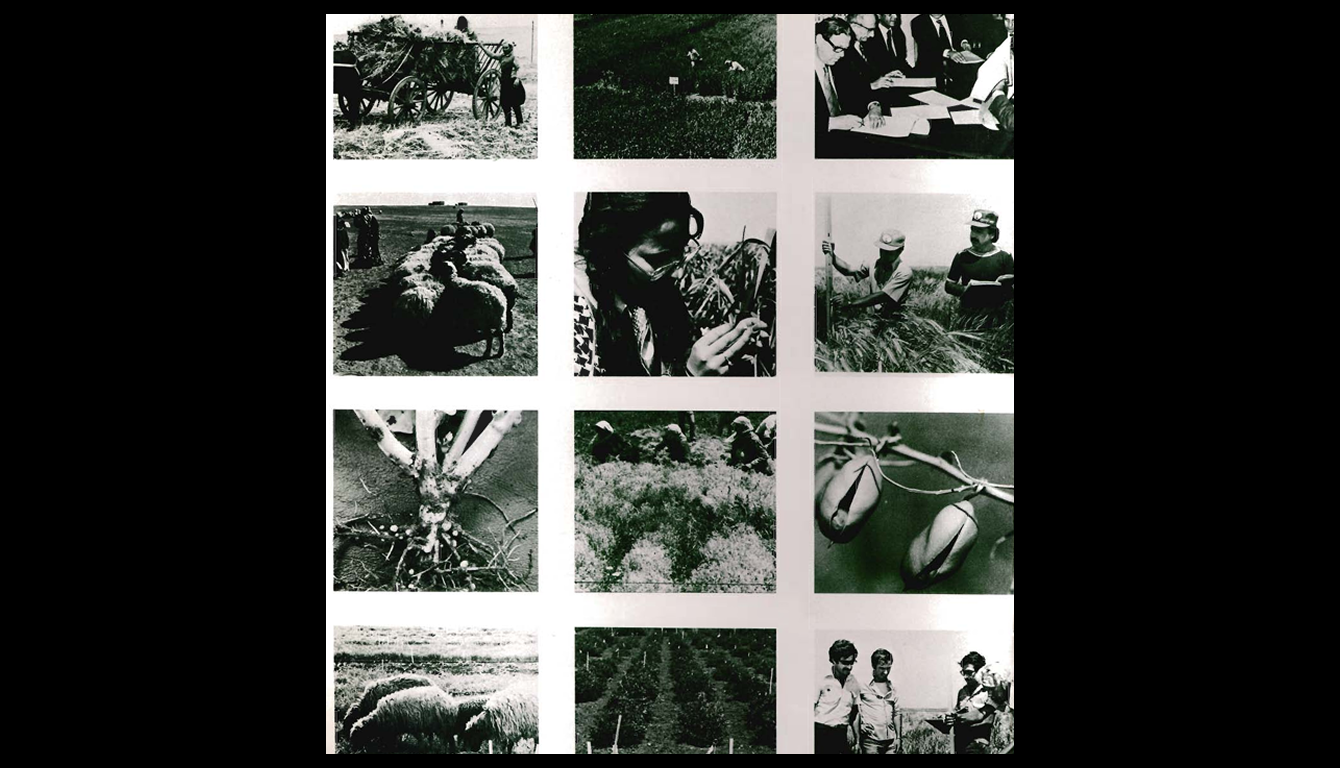 ICARDA Activities.
Farming Systems Take Center Stage
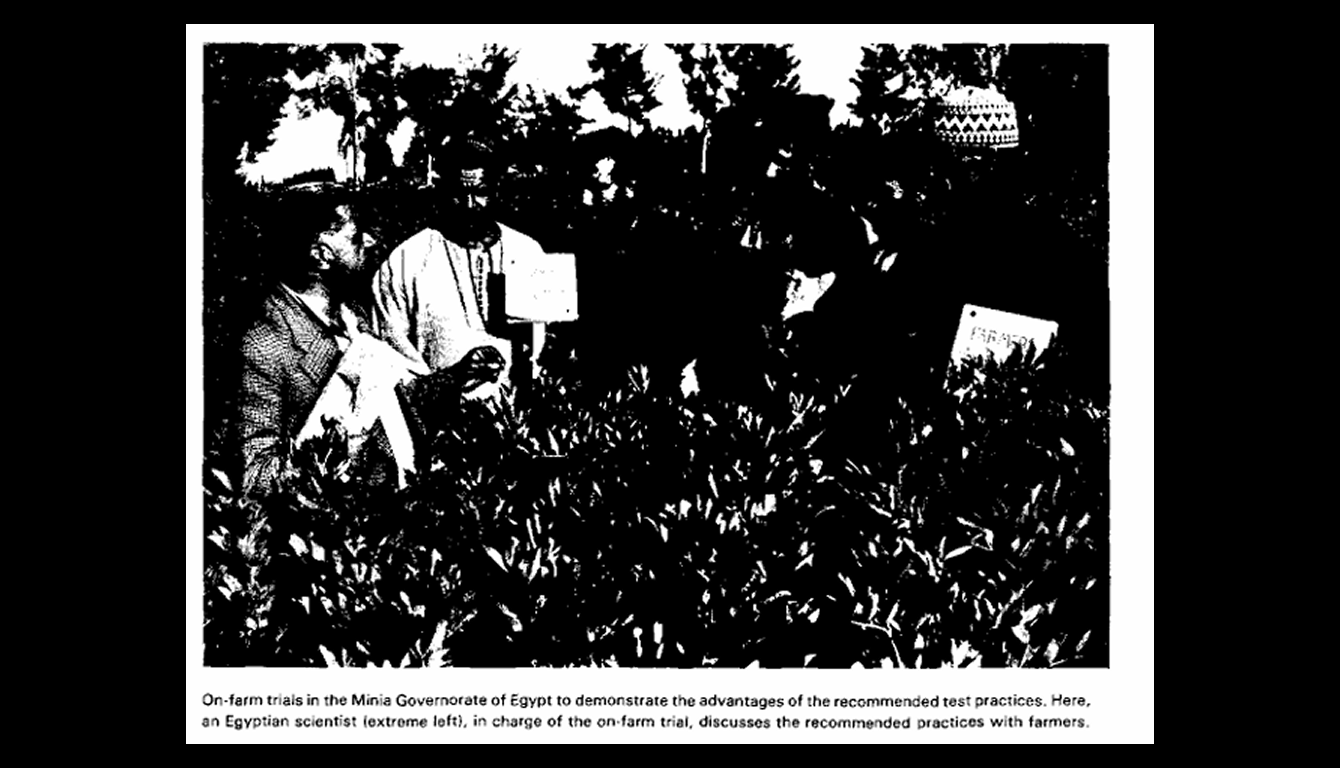
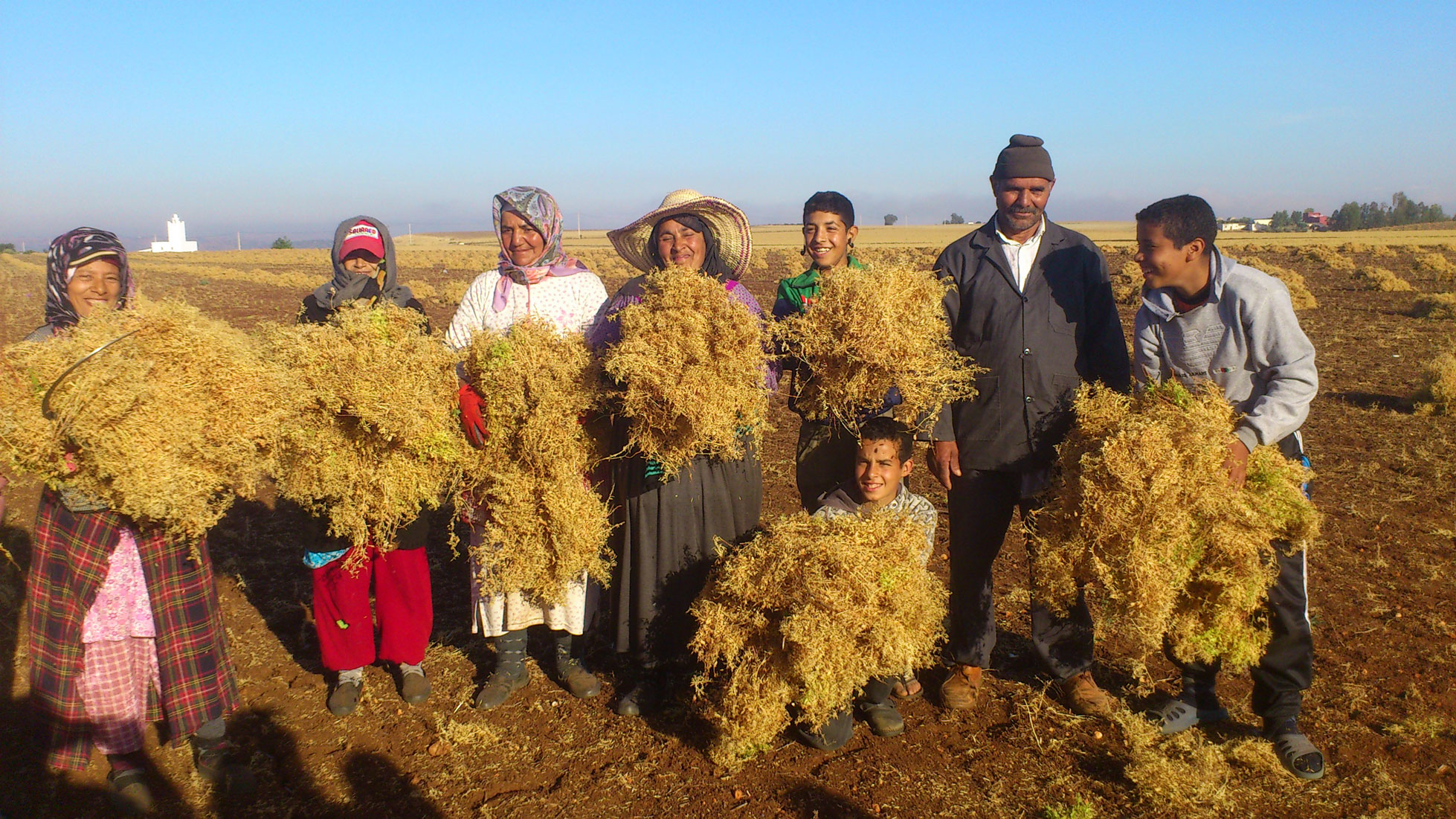
Departing from the traditional top-down model of “technology transfer,” ICARDA prioritized research on farming systems. On-farm trials, crop-livestock integration, and participatory methods became key to its approach, a departure that many others would later adopt.
Country Offices
in the 70s



1977
Headquarters in Syria and country offices in Jordan and Lebanon established, laying the groundwork for ICARDA’s early regional operations.

1978
New offices opened in Egypt and Sudan, expanding ICARDA’s reach across the Nile Basin.