Enhancing Food Security in Arab Countries
2011 - 2023
Project Highlights

Yield Improvements: Released 12 improved wheat varieties, adopted across 38% of wheat areas in five countries, boosting productivity by ~30% and increasing annual wheat production by 652,153 tons.

Country Successes: Boosted crop yields, produced 1,930 tons of quality wheat seed, conserved 7.4 billion m³ of water, and expanded seed production across participating countries.

Food Loss & Waste: Post-harvest wheat losses can be significantly reduced through the project’s recommended policy, institutional, and technological changes.

Economic Impact & ROI: Every US$1 generated US$46 in Morocco, US$21 in Egypt and Tunisia, US$17 in Sudan, and US$13 in Jordan.

Capacity Building & Knowledge Transfer: Over 128,000 people (71% women) were trained, 80 young scientists gained hands-on research experience, and 23 scientific papers were published
Project Summary: A Regional Success

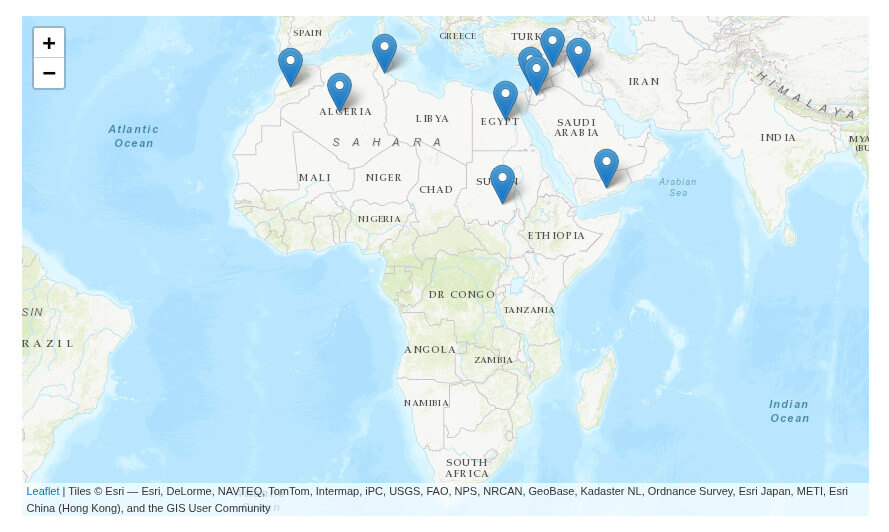
The Enhancing Food Security in Arab Countries (EFSAC) Project (2011–2023) was a regional initiative to boost wheat-based food security across 10 Arab countries —Algeria, Egypt, Iraq, Jordan, Morocco, Palestine, Sudan, Syria, Tunisia, and Yemen — in response to the 2008 global food crisis. Arab countries are among the most import-dependent countries in the world, importing at least 50% of the calories they consume, including up to 30% of the world’s globally traded wheat supply. The EFSAC project’s main objective was to boost agricultural productivity whilst maintaining the precious natural resource base through sustainable intensification of wheat-based production systems, thereby reducing the substantial costs of imports and dependence on external food sources.
The project implemented wheat technology packages made up of improved wheat varieties packaged with good agronomic practices, irrigation, and land preparation technologies and innovations across the regions three typical production systems: rainfed, supplementally irrigated, and irrigated.
Key Achievements & Impacts
Yield Improvements
Germplasm distribution and variety release:
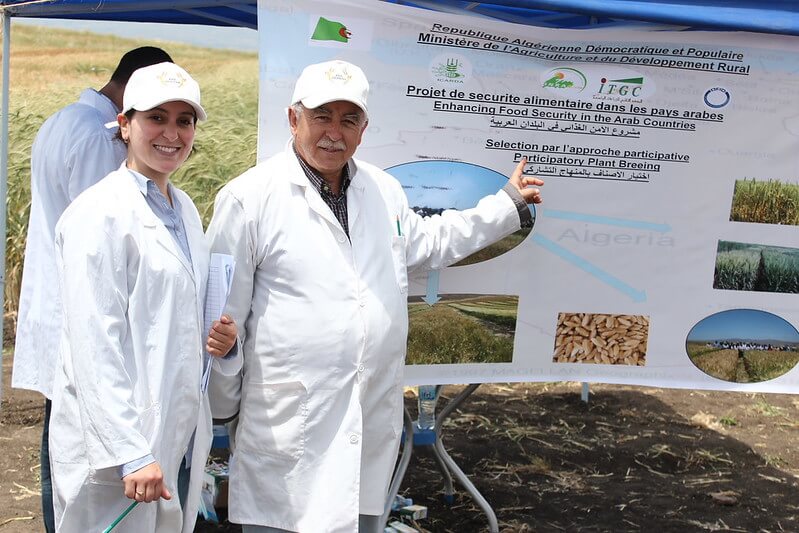
Elite wheat germplasm with resistance to biotic and abiotic stresses was distributed to national programs and evaluated in a participatory approach. More than 12 wheat varieties were released in the project member countries: 5 in Sudan, 2 in Morocco, 2 in Syria, 2 in Egypt, and 2 in Iraq.
Adoption of improved wheat varieties and at least two other technologies in Egypt, Jordan, Morocco, Sudan, and Tunisia reached about 38% of the total wheat area in these countries.
Wheat productivity increased by 30% in rainfed systems and by 29% in under-supplemented and fully irrigated systems across participating countries.
In the five sample countries alone, the project increased wheat production by 652,153 tons per year.
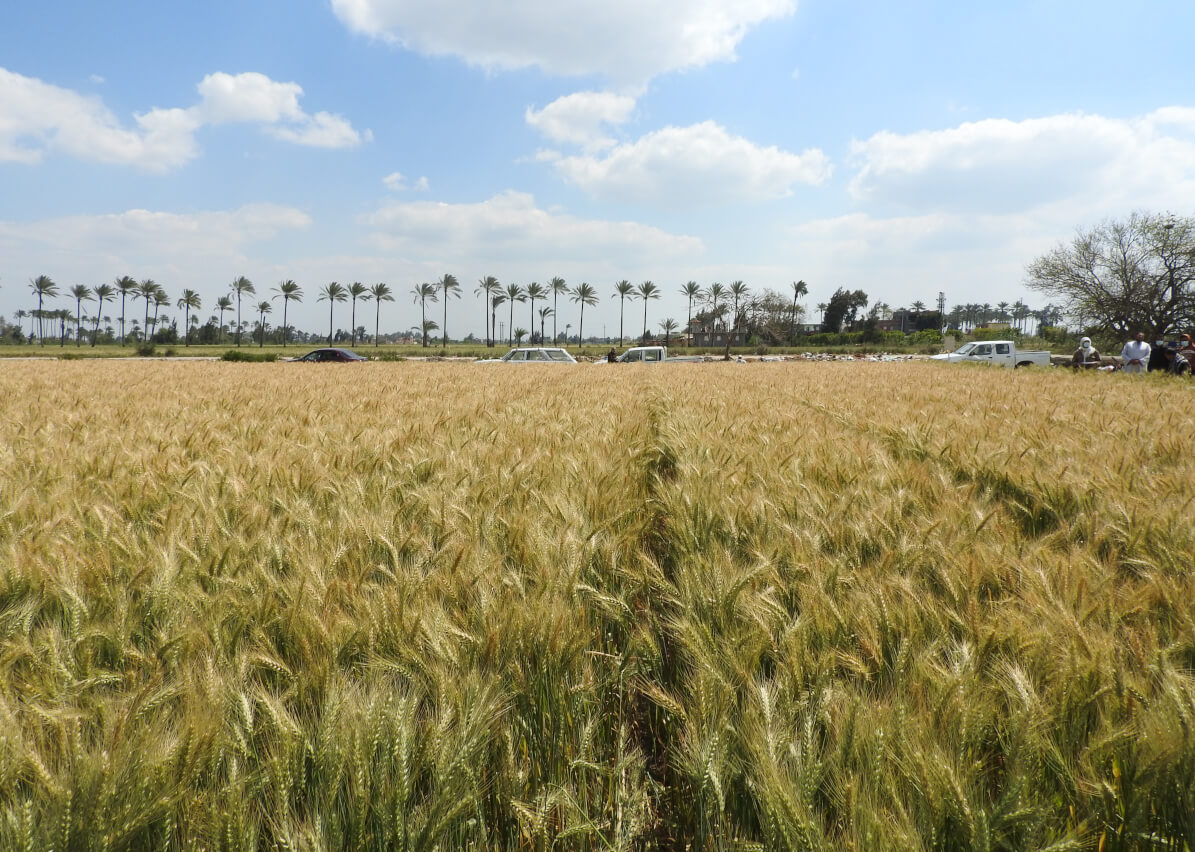
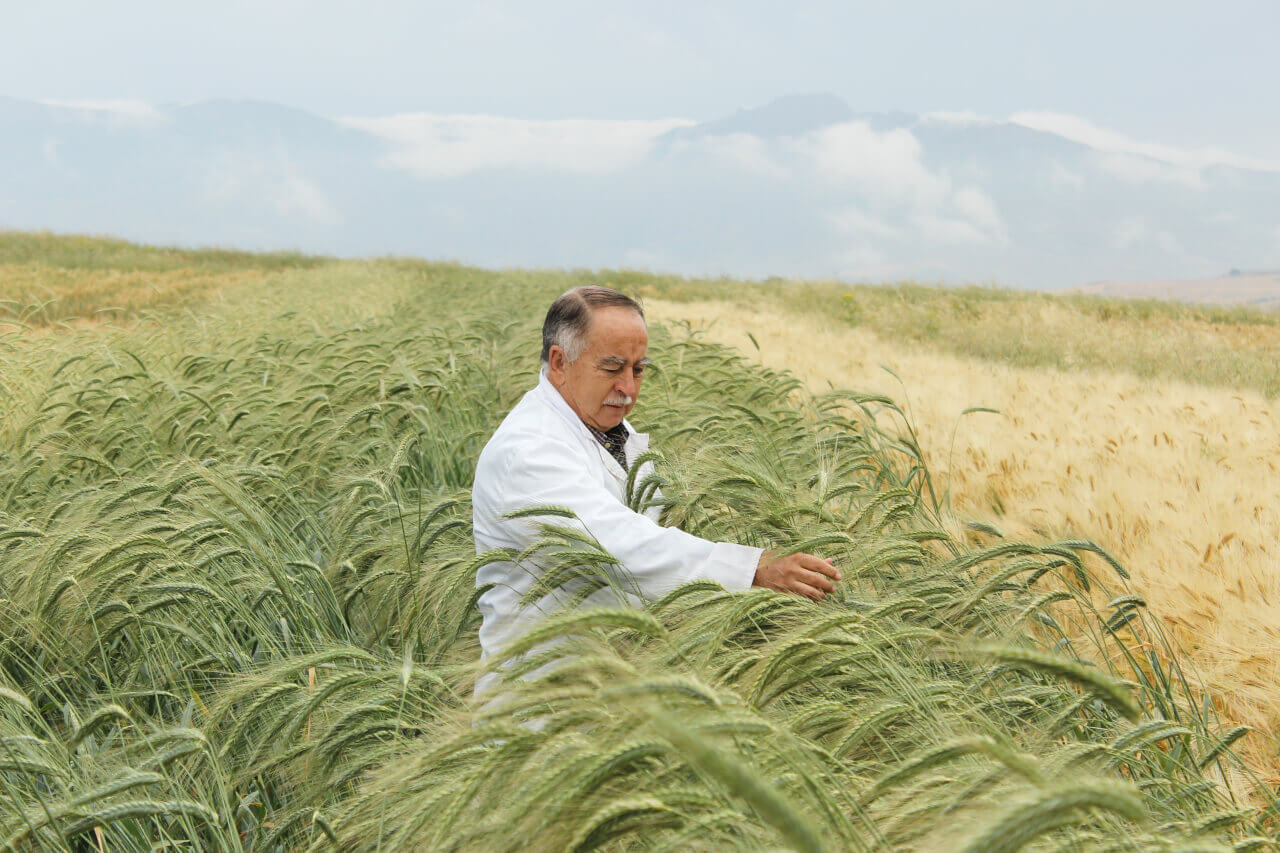
Demonstration and scaling improved wheat varieties and best agronomic practices resulted in significant production gains.
Food Loss & Waste
Post-harvest losses along the wheat value chain were 20.6% in Egypt, 36% in Morocco, and 34% in Jordan, which can be substantially reduced with the policy, institutional, and technological changes identified by the project.
Economic Impact & Return on Investment
For every US$ 1 invested, the project generated:





Additional Resources:
- AFESD/KF/BMGF/OFID Support for Enhancement of Food Security in the Arab Region, Phase II
- Coalition of donors committed to enhancing food security in Arab Countries
- A Monumental Food Security Project Concludes after 12 Years
- Enhancing Food Security Project in Arab Countries 2011-2023
- Enhancing Food Security in Arab Countries: Highlights on major achievements of the project, 2011–2023
- Enhancing Food Security in Arab Countries Project: Adoption and Impacts of Project Interventions and Returns on Investment in Egypt, Jordan, Morocco, Sudan, and Tunisia
- Enhancing Food Security in Arab Countries Project: Adoption and Impacts of Project Interventions and Returns on Investment in Egypt, Jordan, Morocco, Sudan, and Tunisia
- Project on Enhancing Food Security in the Arab Countries (EFSAC) : Overview of returns to investment
- Role of Sustainable Wheat Production to Ensure Food Security in the CWANA Region
- Approaches and Strategies for Sustainable Wheat Production
- Wheat Breeding Handbook at ICARDA
- AGRIS - Improving wheat production in the CWANA region
Meet the Donors and Partners