ICARDA at SIAM 2026

20 – 28 April 2026 | Meknès, Morocco – ICARDA participated in the 18th Salon International de l’Agriculture au Maroc (SIAM), one of Africa’s largest agricultural fairs, which attracted more than a million visitors from 76 countries.
Held under the theme “Durability of Animal Production and Food Sovereignty,” SIAM 2026 brought together farmers, researchers, policymakers, and international partners to tackle one of the region’s most urgent questions: how to produce more food with fewer resources under growing climate pressures.
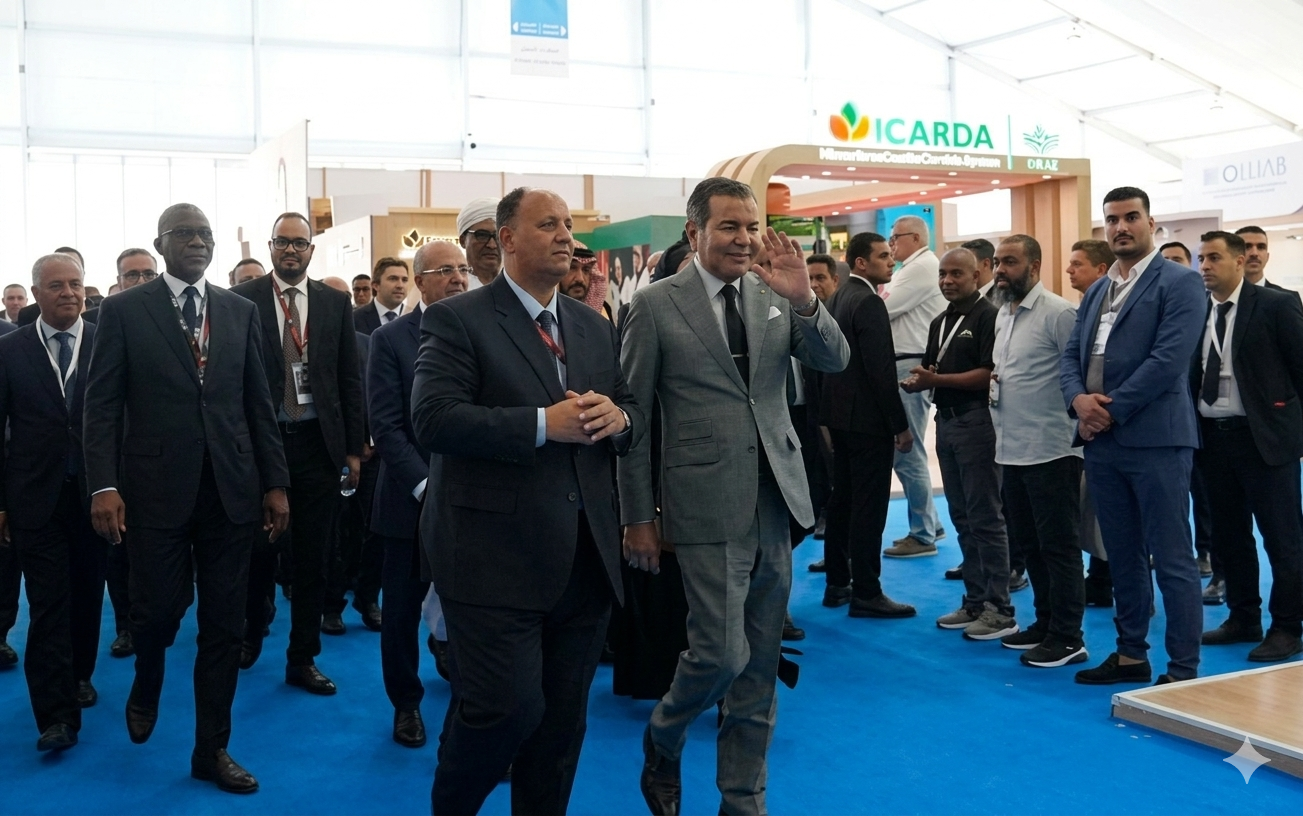
For eight days, ICARDA’s booth served as a lively hub for farmers, government officials, researchers, and visiting delegations from Portugal, Ethiopia, the Ivory Coast, and beyond. Representatives from the Australian and Norwegian embassies also stopped by to explore ICARDA’s work and discuss the practical, scalable innovations helping farmers build resilience in the drylands.
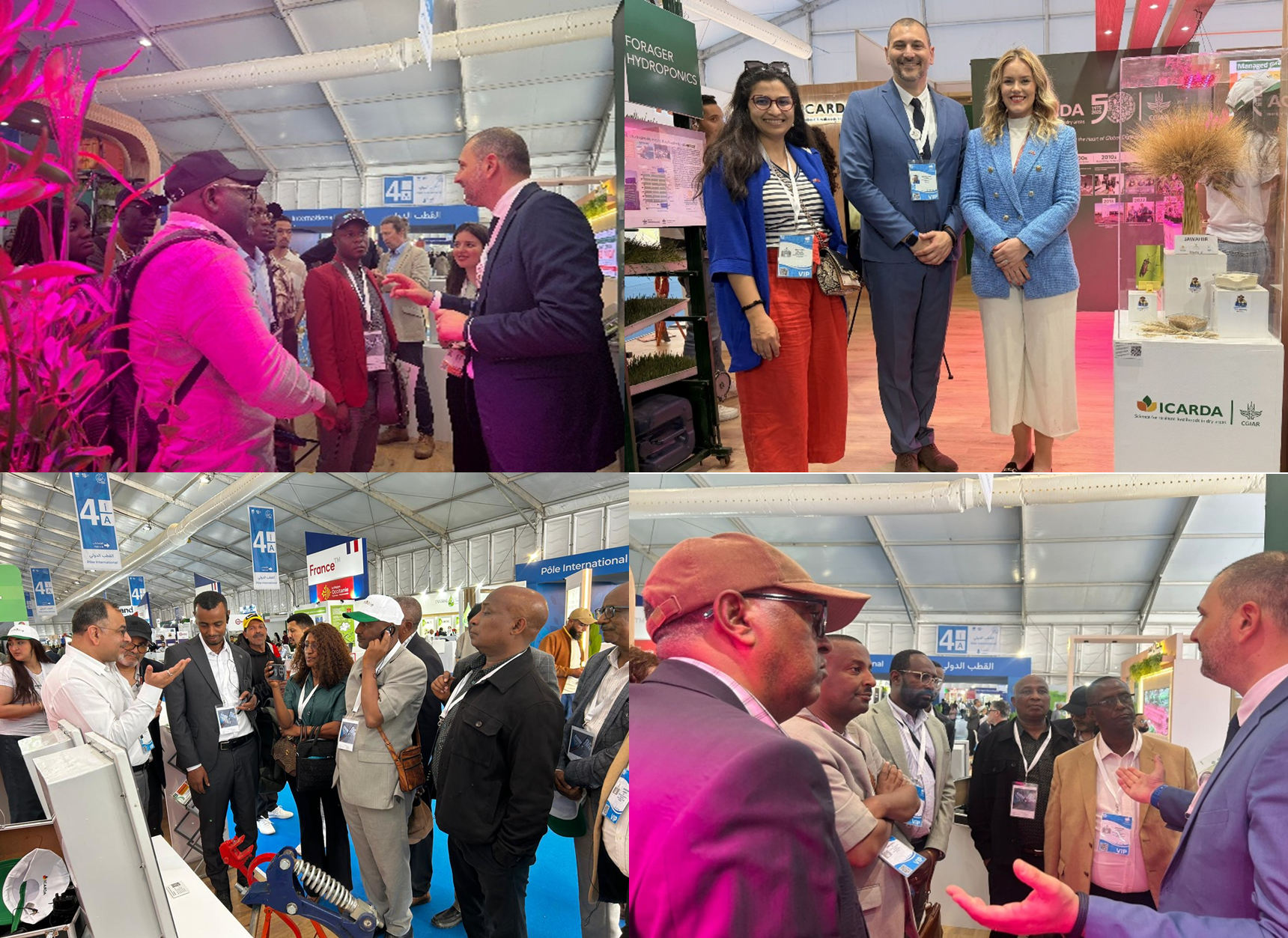
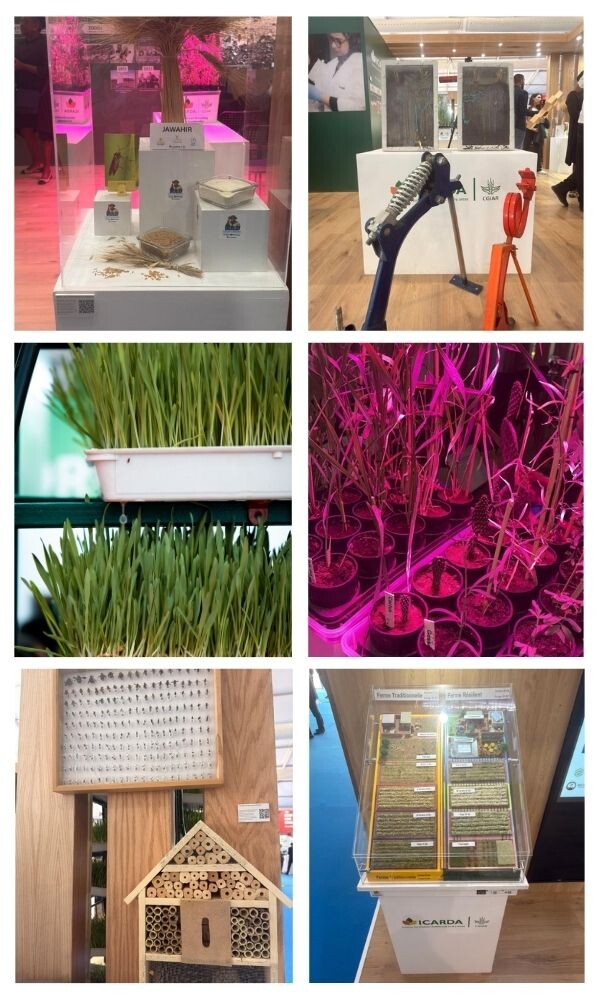
ICARDA’s booth was set up as a miniature working field, where visitors moved through a series of hands-on displays showcasing what climate-smart agriculture looks like in practice.
They compared soils side by side under conventional and conservation agriculture, seeing firsthand what improved soil structure and moisture retention can mean in the field. They explored “Jawahir,” a drought-tolerant durum wheat variety bred to withstand increasingly erratic rainfall. They also saw the “Forager” hydroponic system producing fresh fodder with minimal water and live plant displays from the African Breeding Accelerator, showing how crops can reach near-maturity in just five weeks.
ICARDA also introduced visitors to a resilient farming model built around rainwater harvesting, improved crop varieties, productive biodiversity oases, and integrated crop–livestock systems to increase yields while using fewer resources.
A display of wild pollinators drew particular attention, highlighting their vital role in crop production and spotlighting ICARDA’s Farming with Alternative Pollinators (FAP) approach, which boosts both biodiversity and farm productivity.
Beyond the science exhibitions, in-depth discussions and knowledge exchange took place through short expert presentations, followed by strategic input from value chain experts and policymakers. ICARDA’s booth provided an institutional setting for formalising key partnerships, including the signing of strategic agreements.
On April 21, ICARDA and the Australian Centre for International Agricultural Research (ACIAR) signed a new partnership with Southern Cross University for the project “Enhancing Beekeeping and Pollination Industry Research and Partnerships in Morocco and Ghana.”
The initiative aims to strengthen the beekeeping sector in Morocco, Ghana, and Australia while supporting sustainable livelihoods, food security, and climate resilience.

From left to right: Dr. Vinay Nangia, Soil, Water, and Agronomy team leader at ICARDA and H.E Damien Donavan, Australian Ambassador to Morocco
“Today at SIAM, we celebrated a new partnership between ICARDA and Southern Cross University on beekeeping and pollination—another strong example of the long-standing collaboration between Australia and ICARDA, supported by Australian institutions, research partnerships, and strong people-to-people links, which we look forward to deepening in the future.” - Damien Donovan, the Australian Ambassador to Morocco
The signing was followed by a panel on sustainable crop–livestock systems in drylands, where the practical value of integration was emphasised.
“With proper crop–livestock integration and managed grazing, conservation agriculture can support both soil health and livestock productivity. Seasonal grazing can also contribute to weed control and reduce reliance on herbicides, supporting more sustainable production systems.” – Dr. Mina Devkota, Senior Agronomist, ICARDA
On April 22, the AMAC (Association Marocaine de l’Agriculture de Conservation ) Annual Meeting brought together key stakeholders, including representatives from Institut National de la Recherche Agronomique (INRA), Office National du Conseil Agricole (ONCA), Agence pour le Développement Agricole (ADA) , and Tourba, to assess seasonal progress and discuss pathways to achieving Morocco’s ambitious target of one million hectares under conservation agriculture by 2030.
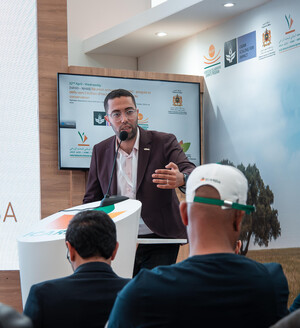
“We are living in a time of climate change, where we might see heavy rains or potential droughts. While we received over 750 millimeters of rain in regions like Rehamna this year, we don't know if the same amount will fall next year. To adapt to these conditions, farmers working with large-scale crops—cereals, legumes, and oilseeds—must adopt sustainable agricultural practices like conservation agriculture.” – Eng. Achraf Noujoum, Lead Agronomist at Tourba
Agroecology was in focus on April 23 in a session convening partners from École Nationale d’Agriculture de Meknès, INRA, ADA, and the European Union to discuss what agroecological transition should look like in Morocco and the role of ancestral knowledge in it, as well as the importance of resilient farmer-managed seeds and short value chains in building living, sustainable territories.
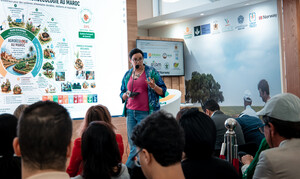
“Agroecology is the future of Moroccan agriculture. We met with the most active actors to provide a definition for it that reunites us all: Agroecology mobilizes agronomic and social innovations to build short value chains that redistribute profits more equitably to rural communities, strengthen their resilience, and protect the environment – for the people and the planet” – Dr. Rachida Mehdioui, President, RIAM
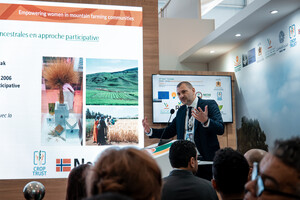
“Agroecology is helping nature to help us. By adopting the principles of conservation agriculture and ecology, we reduce the usage of chemical inputs, drive down costs, and match or increase productivity, while increasing carbon fixation. All made possible thanks to innovation. An innovation like the ‘Jawahir’ variety, derived from ancient grains and developed with farmers through a participatory approach, offers real support to Moroccan farmers facing severe droughts.” – Dr. Filippo Bassi, Principal Investigator – Genetic Innovation, ICARDA
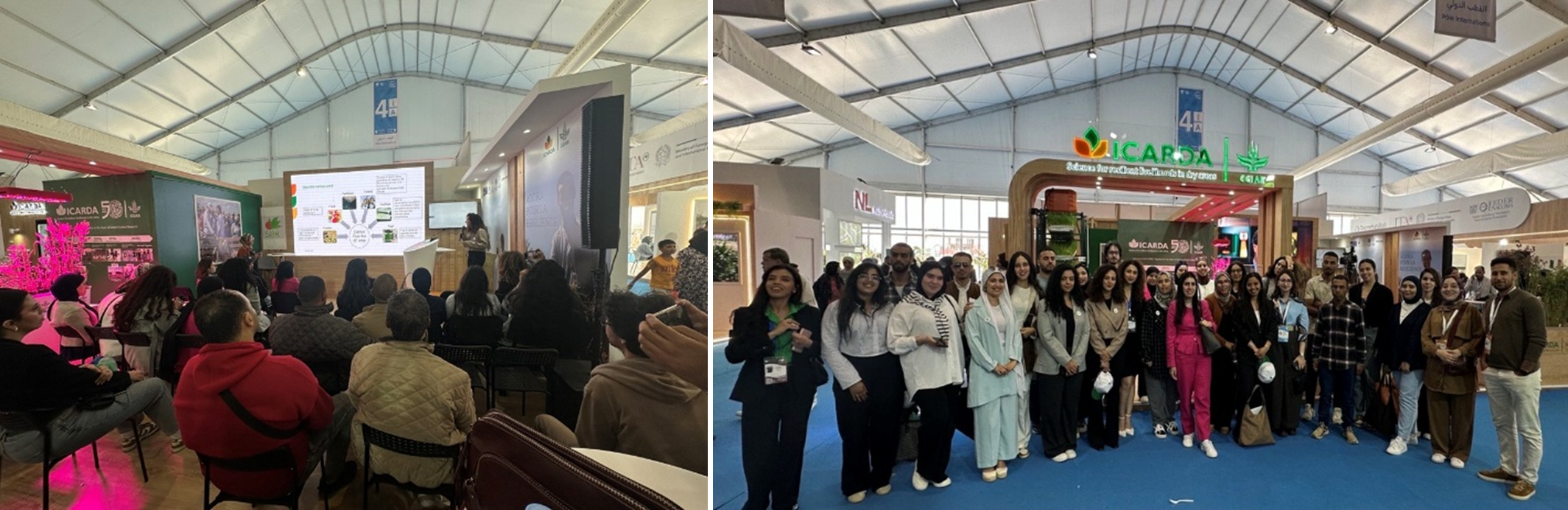
SIAM also made room for those who will shape what comes next. At the ICARDA-hosted event, “Young scientists group: innovating Moroccan agriculture toward food sovereignty,” co-organized with INRA, FAO, UM5, UM6P, IAV, and UMONS , young scientists presented innovative work aimed at strengthening the resilience and sovereignty of Moroccan agriculture.
ICARDA’s participation at SIAM concluded on April 27 with the announcement of the fifth phase of the Morocco Collaborative Grant Program (MCGP) between ICARDA and INRA.

From left to right: Dr. Augusto Becerra, Deputy Director General – Research, ICARDA; Prof. Lamiae Ghaouti. Director General of INRA.
The signed commitment between ICARDA and INRA marks a new chapter in a long-standing collaboration built on shared ambition and impact.
“We see partnership with ICARDA as an integral part of INRA, working as one team. By investing in this collaboration, we are accelerating progress and maximizing impact. Together, we move faster, achieve more, and create real impact.” – Prof. Lamiae Ghaouti. Director General, INRA
SIAM 2026 was a working demonstration of what progress looks like when science is practical, partnerships are strong, and innovation is shaped around farmers’ needs.
For ICARDA, it was an opportunity to do what it does best: bring research closer to the field, connect science with policy, and help build more resilient dryland food systems in Morocco and beyond.