National Workshop Sets Priorities for Ethiopia’s Small Ruminant Sector

November 17, 2025 | Addis Ababa, Ethiopia - Policymakers, researchers, universities, development partners, and private actors gathered for a national workshop on Small Ruminant Value Chain Transformation (SmaRT).
The workshop, organized by ICARDA in collaboration with the Ministry of Agriculture, the Ministry of Labor and Skills, and the Livestock Development Institute (LDI), brought together decades of field experience and the latest research to review progress, challenges, and priorities for strengthening Ethiopia’s sheep and goat sector.
H.E. Dr. Fikru Regassa, State Minister of Livestock and Fisheries Resource Development Sector at the Ministry of Agriculture, H.E. Dr. Solomon Soka, State Minister Labor, Employment, and Market Sector at the Ministry of Labor and Skills, and ICARDA’s Director General, Aly Abousabaa, along with senior representatives from universities, research institutions, LDI, regional bureaus of agriculture, CGIAR centers, development partners, and the private sector, attended the workshop.
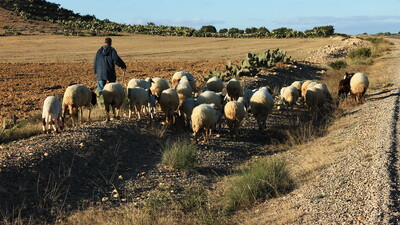
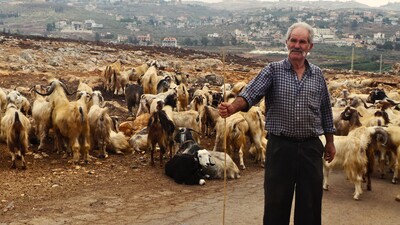
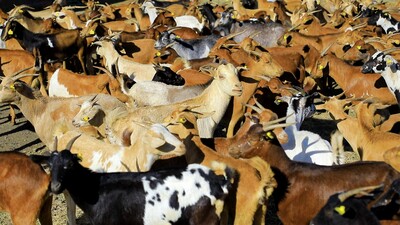
Ethiopia has one of the world’s largest and most diverse small ruminant populations with more than 70 million sheep and goats, which are central to food security, incomes, and resilience against climate shocks. They also anchor a growing export sector, supplying meat and live animals to markets across the Middle East and beyond. However, the participants noted that the sector is yet to unlock its full potential.
A Sector Ready for Transformation
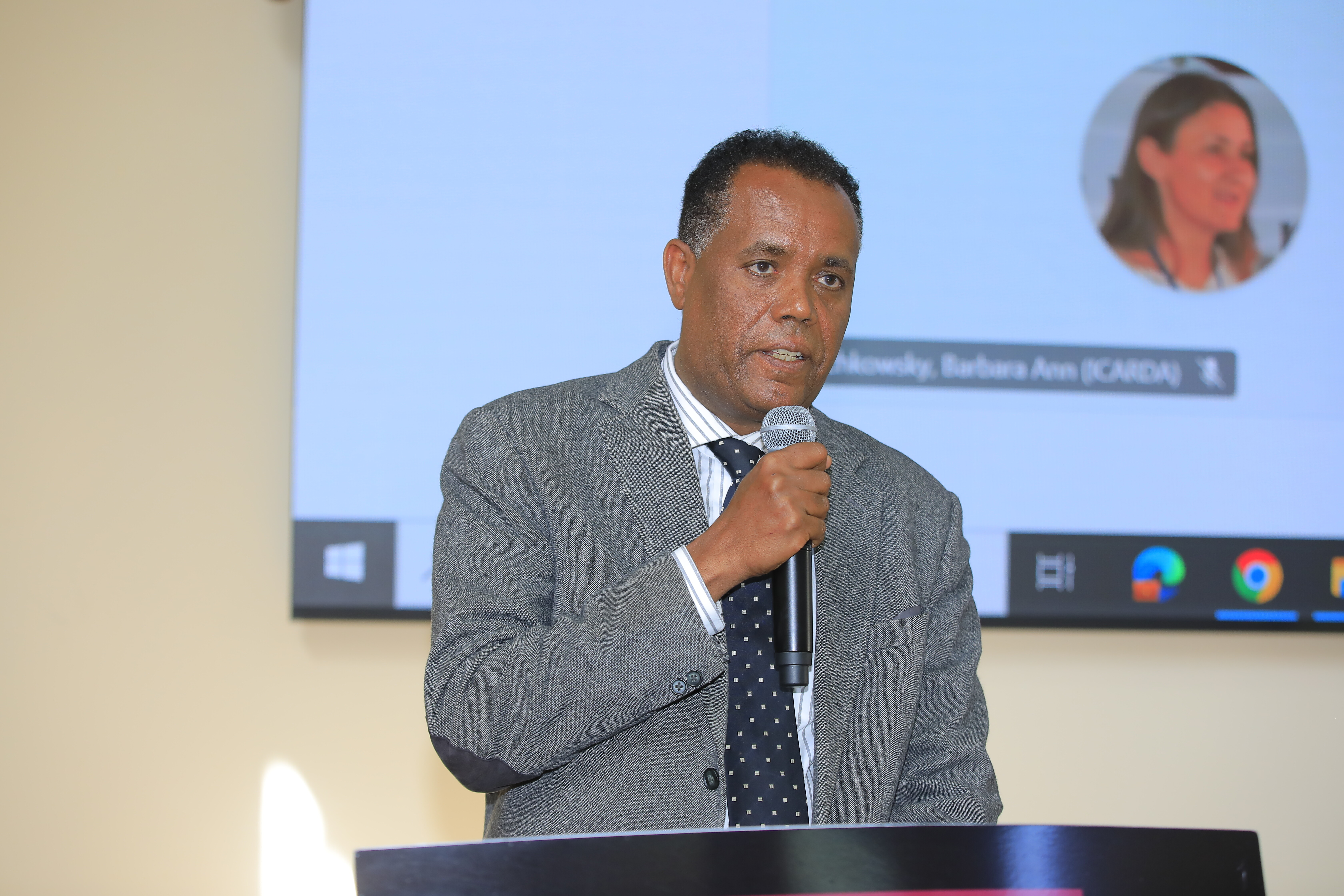
H.E. Dr. Fikru Regassa outlined the government’s renewed commitment to livestock as a driver of economic growth. He emphasized that small ruminants already account for the vast majority of Ethiopia’s livestock export earnings, and that boosting productivity and quality, particularly through genetic improvement, will be essential to expanding this share tenfold over the next five years.
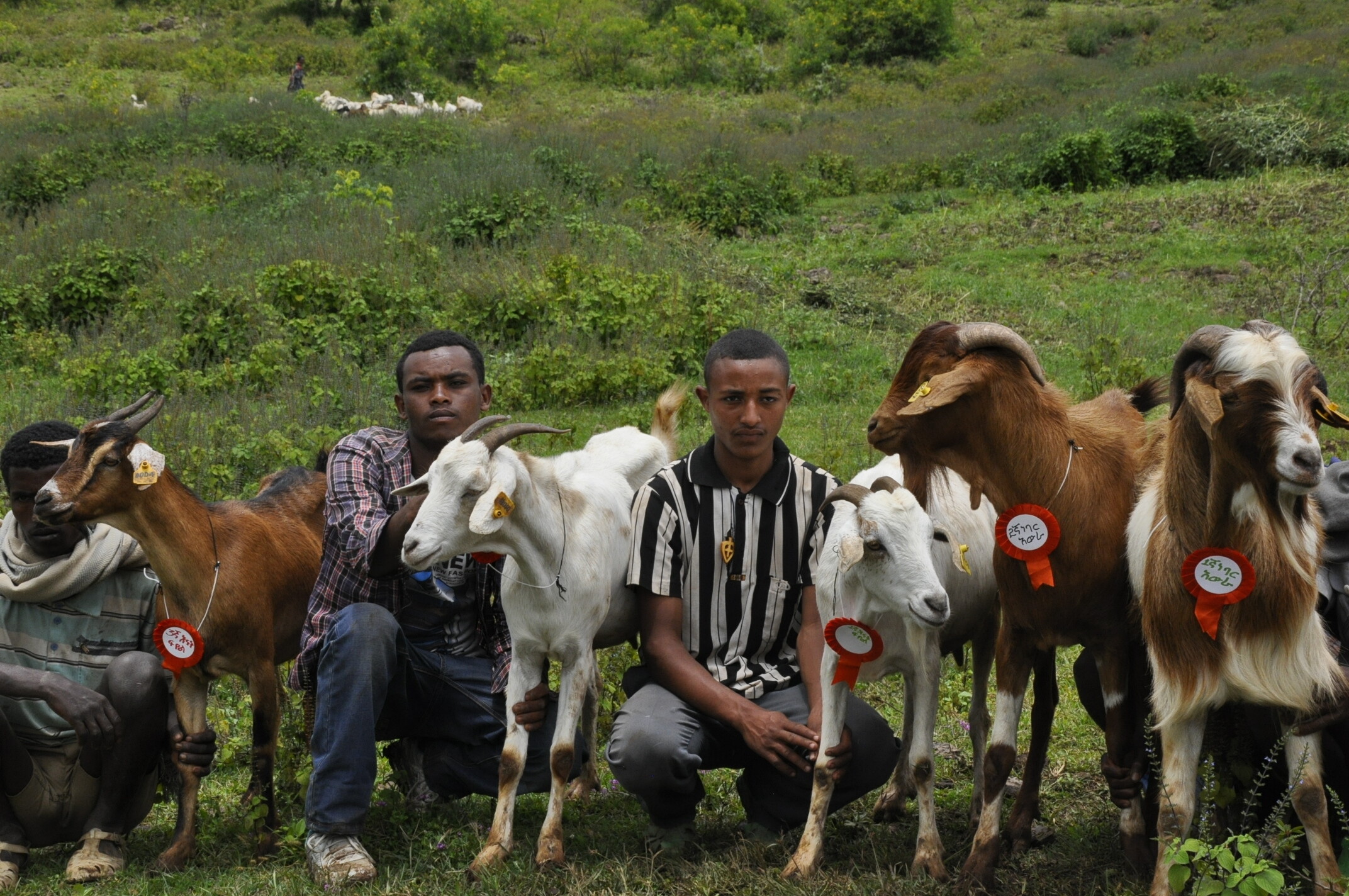
A key component of this effort is the Community-Based Breeding Programs (CBBPs), a home-developed, farmer-led approach that places breeding decisions directly in the hands of livestock keepers. Launched in 2009, the program has now spread to more than 260 communities and is widely recognized as one of Ethiopia’s most successful rural innovation stories, delivering faster-growing animals, better survival rates, and stronger local cooperatives.
Mr. Abousabaa, speaking virtually, stressed the value of long-term collaboration. Ethiopia, he noted, has been a central partner in ICARDA’s 50-year history, and the progress seen in small ruminant improvement is the result of this sustained partnership. He also highlighted the need for strong policies and institutions to ensure that technological innovations translate into real gains on the ground.
A Deep Dive into the Science – and the Reality on the Ground
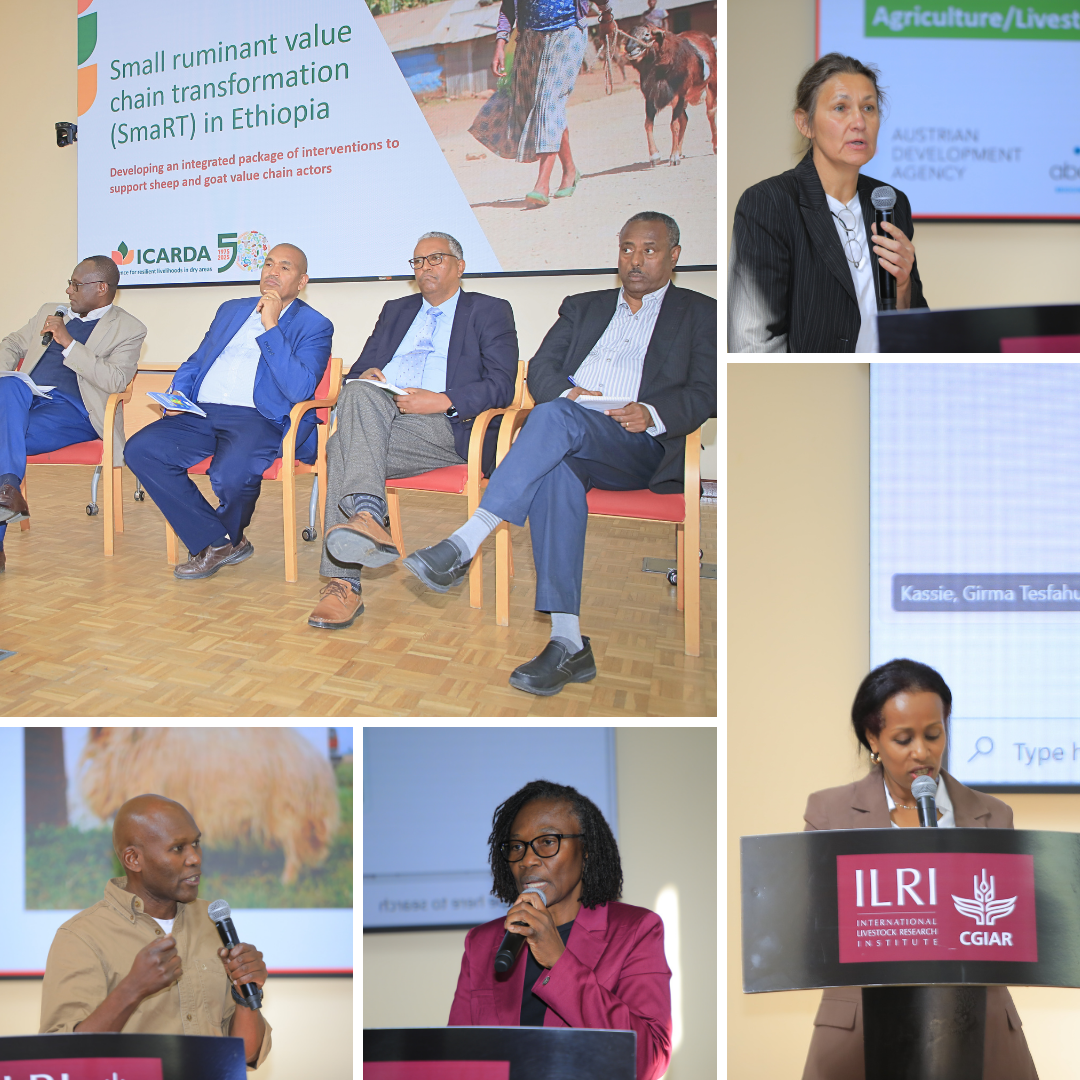
The workshop offered a rare opportunity to hear, in one place, the breadth of scientific advances that have emerged from ICARDA’s SmaRT work, resulting in the SmaRT Pack model. Presentations covered genetic improvement (and the remarkable diversity of Ethiopia’s indigenous breeds), reproductive technologies that bring high-tech tools to rural areas through mobile laboratories, feed and forage innovations, and market studies that reveal bottlenecks.
What emerged was a picture of a sector that has made substantial progress, even as key challenges remain. Participants highlighted recurring issues, including feed shortages in drought-prone areas, drug-resistant parasites, inconsistent taxation across regions, and limited data to meet specific export requirements. These insights sparked lively discussions and grounded the workshop’s strategic sessions in the day-to-day realities farmers and businesses face.
Youth, Jobs, and a New Wave of Opportunity
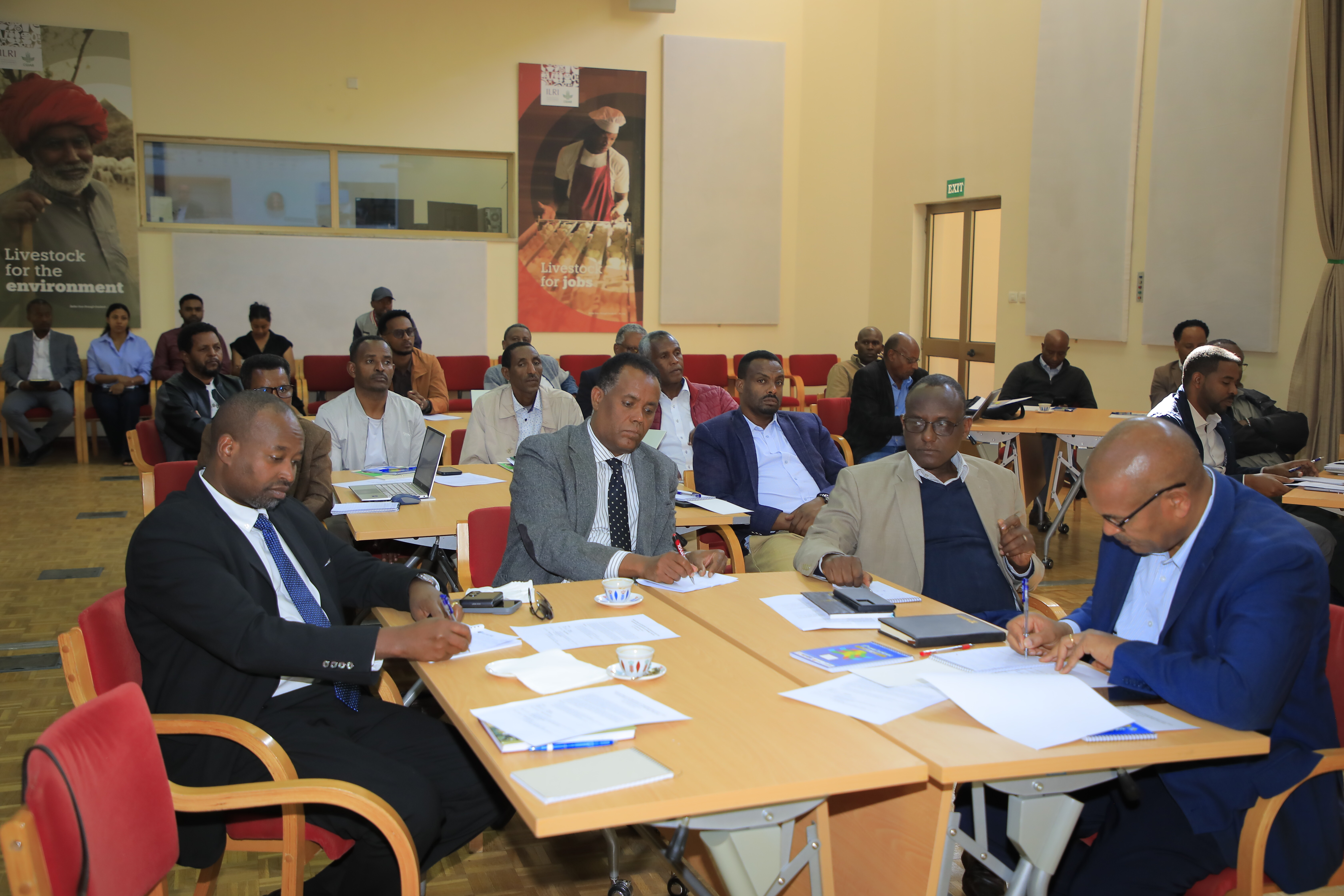
H.E. Dr. Solomon Soka emphasized that the livestock sector is not only about production but also offers opportunities for skilled and semi-skilled jobs, such as feed processing and artificial insemination, as well as cooperative management, fattening, marketing, and transport services. He also added that the Ministry’s “One Village One Product” initiative aligns closely with the CBBP approach, creating natural clusters for youth and women entrepreneurs.
ICARDA’s work with women and youth fattening groups, many of which are now formalized as cooperatives, shows how job opportunities begin to materialize when improved technologies, technical and entrepreneurial training, and markets come together.
Looking Ahead: A Shared Vision
Key takeaways included:
Ethiopia’s indigenous sheep and goat breeds are a national treasure and remain central to the sector’s development, with farmer-led breeding as a proven pathway.
Scaling CBBPs will require coordinated action across ministries, universities, research institutions, regional bureaus of agriculture, and development partners.
Clearer and more accessible communication is needed to present small ruminants as viable business opportunities for youth.
Ethiopia’s small ruminant sector growth depends on strengthening skills, improving markets, reinforcing animal health systems, and preparing for climate variability.
Participants agreed to prioritize stronger national coordination for CBBP scaling, improved breeding–production–market linkages, and better alignment of research, extension, and private investment under a unified national framework.
The workshop concluded with consensus that Ethiopia now has the foundations, scientific evidence, community participation, youth and private-sector engagement, and supportive policies to accelerate the development of the small ruminant sector.
This workshop was supported by CGIAR's SAAF and AICCRA.
Contributors:
- ICARDA’s Resilient Agrosilvopastoral Systems Research Team.
- Sinkneh Eshetu, Consultant, ICARDA.