Breeding Durum Wheat – Together with Farmers

ICARDA and the Crop Trust are turning crop diversity into resilient durum wheat varieties by bringing farmers into the crop breeding process, bridging science and lived experience to better meet evolving agricultural challenges.
In the world of crop breeding, the most important work often happens long before a farmer ever plants a seed. At ICARDA, that work begins in the genebank, where thousands of wheat varieties, including ancient landraces and crop wild relatives, are conserved, studied, and transformed into ready-to-plant crops that can withstand the harsh realities of today’s climate.
Under the Crop Trust’s Biodiversity for Opportunities, Livelihoods and Development (BOLD) Project, ICARDA is taking this process one step further by bringing farmers directly into the heart of innovation.
The Reality Check for Crop Breeding
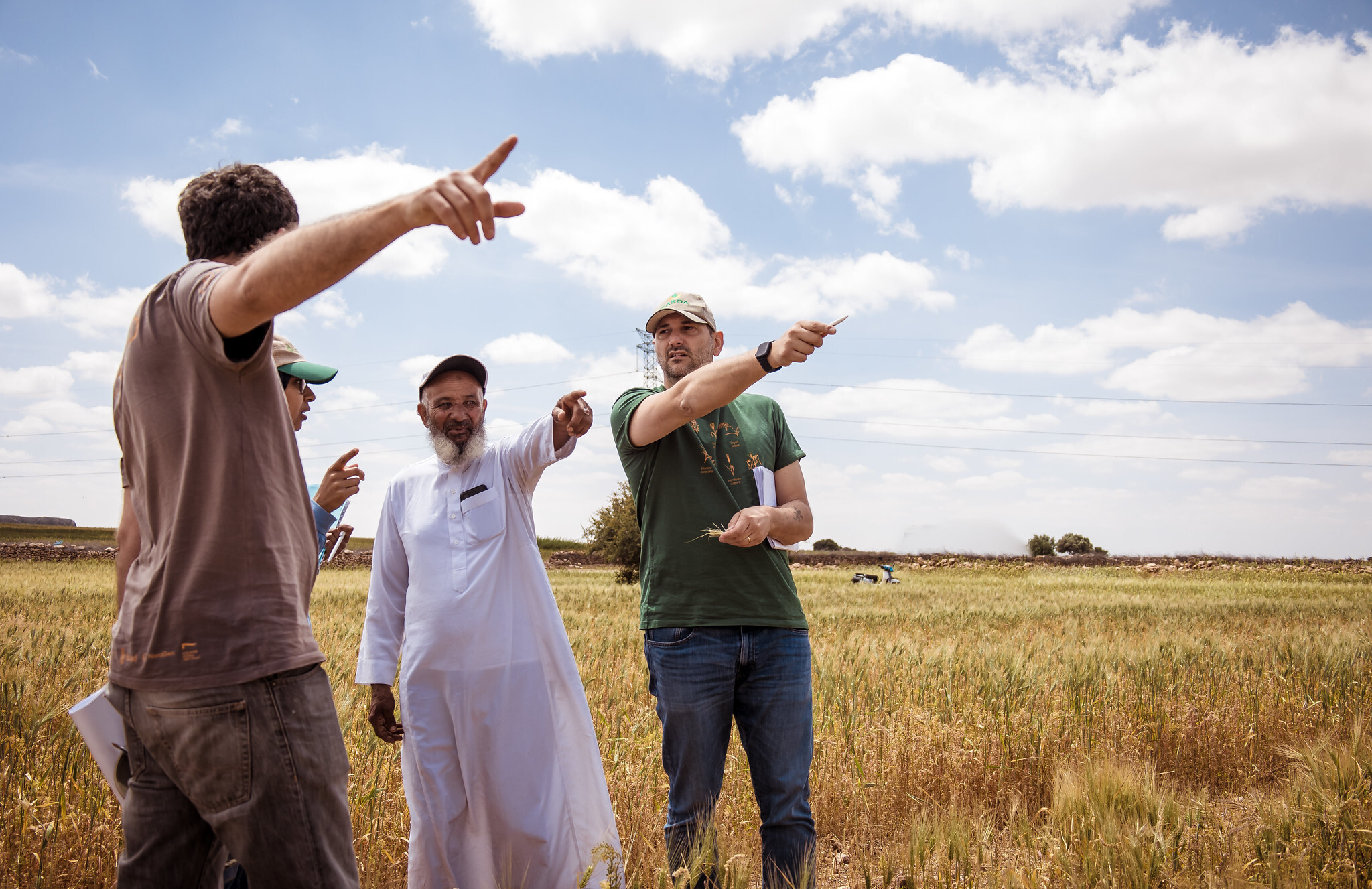
Developing climate-resilient crops is a long and complex process, especially when working with crop wild relatives. As ICARDA’s Filippo Bassi explains, it’s like trying to merge the strength of a “monster truck” with the efficiency of a “race car.” The potential is huge, but so is the risk.
Because of that complexity, early-stage breeding lines are rarely tested with farmers. They are too experimental, too resource-intensive, and often not yet “ready.”
Across many countries, there is a persistent gap between what breeders prioritize and what farmers actually need, resulting in varieties that perform well in scientific trials but fail to be adopted in practice.
Breeding Crops with and for Farmers
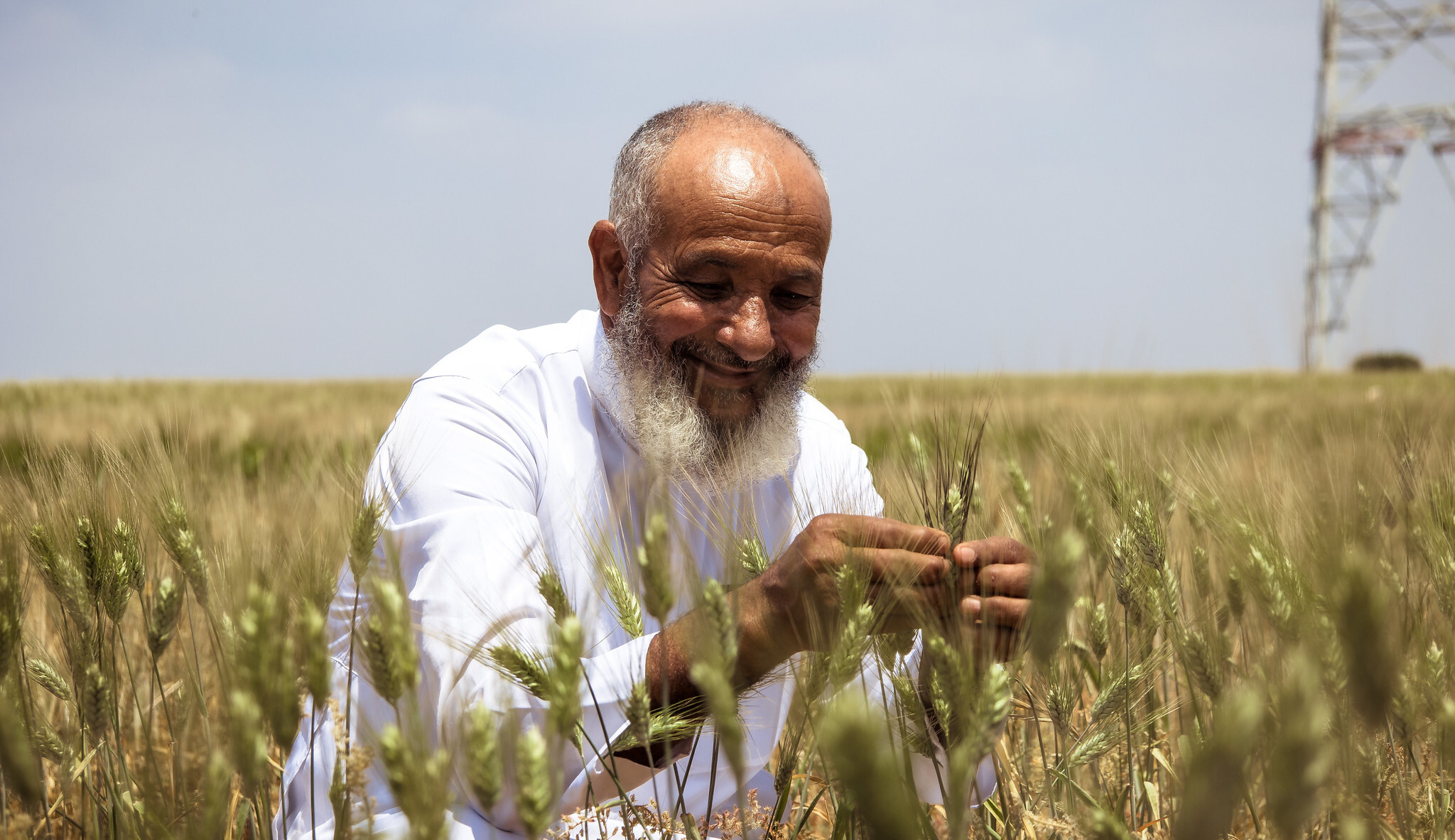
This is where BOLD changes the equation. With support from the Crop Trust, ICARDA has been able to scale participatory variety selection (PVS), bringing farmers into the evaluation of even early-stage, pre-breeding material derived from crop wild relatives.
In Morocco, this meant farmers planting candidate varieties directly in their own fields, comparing performance under real conditions, and choosing what worked best. Sometimes, the method is as simple as it sounds. For example, farmers place stones to show which varieties they prefer. Their selections reflect what matters most to them, such as yield, taste, resilience, and even the grain’s appearance.
In the process, farmers surfaced traits that breeders might overlook, such as flavor in traditional bread, suitability for dishes like couscous, or subtle preferences in spike shape and color.
From Field Trials to Real Impact
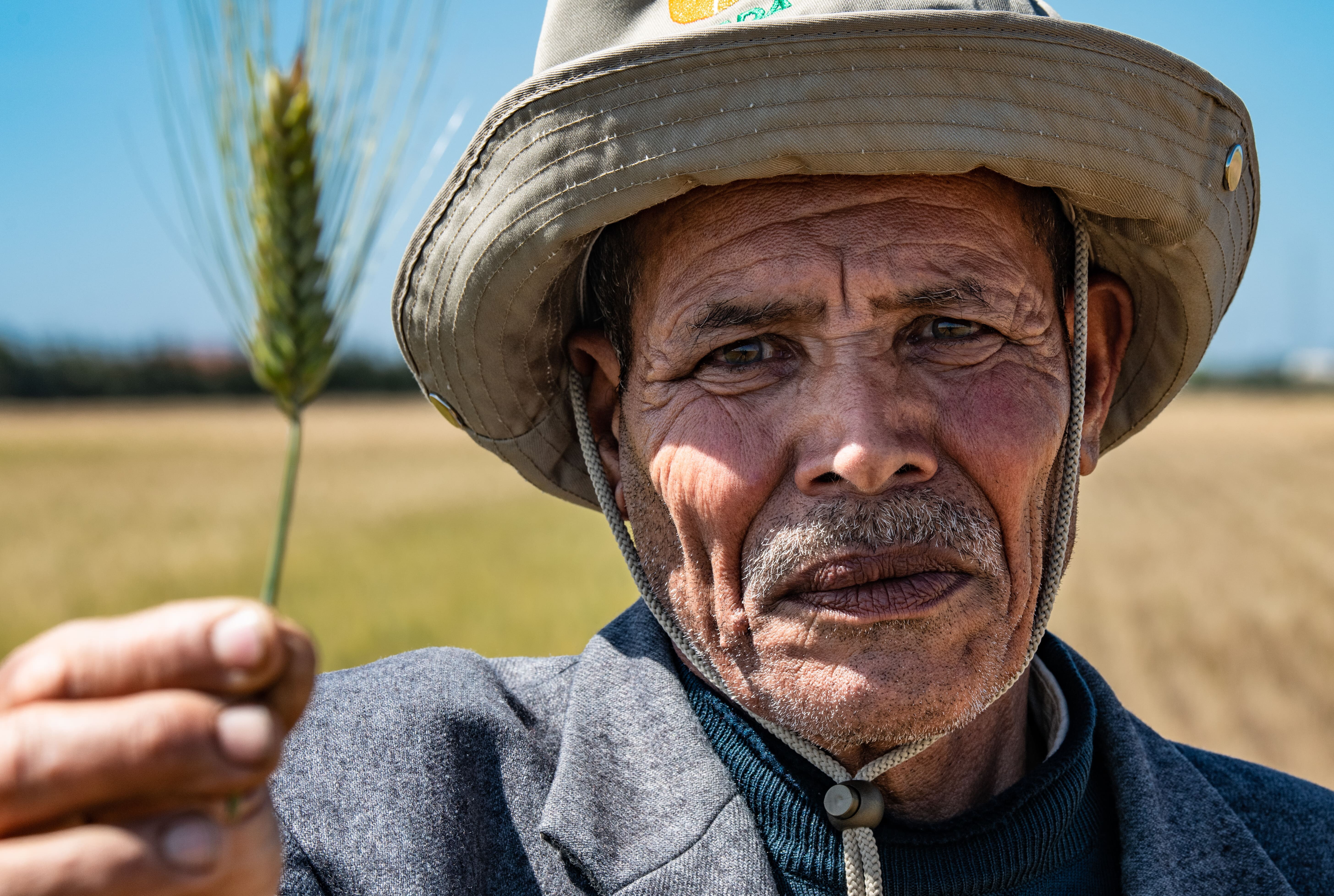
Through this collaborative approach, BOLD partners have successfully developed and released new durum wheat varieties such as Nachit, Jabal, and Jawahir, each more resilient to drought and harsh environments, and more likely to be adopted because farmers had a hand in their development.
The impact doesn’t stop there. Today, crop wild relative-derived varieties developed through this approach are being shared with over 30 countries, expanding the reach of genetic diversity far beyond their origin.
Making Crop Diversity Matter
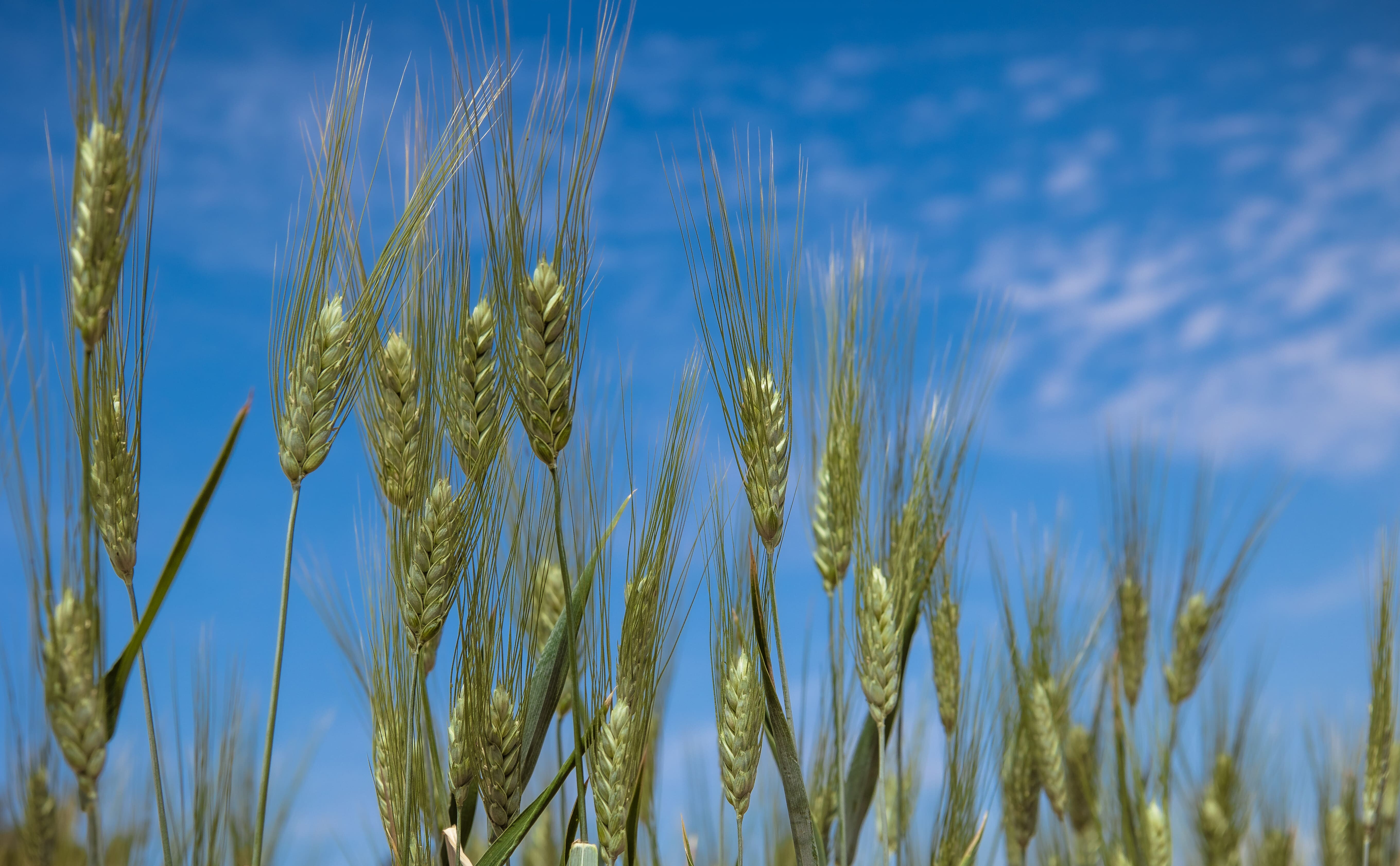
By connecting genebanks, breeding programs, and farmers’ fields, ICARDA and the Crop Trust are ensuring that genetic resources move beyond storage and into action, strengthening the foundations of resilient food systems, which are built seed by seed, season by season, in partnership with the farmers who bring them to life.
This story was originally published on the Crop Trust website and can be found here.