ICARDA Supports Genome Editing Uptake Through Science‑Based Communication Training
ICARDA Supports Genome Editing Uptake Through Science‑Based Communication Training
Start Date
April 26, 2026
End Date
April 30, 2026
Type
Training course
Location
Cairo, Egypt
Share
GEd Workshop Group Photo
26–30 April 2026 | Cairo, Egypt — ICARDA, in collaboration with the Agricultural Research Center (ARC), Agricultural Genetic Engineering Research Institute (AGERI), and the Academy of Scientific Research and Technology (ASRT), supported the National Biotechnology Network of Expertise (NBNE) in organizing a five-day training workshop titled “Fundamental Applications of Genome Editing and Its Regulation.” The training focused on building technical expertise and strengthening science communication, highlighting the role of evidence‑based dialogue in the responsible use of agricultural biotechnology and in enhancing public confidence in emerging technologies.
The workshop brought together scientists, policymakers, regulatory authorities, media professionals, and farmers to explore how genome editing can support Egypt’s agricultural priorities. The workshop kicked off with a plenary session supported through the Consortium for Red Palm Weevil Control (C4RPWC) program, funded by the UAE International Affairs Office (IAO) of the Presidential Court and the Gates Foundation.
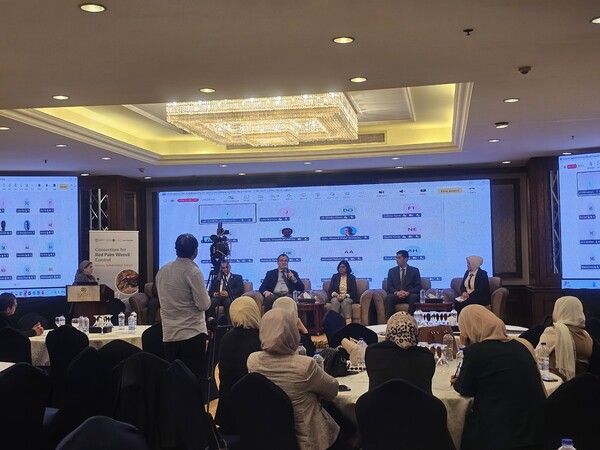
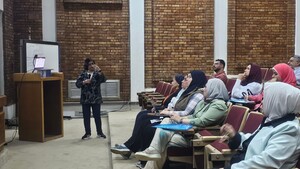
A snapshot of the panelists at the plenary session while discussing the importance of science communication
The session focused on the role of clear and credible communication in shaping public understanding of genome editing and genetically modified crops. Speakers stressed that public concerns often arise from limited or unclear information rather than from science itself.
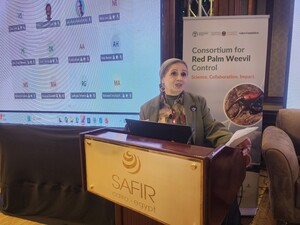
A photo of Dr. Naglaa Abdallah while giving a keynote speech at the GEd plenary session
“Many concerns around genome editing stem from poor communication rather than scientific evidence. When we communicate clearly and transparently, people better understand that genome editing is safe, regulated, and already in use across many countries.” –Prof. Naglaa Abdallah, NBNE Coordinator and Professor of Agriculture (Genetics Department) at Cairo University
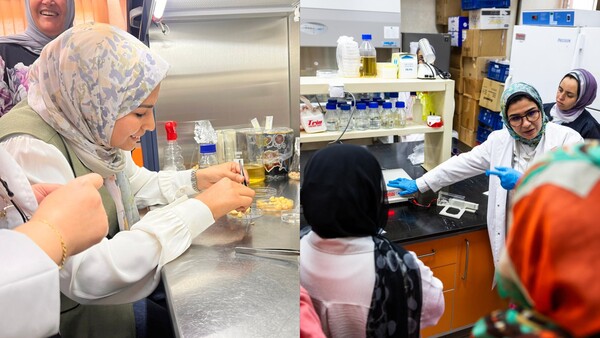
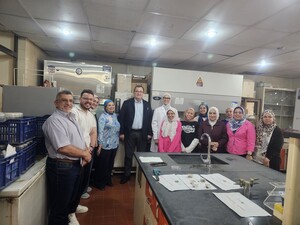
Following the plenary session, approximately 30 scientists and practitioners took part in hands‑on training hosted at AGERI. The program introduced key genome editing methods, including CRISPR‑based tools, and guided participants through practical laboratory applications. Trainers also addressed how researchers can explain their work more clearly to non‑specialist audiences, particularly when discussing safety, regulation, and expected benefits.
The training on biosafety and regulation further helped participants better understand how countries assess and oversee genome‑edited crops. Rather than focusing only on technical details, the discussions highlighted the value of transparency and consistency in regulatory communication.
A snapshot of the hands-on training
A photo of Dr. Leena Tripathi while giving a lecture at the GEd training
“For countries to fully benefit from genome editing, innovation must move in step with regulatory clarity and capacity building for scientists, policymakers, and the public.” –Dr. Leena Tripathi, Director of Eastern Africa Hub and Leader of the Biotechnology Program at the International Institute of Tropical Agriculture (IITA)
Case studies on strategic crops such as wheat and maize showed how genome editing can contribute to improved productivity and resilience in the face of climate pressures. Lecturers linked these examples to practical communication strategies, underlining the importance of explaining both the potential and the limits of the technology.
A photo of Dr. Michael Baum at the GEd hands-on training
“Genome editing allows faster and more precise crop improvement, but impact depends on scaling solutions, aligning them with national priorities, and strengthening communication to build trust among stakeholders.” – Dr. Michael Baum, ICARDA Senior Scientific Advisor.
The training workshop further highlighted that currently, none of the countries in the Central and West Asia and North Africa (CWANA) region has a biosafety framework that allows gene‑edited products to be deployed in the field. However, Egypt stands out as a country with the potential to act as a catalyst for the region by developing and implementing a national biosafety framework.
“Complex agricultural challenges such as the Red Palm Weevil cannot be solved through isolated interventions. They require integrated approaches where detection, data‑driven monitoring, good field practices, and strong policies work together across countries to prevent losses before they occur.” – Dr. Mojeeb Stanikzai, ICARDA Project Manager – C4RPWC
The workshop’s cross‑sectoral format fostered knowledge exchange among researchers, policymakers, media, and farmers, highlighting communication as a vital link between research, regulation, and practice.
ICARDA and its national partners affirmed that science‑based dialogue and transparency are essential to translating genome‑editing innovation into sustainable, real agricultural impact.